Categorias
Site Crazy4Pets

7 Proven Dog Training Tips That Actually Work — From Beginners to Experts

7 Proven Dog Training Tips That Actually Work — From Beginners to Experts

Illustrating common dog training commands for effective sessions.

Picture this: Your energetic pup pulls on the leash during walks, ignores your calls at the park, or jumps on guests with unbridled enthusiasm. Frustrating, right? Yet, did you know that 94% of dog-owning households engage in at least some form of training, but only 8% seek professional obedience classes? This gap often leads to behavioral issues that strain the bond between you and your furry companion. As a pet owner, you crave a well-behaved dog who listens, stays safe, and brings joy to every moment—without endless yelling or confusion.

Enter this guide: We’ve distilled seven proven dog training tips backed by veterinary experts and real-world success stories, suitable for beginners tackling puppy basics or seasoned owners refining advanced skills. Drawing from sources like the American Kennel Club and veterinary insights, these strategies emphasize positive methods that boost effectiveness—studies show positive reinforcement is used by 99.7% of owners and leads to happier, more responsive dogs. You’ll discover how to build trust, avoid common pitfalls, and see results fast. Whether your dog is a rambunctious retriever or a shy senior, these tips will transform chaotic moments into harmonious ones. Imagine fewer vet visits for stress-related issues and more tail-wagging adventures. Ready to unlock your dog’s potential? Let’s jump in and make training a rewarding journey for both of you.

Why Mastering Dog Training Is Essential for Pet Owners

Dog training isn’t just about commands—it’s the key to a safer, happier life for your pet. Poorly trained dogs face higher risks of accidents, like running into traffic, while well-trained ones enjoy more freedom and stronger bonds with their families. Vets report that consistent training reduces behavioral problems, which affect up to 60% of dogs whose owners seek informal advice instead of pros.

For beginners, starting early prevents habits from forming; for experts, it refines skills like impulse control. The good news? Science-backed methods, like positive reinforcement, prove more effective than aversive techniques, leading to faster learning and less stress.

Tip 1: Start with Positive Reinforcement for Lasting Results

The do’s and don’ts of effective dog training methods.

Positive reinforcement tops the list of dog tips because it rewards good behavior, making your pup eager to repeat it. Unlike punishment, which can cause fear, this method builds confidence—vets recommend it for its success in minimizing anxiety.

How to Apply This Dog Training Technique

  • Choose Rewards Wisely: Use treats, praise, or toys your dog loves. For example, a high-value treat like a small piece of chicken for sitting on command.
  • Time It Right: Reward immediately after the behavior to create clear associations.
  • Fade Rewards Gradually: Once mastered, switch to intermittent praise to maintain the habit.

New to this? Our free positive reinforcement cheat sheet can guide you—download it now for quick wins.

Tip 2: Keep Training Sessions Short and Sweet

Long sessions lead to frustration for both you and your dog—one of the top mistakes owners make. Experts advise 5-10 minute bursts, especially for beginners, to keep focus high and prevent burnout.

Practical Steps for Effective Short Sessions

  • Schedule Daily: Train before meals when your dog is motivated by hunger.
  • End on a High Note: Finish with success to build positive associations.
  • Mix It Up: Alternate commands to keep things engaging.

This approach mirrors how pros train, leading to better retention. If you’re struggling with timing, sign up for our mini-webinar on session planning—it’s a game-changer for busy pet owners.

Tip 3: Ensure Consistency in Commands and Rules

Inconsistency confuses dogs, slowing progress—it’s a common pitfall that frustrates many trainers. Use the same words and gestures every time, involving the whole family for unified results.

Building Consistency in Your Dog Tips Routine

  • Standardize Commands: Stick to “sit” instead of alternating with “down boy.”
  • Enforce Rules Everywhere: No jumping on the couch at home means no jumping anywhere.
  • Track Progress: Use a journal to note improvements and adjust as needed.

Consistency boosts effectiveness by 74.2% in studies using mixed methods. For family-wide tips, grab our household training playbook—free with newsletter signup.

Tip 4: Socialize Your Dog Early and Often

Socialization prevents fear-based behaviors, a must for all levels. Expose your pup to new people, animals, and environments gradually to build resilience.

Safe Socialization Strategies

  • Start Small: Introduce one new experience per session, like a short park visit.
  • Use Rewards: Pair encounters with treats for positive vibes.
  • Monitor Body Language: Watch for stress signs and retreat if needed.

Tip 5: Teach Impulse Control for Real-World Success

Hand signals and commands in dog training.

Impulse control, like “leave it,” helps dogs ignore distractions—vital for safety. Experts use this for everything from food refusal to calm greetings.

Exercises to Build Control

  • Leave It Command: Place a treat on the floor; reward when ignored.
  • Wait at Doors: Teach pausing before exiting to prevent bolting.
  • Practice in Distractions: Gradually add challenges like other dogs.

Tip 6: Incorporate Play into Training for Fun

Turn training into games to keep your dog engaged—play-based methods make learning enjoyable. For experts, this refines skills; for beginners, it eases the process.

Fun Integration Ideas

  • Fetch with Commands: Incorporate “sit” before throwing.
  • Hide and Seek: Hide treats to practice recall.
  • Toy Rewards: Use playtime as a motivator for obedience.

Tip 7: Avoid Punishment and Focus on Redirection

Punishment can backfire, increasing fear—opt for redirection instead. Guide your dog to better choices for positive outcomes.

Redirection Techniques

  • Interrupt and Redirect: If chewing furniture, offer a toy instead.
  • Ignore Bad Behavior: Withhold attention for jumping.
  • Reward Alternatives: Praise the right action immediately.

Common Dog Training Mistakes and How to Dodge Them

Even pros slip up—top errors include long sessions, slow rewards, and punishing good tries. Avoid by planning ahead and staying patient.

  • Too Much at Once: Break skills into steps.
  • Inconsistent Timing: Reward within seconds.
  • Overlooking Health: Rule out medical issues first.

Sidestepping these can double your success rate.

The Lifelong Benefits of These Proven Dog Tips

Mastering dog training leads to fewer behavioral vet visits, stronger bonds, and a more enriched life. Owners using these methods report improved well-being—your dog could be next.

Conclusion: Start Implementing These Dog Training Tips Today

You’ve got seven powerhouse dog training tips to elevate your pet’s behavior, from positive vibes to impulse mastery. These aren’t just theories—they’re proven by experts and backed by data, ready for you to apply whether you’re a newbie or pro.

Don’t let another chaotic walk pass by. Begin with one tip today, track the changes, and watch your bond strengthen. For personalized support, download our ultimate dog training e-book—packed with templates and bonuses. It’s free and could be the key to your dog’s best life. Act now; your pup is waiting!


 
Categorias
Site Crazy4Pets

Dog Nutrition 101: The Best Healthy Foods and Diet Tips for a Longer, Happier Life

Dog Nutrition 101: The Best Healthy Foods and Diet Tips for a Longer, Happier Life

Imagine your furry best friend bounding with energy, sporting a shiny coat, and enjoying a life free from unnecessary health woes. Yet, did you know that up to 59% of dogs in the U.S. are overweight or obese, often due to poor dietary choices that lead to issues like joint problems, diabetes, and shortened lifespans? As a devoted pet owner, you want the best for your dog, but navigating the world of dog nutrition can feel overwhelming. With shelves stocked full of kibble, canned options, and trendy raw diets, how do you ensure your pup gets the right balance of nutrients for optimal health?

That’s where this guide comes in. We’ll break down the essentials of healthy food for dogs, share vet-recommended diet tips, and help you craft a pet diet that promotes longevity and happiness. Drawing from expert insights and real-world stats, you’ll learn how proper nutrition strengthens your dog’s immune system, supports healthy weight, and even boosts their mood. By the end, you’ll have actionable steps to upgrade your dog’s meals—potentially adding years to their life. Whether you’re dealing with a picky eater or a senior pooch, these strategies are tailored for everyday pet owners like you. Ready to transform your dog’s diet? Let’s dive in and make mealtime a pathway to vitality.

Understanding the Basics of Dog Nutrition

Dog nutrition isn’t just about filling a bowl—it’s the foundation of your pet’s overall well-being. A balanced diet for pets mirrors human needs but with canine-specific tweaks. At its core, dogs require six key nutrients: proteins, fats, carbohydrates, vitamins, minerals, and water. Proteins build muscle and repair tissues, while fats provide energy and support skin health. Carbs offer quick fuel, and the rest keep everything running smoothly.

Why does this matter? Poor nutrition can lead to dull coats, lethargy, or worse—chronic conditions. For instance, studies show that dogs on kibble-based diets often score higher in health metrics compared to those on unbalanced homemade meals. As a pet owner, starting with AAFCO-approved commercial foods ensures completeness, but customizing based on your dog’s age, breed, and activity level takes it further.

Key Nutrients Every Dog Needs

  • Proteins: Aim for high-quality sources like chicken or fish to support growth and immunity.
  • Fats: Omega-3s from salmon help reduce inflammation and promote a glossy coat.
  • Carbs and Fiber: Whole grains or veggies aid digestion and prevent obesity.
  • Vitamins and Minerals: These combat deficiencies; for example, calcium strengthens bones.

Top Healthy Foods for Dogs Recommended by Vets

When it comes to healthy food for dogs, vets emphasize whole, unprocessed options that mimic natural diets. Forget the fillers; focus on nutrient-dense choices that fuel your pet’s adventures. Salmon, for example, is a superstar for its omega-3 fatty acids, which support heart health and reduce joint pain in older dogs.

Vets often recommend brands like Hill’s Science Diet, Purina Pro Plan, and Royal Canin for their balanced formulas. But incorporating fresh foods can elevate any meal plan. Think of it as adding superfoods to your own plate—simple swaps that yield big rewards.

Vet-Approved Healthy Foods List

Here are some top picks, backed by veterinary consensus:

  • Lean Meats: Chicken, turkey, and beef provide essential proteins without excess fat. Cook them plain to avoid seasonings that could harm your dog.
  • Fish: Salmon and sardines offer omega-3s for brain health and shiny fur. A study linked these to better cognitive function in aging pets.
  • Vegetables: Carrots, green beans, and sweet potatoes deliver vitamins and fiber for digestive health. They’re low-calorie treats that help with weight management.
  • Fruits: Blueberries and apples (seeds removed) are antioxidant-rich, fighting free radicals and supporting immunity.
  • Eggs: A complete protein source, great for muscle maintenance—vets suggest one or two per week for variety.

Creating a Balanced Diet for Your Pet

Crafting a diet for pets doesn’t require a culinary degree—it’s about consistency and balance. Vets advise dividing meals into two or three portions daily to maintain steady energy levels. For an average adult dog, aim for 2-3% of their body weight in food, adjusted for activity.

Home-prepared diets can be rewarding but risky if not formulated properly. Research shows they often lack essential nutrients like calcium, leading to bone issues. Stick to vet-approved recipes or supplement commercial foods.

Step-by-Step Diet Tips

  1. Assess Needs: Factor in age—puppies need more calories, seniors less.
  2. Choose Quality: Opt for foods with real meat as the first ingredient.
  3. Monitor Weight: Regular weigh-ins prevent obesity, which affects 1 in 3 dogs.
  4. Hydrate: Always provide fresh water; it aids nutrient absorption.
  5. Transition Slowly: When switching foods, mix old and new over 7-10 days to avoid tummy upset.

Common Mistakes in Dog Diets and How to Avoid Them

Even well-intentioned pet owners slip up on dog nutrition. One big error? Overfeeding treats, which can pack on pounds and lead to health woes like diabetes. Another is relying on a single protein source, risking nutritional gaps.

Inconsistent feeding times disrupt metabolism, while ignoring expiration dates invites spoilage. And beware of meat-heavy diets—they strain kidneys over time.

Tips to Dodge These Pitfalls

  • Measure Portions: Use a cup or scale; eyeballing leads to overfeeding.
  • Limit Treats: Keep them under 10% of daily calories—opt for veggies instead.
  • Rotate Proteins: Mix chicken, fish, and beef for balanced amino acids.
  • Check Labels: Ensure AAFCO compliance and fresh dates.
  • Avoid Human Foods: No chocolate, grapes, or onions—they’re toxic.

The Benefits of Proper Nutrition for Dogs

The payoff of stellar dog nutrition? A happier, healthier companion. Proper diets enhance immune function, with vitamins warding off illnesses. Fiber promotes gut health, potentially easing weight control. In fact, balanced nutrition correlates with fewer vet visits and longer lives—dogs on optimal diets show better metabolic health.

Prova social abounds: Pet owners report shinier coats and more playfulness after diet tweaks. It’s not just science; it’s the joy of seeing your dog thrive.

Conclusion: Elevate Your Dog’s Life Today

You’ve now got the tools to master dog nutrition, from selecting healthy foods for dogs to sidestepping diet pitfalls. Implementing these tips isn’t just about meals—it’s an investment in your pet’s longevity and happiness. Remember, small changes like adding omega-rich fish or measuring portions can yield massive results.

Don’t wait for health issues to arise. Take action now: Assess your dog’s current diet, incorporate these recommendations, and watch the transformation. For tailored guidance, download our comprehensive e-book on pet diets—it’s your free ticket to expert insights. Your dog deserves the best; start today and give them the vibrant life they crave.

Categorias
Post PH Women

Hormones: How Female Hormonal Balance Affects Libido, Skin, and Sexual Well-Being

Ever feel like your body is sending mixed signals—one day your skin glows, the next it’s breaking out, while your energy for intimacy ebbs and flows without warning? It’s not just you. In 2025, a staggering 58% of women report only moderate or lower knowledge about their hormonal health, yet hormones like estrogen, progesterone, and testosterone orchestrate everything from your libido and skin radiance to your overall sexual well-being. Consider this: 54% of women aged 35-54 experiencing menopause symptoms say it impacts their sex life or relationships, with 46% noting reduced libido. These aren’t isolated issues; they’re interconnected threads in the tapestry of female hormonal balance.

But here’s the empowering part: Understanding how hormones influence these areas can unlock a path to vitality and confidence. In this empathetic guide, we’ll explore the science behind hormonal fluctuations, backed by the latest 2025 data and real-women stories. You’ll learn to spot imbalances early, discover natural ways to restore harmony, and gain tips tailored for life stages like menstruation, pregnancy, and menopause. Whether you’re battling acne flares, low desire, or just seeking better well-being, this article delivers clear, actionable insights. Ready to take control? Start with our free Hormonal Balance Quiz—download it now to pinpoint your unique needs and kickstart your journey to glowing skin, sparked libido, and fulfilling intimacy.

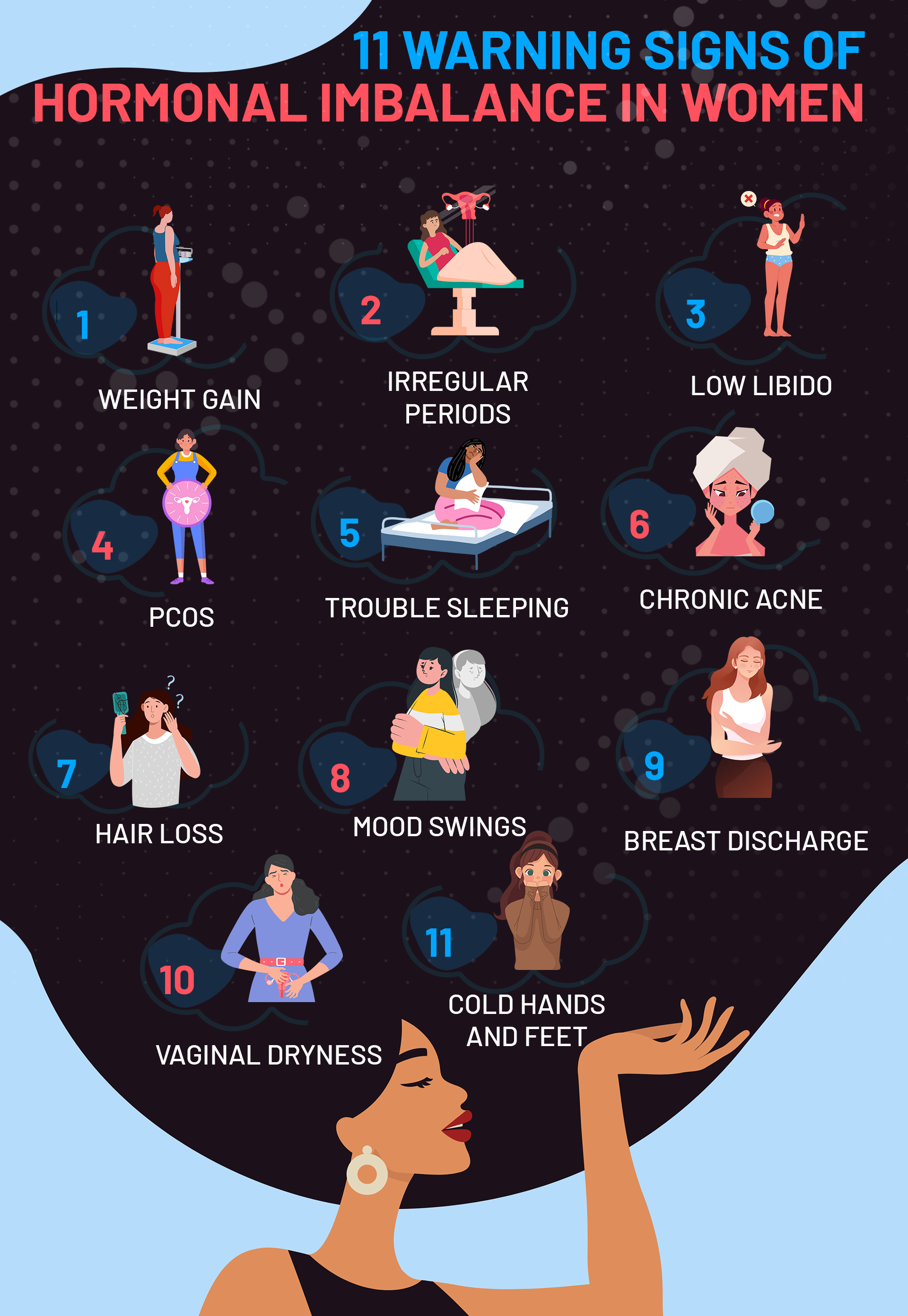
Infographic highlighting signs of hormonal imbalance in women, including effects on libido and skin.

What Is Female Hormonal Balance and Why Does It Matter?

Female hormonal balance refers to the harmonious interplay of hormones like estrogen, progesterone, cortisol, and thyroid hormones that regulate your body’s functions. When aligned, they support vibrant health; when disrupted, they can ripple into every aspect of life.

The Widespread Impact on Women’s Lives

Did you know 66% of women have never tested their hormones? This gap contributes to undiagnosed issues, with over half facing delays of six months or more in conditions like PCOS. Hormonal imbalances affect mood, energy, and intimacy, leading to an estimated $196 billion in annual productivity losses.

Real talk: Many women, like those in recent surveys, feel dismissed—21% report healthcare providers brushing off concerns. But awareness is changing. If you’re noticing shifts, our free quiz can help you assess and discuss with confidence.

How Hormones Influence Libido in Women

Your libido, or sexual desire, is deeply tied to hormonal ebbs and flows. Estrogen and testosterone fuel arousal, while imbalances can dim the spark.

Key Hormonal Players in Desire

  • Estrogen: Peaks during ovulation, boosting libido; drops in menopause can reduce it by up to 46% in affected women.
  • Progesterone: Low levels (seen in 22% of cycles) may contribute to fatigue, indirectly lowering desire.
  • Testosterone: Even small dips affect motivation for intimacy.

In 2025 reports, 54% link menopause to sex life changes. Example: Women discontinuing hormonal contraception often see desire rise as cycles resume.

Visual on how stress and hormones impact female sexual health and well-being.

The Connection Between Hormones and Skin Health

Hormones act like conductors for your skin’s orchestra, influencing oil production, elasticity, and glow. Fluctuations can lead to acne, dryness, or pigmentation.

Hormonal Effects Across Life Stages

  • Menstrual Cycle: 42% of premenopausal women note increased sensitivity; progesterone spikes cause oilier skin and breakouts.
  • Pregnancy: Elevated estrogen creates a “glow,” but melanin surges lead to melasma in many.
  • Menopause: Estrogen decline causes 30% collagen loss in the first five years, resulting in drier, thinner skin.

A global study of 17,009 women shows menstrual irregularity heightens risks for skin disorders. Real example: Many perimenopausal women combat unexpected acne from shifts.

Hormones and Their Role in Sexual Well-Being

Sexual well-being encompasses pleasure, comfort, and connection— all modulated by hormones. Estrogen supports lubrication and arousal, while imbalances disrupt harmony.

Common Hormonal Impacts on Intimacy

  • Vaginal Dryness: Affects 35% of menopausal women reporting sex life changes.
  • Mood and Desire: 70% experience mood effects from menopause, indirectly hitting well-being.
  • Overall Function: Hormonal contraception can alter desire in a minority.

Studies show estrogen therapies boost desire in postmenopausal women. One woman’s story: Balancing thyroid hormones revived her intimacy after years of struggle.

Common Causes of Hormonal Imbalance Affecting Libido, Skin, and Well-Being

Imbalances stem from various sources, often compounding effects on libido, skin, and sexual health.

Lifestyle and Environmental Triggers

  • Stress elevates cortisol, disrupting estrogen and leading to skin issues or low libido.
  • Diet lacking nutrients affects progesterone, with 22% of cycles showing lows.
  • Medications like birth control influence 49% of women with some sexual dysfunction.

Life Stages and Conditions

Puberty, pregnancy, and menopause naturally shift hormones, while PCOS (with high LH in 13% of cycles) amplifies problems.

Signs of Hormonal Imbalance to Watch For

Be vigilant—these symptoms often overlap.

  • Libido Changes: Reduced desire or arousal.
  • Skin Issues: Acne, dryness, or pigmentation.
  • Sexual Discomfort: Dryness or pain.
  • General Well-Being: Fatigue, mood swings (70% in menopause).

68% ignore severe symptoms—don’t be one. Our quiz spots patterns fast.

Infographic on balancing health during menopause, touching on hormonal effects.

Practical Tips to Restore Hormonal Balance

Reclaim control with these evidence-based strategies.

Diet and Lifestyle Adjustments

  • Eat omega-3s and fiber to support progesterone.
  • Exercise regularly to balance cortisol and boost libido.
  • Prioritize sleep—disruptions worsen skin and desire.

Supplements and Therapies

Consider maca or estrogen therapies, shown to enhance desire. For skin, hyaluronic acid helps counter menopause dryness.

When to Seek Help for Hormonal Concerns

If symptoms persist, consult a pro. 32% delay due to costs, but early action prevents escalation. Prep with our Doctor Discussion Guide—free download.

Conclusion: Empower Your Hormonal Health Today

Hormones weave through your libido, skin, and sexual well-being, with 2025 data showing 54% facing intimacy impacts from imbalances and 42% noting skin sensitivity. But knowledge is power—spot causes, embrace tips, and thrive.