
Categorias
Site SmartHack

Why 95% of People Fail Trying to Make Money Online (And What No One Tells You)

Why 95% of People Fail Trying to Make Money Online (And What No One Tells You)

In the vast world of online income opportunities, countless individuals dream of financial freedom through ventures like affiliate marketing. Yet, statistics show that a staggering 95% of aspiring online entrepreneurs never achieve sustainable success. Why is this the case? As a seasoned expert in affiliate marketing and copywriting, I’ve seen the pitfalls firsthand—and more importantly, the hidden truths that separate the winners from the quitters. In this article, we’ll dive deep into the common reasons people fail at making money online, uncover the unspoken challenges, and explore practical solutions to overcome them. Whether you’re a beginner exploring ways to earn passive income or someone frustrated with past attempts, understanding these insights could be the game-changer you need.

The Harsh Reality of Online Income Dreams

Making money online sounds appealing: work from home, set your own hours, and scale your efforts into a thriving business. Popular methods like affiliate marketing—where you promote products and earn commissions—promise quick wins. However, the reality is far more nuanced. Many jump in without realizing the competitive landscape, leading to burnout and disappointment.

One major pain point is the overwhelming competition in affiliate marketing. With millions of people vying for attention on platforms like social media, it’s easy to get lost in the noise. Newbies often struggle to stand out, wasting time and money on ineffective strategies. Add to that the challenge of driving targeted traffic, such as through Facebook ads, and the barriers multiply. Without a solid plan, your campaigns can drain your budget faster than they generate leads.

Another hidden objection is the inconsistent quality of affiliate products. Not all offers are created equal—some are high-value gems, while others are low-quality duds that can tarnish your reputation. Promoting subpar products erodes trust with your audience, making it harder to build a loyal following. This is especially true on marketplaces where product variety is vast but vetting is up to you.

Finally, the myth of “easy money” overlooks the immense effort required. Success in online business demands consistent action, from crafting compelling copy to analyzing ad performance. Many fail because they underestimate the learning curve, treating it like a get-rich-quick scheme rather than a skill-based endeavor.

Common Mistakes That Lead to Failure in Affiliate Marketing

Let’s break down the specific errors that contribute to that 95% failure rate, focusing on real-world scenarios in making money online.

1. Lack of a Structured Blueprint for Beginners

Most people start without a clear roadmap. They scatter their efforts across random tactics—posting links haphazardly or running unoptimized ads—leading to zero results. In affiliate marketing for beginners, this is a recipe for disaster. Without step-by-step guidance, you’re essentially gambling with your time and resources.

Solution: Adopt a beginner-friendly blueprint that outlines proven strategies. Focus on niche selection, audience targeting, and scalable systems. For instance, learning to use Facebook ads effectively can drive qualified traffic to your offers. Tools like pre-built landing page templates simplify the process, allowing you to launch campaigns quickly without starting from scratch. By following a structured approach, you can replicate successful models and avoid common pitfalls.

2. Ignoring the Power of Targeted Traffic Sources

Relying on organic reach alone won’t cut it in today’s saturated market. Many fail because they don’t master paid traffic methods, such as Facebook ads for affiliates, which can yield high ROI when done right.

Solution: Invest time in learning advanced ad techniques, like audience interest profiling (AIP methods), to reach people genuinely interested in your promotions. This reduces ad spend waste and boosts conversion rates. Combine this with high-converting copywriting—craft headlines that grab attention and body text that addresses pain points—to turn clicks into commissions.

3. Overlooking Product Quality and Audience Trust

Promoting anything for a quick buck is a short-term game. Poor product choices lead to refunds, negative reviews, and lost credibility, especially on platforms like ClickBank where options abound.

Solution: Prioritize thorough research. Vet products for quality, user reviews, and alignment with your audience’s needs. Build trust through authentic content marketing—share value-first content that solves problems before pitching. This not only improves sales but also fosters a supportive community around your brand, where like-minded individuals exchange tips and motivation.

4. Underestimating the Need for Consistent Effort and Adaptation

The biggest objection? Thinking success happens overnight. Affiliate marketing requires dedication: testing ads, refining copy, and adapting to algorithm changes.

Solution: Treat it as a business, not a hobby. Set daily goals for content creation, ad monitoring, and skill-building. Embrace a growth mindset—learn from failures and iterate. Affordable training resources can accelerate this, offering money-back guarantees to minimize risk. Plus, joining online communities provides accountability and insights, helping you stay motivated through the ups and downs.

How to Beat the Odds and Start Earning Online

Overcoming these challenges isn’t about luck; it’s about strategy. By addressing the pains head-on, you can position yourself in the top 5% who succeed. Start with education: seek out accessible, plug-and-play systems that demystify the process. Focus on evergreen skills like copywriting for affiliates, which turns ordinary promotions into persuasive narratives.

Remember, the key to making money online lies in value creation. Solve real problems for your audience, and the commissions will follow. Whether you’re promoting digital products or services, consistency and quality are your allies.

Ready to Join the 5% Who Succeed?

Claim Your Step-by-Step Blueprint for Making Money Online
Categorias
Site SmartHack

How to turn your hobby into extra income with artisanal carpentry projects

How to Turn Your Hobby into Extra Income with Handcrafted Woodworking Projects

Handcrafted woodworking is more than just a hobby—it’s a pathway to turning your passion for working with wood into a profitable side hustle. Whether you’re a beginner or an experienced woodworker, creating unique and functional projects can attract customers and open doors to a thriving business. However, many enthusiasts face challenges, such as finding high-quality plans, navigating overwhelming options, or questioning the legitimacy of available resources. In this article, we’ll explore how to overcome these pain points, select the best materials and plans, and transform your hobby into a sustainable source of income with practical, SEO-optimized tips.

Why Handcrafted Woodworking is a Lucrative Opportunity

Handcrafted woodworking is booming. Handmade furniture and decor items are highly valued for their uniqueness and quality. According to global craft market trends, the demand for personalized, artisanal products grows annually, with consumers willing to pay a premium for one-of-a-kind pieces. This creates a golden opportunity for woodworkers looking to sell everything from small decor items to large furniture pieces like tables and cabinets.

Turning your woodworking hobby into extra income offers several benefits:

  • Flexibility: Work at your own pace and choose projects that match your skill level.

  • Low Startup Costs: With basic tools and well-designed plans, you can start without significant investment.

  • Personal Fulfillment: Crafting something with your hands and earning recognition (and payment) for it is incredibly rewarding.

However, to turn your passion into profit, you’ll need to address some common challenges. Let’s dive into the main pain points for aspiring woodworkers and how to solve them.

Overcoming Common Woodworking Challenges

1. Finding High-Quality, Reliable Plans

One of the biggest hurdles for woodworkers is sourcing detailed and trustworthy woodworking plans. Many online resources offer thousands of projects, but the quality can vary widely. Some plans are poorly designed, with vague instructions or confusing diagrams, while others may seem outdated or questionably sourced.

Solution: Prioritize reputable sources when selecting woodworking plans. Look for platforms or collections that provide:

  • Clear, Step-by-Step Instructions: Plans with detailed guides, precise diagrams, and material lists save time and reduce errors.

  • Varied Projects: Choose resources that include projects for all skill levels, from beginners to advanced woodworkers.

  • Lifetime Access: Opt for collections that offer ongoing access, allowing you to explore new projects as your skills grow.

Before purchasing any plan package, check reviews from other woodworkers and seek recommendations on forums or online communities. This ensures you invest in legitimate, high-quality resources.

SEO Tip: Search for keywords like “reliable woodworking plans” or “woodworking projects for beginners” to find well-reviewed, optimized resources.

2. Managing Overwhelm from Too Many Options

With countless project options available, it’s easy to feel overwhelmed. Poorly organized collections can make it hard to choose the right project, especially for beginners still building confidence.

Solution: Start with simple, well-organized projects. For example:

  • Wooden Boxes: Perfect for beginners, requiring minimal tools and materials.

  • Floating Shelves: Easy to build and highly marketable.

  • Small Tables: Intermediate projects that appeal to customers seeking compact furniture.

Organize your workflow by categorizing projects by difficulty or type (e.g., decor, furniture, utilitarian). Use tools like spreadsheets or project management apps to track ideas and required materials.

3. Managing Expectations and Avoiding Pitfalls

Many beginner woodworkers fall into the trap of overhyped promises, such as collections boasting thousands of plans that often include low-quality or duplicated projects. There are also concerns about the legitimacy of some sources, with reports of plans that appear pirated or poorly scanned from outdated materials.

Solution: Do thorough research before investing in any resource. Here are some tips to avoid pitfalls:

  • Buy from Official Sources: Avoid third-party sites that may offer counterfeit or incomplete versions.

  • Read Independent Reviews: Check feedback on woodworking blogs, Reddit, or Facebook groups.

  • Test Smaller Projects: Before committing to complex builds, try a simple plan to assess the resource’s quality.

SEO Tip: Use keywords like “how to avoid woodworking plan scams” or “best woodworking plans online” to attract readers seeking reliable solutions.

4. Enhancing Skills with Supplementary Resources

Beyond plans, many woodworkers seek video tutorials or practical guides. However, some supplementary content can be low-quality or unhelpful.

Solution: Complement your plans with high-quality educational content. Subscribe to reputable YouTube channels run by experienced woodworkers, enroll in online courses, or join local woodworking communities. These resources help refine your techniques and create more professional projects.

How to Start Earning Money with Handcrafted Woodworking

Now that you know how to overcome key challenges, here’s how to turn your woodworking hobby into a revenue stream:

  1. Choose Marketable Projects: Focus on high-demand items like rustic furniture, decor pieces, or personalized products.

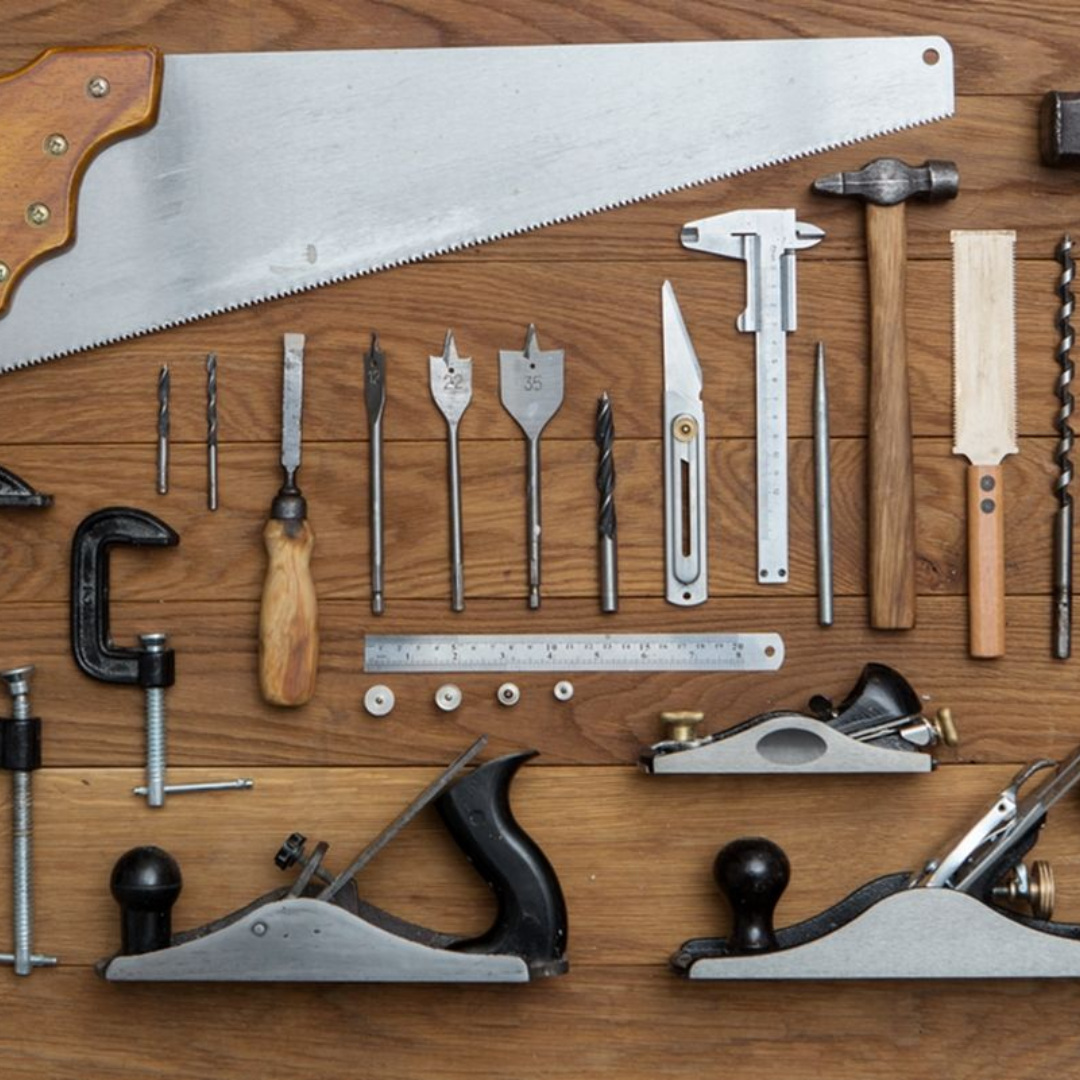
  2. Invest in Basic Tools: A starter set (saw, sander, drill) is enough to begin.

  3. Build a Portfolio: Photograph your finished projects and share them on social media or marketplaces like Etsy or eBay.

  4. Set Fair Prices: Factor in material costs, time spent, and perceived value to the customer.

  5. Promote Your Work: Use Instagram, Pinterest, and local groups to showcase your creations. Optimize posts with hashtags like #HandcraftedWoodworking, #CustomFurniture, and #RusticDecor.

Final Tips for Success

  • Practice Regularly: The more you practice, the faster you’ll build skills and confidence.

  • Connect with the Community: Join forums and groups to exchange ideas and learn from other woodworkers.

  • Invest in Quality: Choose high-quality materials and well-crafted plans to ensure durable, appealing products.

Turning your woodworking hobby into extra income is entirely achievable with the right planning. Overcome initial hurdles by selecting reliable resources, organizing your projects, and promoting your work strategically.

50 FREE Woodworking Plans

Get 50 Woodworking Plans & a 440-Page Guide Book Absolutely FREE!
Categorias
Site SmartHack

IS IT WORTH TO FIGH FOR RELATIONSHIP?

Unlocking the Secrets to Deeper Emotional Connections in Relationships

Are you struggling to understand why your partner seems distant or uncommitted? Do you feel like you’re missing the key to building a stronger, more meaningful relationship? You’re not alone. Many women face challenges in navigating the emotional complexities of their relationships, often feeling frustrated by a lack of connection or communication. The good news? By tapping into the core of male psychology, you can foster deeper intimacy, reignite passion, and create a lasting bond that makes your partner feel truly valued.

In this article, we’ll explore the fundamental emotional needs of men, actionable strategies to strengthen your relationship, and how to overcome common objections or skepticism about relationship advice. Whether you’re looking to rekindle a spark or build a stronger foundation, these insights will empower you to create a more fulfilling partnership.

Understanding the Core of Male Psychology

At the heart of every strong relationship lies a deep understanding of your partner’s emotional needs. Men, in particular, are driven by a powerful, often unspoken desire to feel needed, respected, and valued. This instinct—sometimes referred to as the drive to be a “hero”—is a biological and emotional force that shapes how men approach relationships. When this need is met, men are more likely to feel committed, engaged, and emotionally connected.

However, when this instinct is overlooked, men may become distant, withdrawn, or less invested in the relationship. If you’ve ever wondered why your partner seems to pull away despite your efforts, it may be because his core emotional needs aren’t being addressed. Understanding this drive is the first step toward building a relationship where both partners feel fulfilled.

Why Men Pull Away: Common Relationship Pain Points

Many women experience the frustration of a partner who seems emotionally unavailable or hesitant to commit. These pain points often stem from miscommunication or a lack of alignment with a man’s emotional triggers. Here are some common challenges women face:

  • Emotional Distance: Your partner may seem detached or uninterested, leaving you feeling disconnected or unappreciated.

  • Lack of Commitment: You might sense hesitation or reluctance to take the relationship to the next level.

  • Communication Struggles: Conversations may feel surface-level, making it hard to build the deep emotional intimacy you crave.

  • Feeling Undervalued: You may feel like your efforts to strengthen the relationship aren’t reciprocated, leading to frustration or self-doubt.

These challenges can feel overwhelming, but they don’t have to define your relationship. By learning how to communicate in ways that resonate with your partner’s core desires, you can bridge the gap and create a stronger, more committed bond.

Practical Strategies to Build a Deeper Connection

The key to unlocking a stronger relationship lies in actionable, practical strategies that align with male psychology. Here are some proven techniques to foster emotional intimacy and make your partner feel valued:

1. Speak to His Emotional Needs

Men thrive when they feel like they can make a meaningful impact in their partner’s life. Simple phrases and actions that show appreciation, respect, and reliance can go a long way. For example, acknowledging his efforts—whether big or small—can make him feel like the hero he instinctively wants to be.

Try phrases like:

  • “I really admire how you always know how to handle things.”

  • “I feel so safe and supported when you’re around.” These small, intentional signals can spark a deeper emotional connection and make your partner feel valued.

2. Create Opportunities for Him to Shine

Men are more likely to engage when they feel they can contribute meaningfully. Create moments where he can step up, whether it’s solving a problem, offering advice, or taking the lead in a shared activity. These opportunities reinforce his sense of purpose and strengthen your bond.

3. Foster Open, Authentic Communication

Instead of focusing solely on your needs, invite your partner to share his thoughts and feelings. Ask open-ended questions that encourage him to express himself, such as:

  • “What’s been the highlight of your week?”

  • “How can I support you with what’s on your mind?” This approach builds trust and helps him feel safe opening up, paving the way for deeper intimacy.

4. Be Mindful of His Emotional Triggers

Certain actions or words can unintentionally make a man feel unneeded or disrespected, triggering withdrawal. For example, criticism or dismissive behavior can undermine his sense of value. Instead, focus on positive reinforcement and constructive communication to keep the relationship thriving.

Addressing Common Objections to Relationship Advice

If you’re hesitant to try new approaches to your relationship, you’re not alone. Many women question whether relationship advice—especially advice centered on male psychology—is genuinely effective or just another overhyped promise. Let’s address some common objections and concerns:

Objection 1: “Is This Advice Just a Gimmick?”

It’s natural to be skeptical of bold claims about transforming your relationship. While some programs rely on flashy marketing, the best advice is rooted in practical, evidence-based insights into human behavior. By focusing on strategies that align with how men naturally think and feel, you can create real, lasting change without relying on gimmicks.

Objection 2: “Will This Work for My Unique Situation?”

Every relationship is different, but the core principles of male psychology apply universally. Whether you’re in a new relationship, a long-term partnership, or navigating a rough patch, these strategies can be tailored to your specific circumstances. The key is consistency and a willingness to adapt the advice to your partner’s personality.

Objection 3: “Can I Trust the Source of This Advice?”

With so much relationship content online, it can be hard to separate authentic insights from promotional hype. To ensure you’re getting valuable guidance, seek out resources from credible experts with a track record of helping couples. Look for comprehensive materials—such as ebooks, videos, or exercises—that provide actionable steps rather than vague promises.

Objection 4: “What If It Feels Manipulative?”

The goal of understanding male psychology isn’t to manipulate your partner but to communicate in ways that resonate with him. By meeting his emotional needs, you’re fostering a relationship built on mutual respect and understanding, not control.

Why This Approach Works

Unlike generic relationship advice, focusing on male psychology offers a targeted, actionable framework for creating lasting change. By addressing your partner’s core emotional needs, you can:

  • Reignite passion and commitment.

  • Build a stronger, more authentic connection.

  • Overcome communication barriers.

  • Create a relationship where both partners feel valued and fulfilled.

This approach isn’t about changing who you are or bending over backward to please your partner. Instead, it’s about understanding what makes him tick and using that knowledge to create a more harmonious, loving relationship.

How to Get Started

Ready to take the next step toward a stronger relationship? Start by exploring resources that offer practical, psychology-based insights into building emotional intimacy. Look for comprehensive guides that include:

  • Detailed explanations of male emotional needs.

  • Step-by-step strategies and phrases to foster connection.

  • Exercises and tools to help you implement the advice in your daily life.

By investing in your relationship and approaching it with intention, you can unlock a deeper, more fulfilling connection with your partner.

Transform Your Relationship Today

Don't let frustration or disconnection hold your relationship back. By understanding the emotional drivers behind your partner's behavior, you can create a bond that’s stronger, more passionate, and built to last. Explore proven strategies to ignite your partner's commitment and take your relationship to the next level.