Categorias
Site 4NextTravel

#DISCOVERABUDHABI

Discover Abu Dhabi: From the Grand Mosque to the Oases

Abu Dhabi, the capital of the United Arab Emirates, is a city that seamlessly blends traditional and modern attractions. From the majestic Grand Mosque to the serene oases, Abu Dhabi offers a diverse range of experiences for visitors.

The city’s rich cultural heritage is evident in its stunning architecture, world-class museums, and vibrant cultural events. As a hub for Abu Dhabi tourism, the city welcomes millions of visitors each year, eager to explore its unique blend of tradition and innovation.

abu dhabi

Key Takeaways

  • Explore the majestic Grand Mosque, one of the world’s largest mosques.
  • Discover the natural beauty of Abu Dhabi’s oases.
  • Experience the city’s rich cultural heritage through its museums and events.
  • Enjoy world-class shopping and dining options.
  • Visit the Yas Marina Circuit for an adrenaline-packed experience.

The Essence of Abu Dhabi: Past and Present

From its humble beginnings as a fishing village to its current status as a global metropolis, Abu Dhabi’s journey is fascinating. The city’s transformation over the years is a testament to its resilience and adaptability.

Abu Dhabi history

A Brief History of the Emirates

The United Arab Emirates, including Abu Dhabi, has a rich and diverse history that dates back to ancient times. The region was initially inhabited by nomadic tribes, with the area’s strategic location making it an important hub for trade and commerce. Abu Dhabi’s early history was marked by its reliance on pearl diving and fishing, activities that sustained the local population for generations.

The discovery of oil in the 20th century marked a significant turning point in Abu Dhabi’s history, propelling the city into a period of rapid modernization and development. This transformation was characterized by significant investments in infrastructure, education, and healthcare, laying the foundation for the cosmopolitan city it is today.

From Fishing Village to Global Metropolis

Abu Dhabi’s evolution from a small fishing village to a global metropolis is a remarkable story of growth and development. The city’s strategic location on the Persian Gulf made it an attractive location for trade and commerce, even in its early days. As the city grew, so did its ambitions, with significant investments in infrastructure and tourism.

Today, Abu Dhabi is a thriving metropolis, known for its iconic landmarks such as the Sheikh Zayed Grand Mosque and its commitment to preserving cultural heritage while embracing modernity. The city’s ability to balance tradition with innovation has made it a hub for international business and tourism, solidifying its position as a global metropolis.

Sheikh Zayed Grand Mosque: An Architectural Marvel

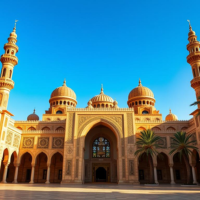
Abu Dhabi’s Sheikh Zayed Grand Mosque is a masterpiece of modern Islamic architecture. This iconic landmark is a testament to the city’s rich cultural heritage and its ability to blend tradition with modernity.

The Vision Behind the Grand Mosque

The Sheikh Zayed Grand Mosque was built under the leadership of the late Sheikh Zayed bin Sultan Al Nahyan, who envisioned a mosque that would embody the values of tolerance, inclusivity, and beauty. The mosque’s design is inspired by Islamic architectural styles from around the world, including the Badshahi Mosque in Pakistan and the Sultan Ahmed Mosque in Turkey.

Artistic Elements and Design Features

The mosque is renowned for its stunning architectural features, including its minarets, domes, and intricate decorative elements. The blend of traditional and modern design elements creates a unique and breathtakingly beautiful structure.

The 82 Domes and Chandeliers

The mosque boasts 82 domes of varying sizes, which are adorned with intricate glasswork and floral designs. The main chandelier, made of gold and precious stones, is a highlight of the mosque’s interior.

The World’s Largest Hand-Knotted Carpet

The mosque’s prayer hall is covered by the world’s largest hand-knotted carpet, a masterpiece of Iranian craftsmanship. The carpet spans over 5,600 square meters and features intricate designs and patterns.

Sheikh Zayed Grand Mosque architectural details

Visitor Information and Etiquette

Visitors to the Sheikh Zayed Grand Mosque are required to dress modestly, covering their shoulders and knees. Guided tours are available, providing insight into the mosque’s history, architecture, and cultural significance.

Visitor GuidelinesDescription
Dress CodeModest clothing covering shoulders and knees
Guided ToursAvailable in multiple languages
Opening Hours7:00 AM to 10:00 PM (Saturdays to Thursdays)

The Cultural Heart of Abu Dhabi

Abu Dhabi’s cultural scene is a vibrant mix of traditional heritage and modern cultural expressions. The city’s historical sites and contemporary museums offer a glimpse into its rich cultural identity.

Qasr Al Hosn: The Oldest Building in Abu Dhabi

Qasr Al Hosn, also known as the White Fort, is the oldest building in Abu Dhabi, dating back to the 18th century. It has served various purposes, including a residence for the ruling family and a government office. Today, it stands as a testament to the city’s history and architectural heritage. Visitors can explore the fort and learn about its significance in Abu Dhabi’s past.

Louvre Abu Dhabi: Where East Meets West

The Louvre Abu Dhabi is a modern cultural icon that represents a fusion of Eastern and Western artistic traditions. Designed by architect Jean Nouvel, the museum’s striking dome is an engineering marvel.

The Architectural Wonder of the “Rain of Light”

The Louvre Abu Dhabi’s design features a “rain of light” effect, where the dome’s intricate pattern creates a sense of sunlight filtering through. This architectural innovation enhances the visitor experience.

Notable Collections and Exhibitions

The Louvre Abu Dhabi houses an impressive collection of artworks from around the world, including pieces by famous artists such as Leonardo da Vinci and Vincent van Gogh. The museum regularly hosts exhibitions that showcase global cultural heritage.

Cultural InstitutionSignificanceNotable Features
Qasr Al HosnOldest building in Abu DhabiHistoric fort, architectural heritage
Louvre Abu DhabiModern cultural icon“Rain of Light” effect, global art collections
Heritage VillageCultural preservationTraditional Emirati culture, historical artifacts

Heritage Village and Cultural Foundation

The Heritage Village and Cultural Foundation in Abu Dhabi play a crucial role in preserving and promoting the city’s cultural heritage. The village showcases traditional Emirati life and offers insights into the country’s history and customs.

Natural Wonders of Abu Dhabi

Exploring Abu Dhabi’s natural wonders reveals the emirate’s commitment to preserving its diverse and breathtaking environments. From lush oases to vast desert landscapes, Abu Dhabi is home to a variety of ecosystems that support a wide range of flora and fauna.

Al Ain Oasis: UNESCO World Heritage Site

The Al Ain Oasis is a serene and historic site, recognized by UNESCO for its cultural and agricultural significance. This lush oasis, sustained by a sophisticated irrigation system, is a testament to the ingenuity of the region’s ancient inhabitants.

Mangrove National Park

Mangrove National Park, located on the outskirts of Abu Dhabi, is a vital ecosystem that provides a habitat for numerous marine species. The park’s mangrove forests are not only a natural barrier against coastal erosion but also a crucial breeding ground for fish and other marine life.

Desert Landscapes and Wildlife

Abu Dhabi’s desert landscapes, including the vast expanse of the Empty Quarter, are home to a surprising variety of wildlife adapted to the harsh desert conditions. The desert’s unique biodiversity is a fascinating aspect of the emirate’s natural heritage.

The Empty Quarter (Rub’ al Khali)

The Empty Quarter, one of the largest sand deserts in the world, is a vast and awe-inspiring landscape. Its dunes, stretching as far as the eye can see, are a popular destination for adventure seekers and those looking to experience the raw beauty of nature.

Conservation Efforts and Protected Species

Abu Dhabi has implemented various conservation efforts to protect its natural wonders and the species that inhabit them. Initiatives include habitat restoration, wildlife protection programs, and the establishment of protected areas to safeguard the emirate’s biodiversity.

Natural WonderDescriptionConservation Status
Al Ain OasisLush agricultural area with ancient irrigation systemUNESCO World Heritage Site
Mangrove National ParkVital marine ecosystem and breeding groundProtected Area
The Empty QuarterVast sand desert with unique biodiversityConservation Efforts Ongoing

Exploring Abu Dhabi’s Modern Attractions

Modern Abu Dhabi is a city that seamlessly blends tradition with cutting-edge entertainment. Visitors can enjoy a wide range of modern attractions that cater to diverse interests.

Yas Island Entertainment District

Yas Island is a premier entertainment destination in Abu Dhabi, offering a variety of experiences for visitors. The island is home to several world-class attractions, including theme parks and entertainment venues.

Key Highlights:

  • Theme parks like Ferrari World and Warner Bros. World
  • Water parks and other recreational facilities
  • Dining and shopping options

Ferrari World and Warner Bros. World

Ferrari World is a must-visit for thrill-seekers, featuring the world’s fastest roller coaster. Warner Bros. World, on the other hand, offers an immersive experience for fans of the franchise.

Both parks provide unique experiences that cater to different age groups and interests.

The Corniche and Public Beaches

The Corniche is a scenic waterfront area that offers beautiful views of the Arabian Gulf. The public beaches along the Corniche are perfect for relaxation and leisure activities.

Popular Activities:

  1. Beach volleyball and other water sports
  2. Dining at waterfront restaurants
  3. Leisurely walks along the promenade

Abu Dhabi’s modern attractions make it an ideal destination for families, thrill-seekers, and those looking to relax in a beautiful setting.

Culinary Journey Through Abu Dhabi

Embark on a gastronomic adventure in Abu Dhabi, where the rich flavors of Emirati cuisine blend with global dining experiences. The city’s culinary landscape is a reflection of its cultural diversity and hospitality.

Traditional Emirati Cuisine

Traditional Emirati cuisine is characterized by its rich flavors and aromas, often featuring dishes made with locally sourced ingredients such as dates, fish, and meat. Emirati cuisine is known for its hearty and comforting dishes that are often served during special occasions and gatherings.

Signature Dishes: Machboos and Al Harees

Machboos, a flavorful rice dish cooked with meat or fish and a blend of spices, is a staple of Emirati cuisine. Al Harees, a slow-cooked wheat dish mixed with meat, is another traditional favorite, often served during special occasions. These dishes showcase the rich culinary heritage of the Emirates.

Arabic Coffee and Date Traditions

Arabic coffee, infused with cardamom, is an integral part of Emirati hospitality, symbolizing generosity and respect for guests. Dates, often served alongside coffee, are a symbol of warmth and welcome, reflecting the region’s rich date palm cultivation traditions.

International Dining Experiences

Abu Dhabi’s dining scene is not limited to traditional Emirati cuisine; it offers a wide range of international dining experiences. From fine dining restaurants serving French and Italian cuisine to casual eateries offering Asian and Middle Eastern flavors, there’s something to satisfy every palate.

Food Markets and Street Food

The city’s food markets and street food stalls offer a taste of local flavors and international cuisines. Visitors can explore bustling markets like the Abu Dhabi Fish Market or enjoy street food at various locations across the city, experiencing the vibrant food culture firsthand.

Adventure and Recreation in Abu Dhabi

From the dunes to the sea, Abu Dhabi offers a wide array of adventures that cater to different interests and preferences. Whether you’re looking to explore the desert, enjoy water sports, or tee off on a golf course, Abu Dhabi has something for everyone.

Desert Safari Experiences

A desert safari is a must-do experience in Abu Dhabi. Visitors can enjoy dune bashing, a thrilling ride through the sand dunes, or take a leisurely camel ride through the desert landscape. Many tour operators offer packages that include camping under the stars, providing a truly immersive experience.

Water Sports and Marine Activities

Abu Dhabi’s coastline offers numerous opportunities for water sports and marine activities. Visitors can enjoy kayaking, paddleboarding, or take a leisurely boat tour. For the more adventurous, there’s scuba diving and snorkeling in the crystal-clear waters of the Arabian Gulf.

Golf Courses and Sporting Venues

Golf enthusiasts will find Abu Dhabi to be a paradise, with several world-class golf courses designed by renowned architects. The Yas Links and Saadiyat Island Golf Club are just a couple of examples. Additionally, Abu Dhabi hosts various sporting events throughout the year, making it a great destination for sports fans.

In conclusion, Abu Dhabi’s diverse landscape and modern infrastructure make it an ideal location for a wide range of adventure and recreational activities. Whether you’re interested in exploring the desert, enjoying water sports, or playing golf, Abu Dhabi has something to offer.

Practical Travel Tips for Visiting Abu Dhabi

To make the most of your visit to Abu Dhabi, it’s essential to be prepared with the right travel tips. Planning ahead can significantly enhance your experience, whether you’re exploring historical sites, enjoying modern attractions, or immersing yourself in the local culture.

Best Time to Visit and Weather Considerations

Abu Dhabi’s climate is generally hot and sunny, with very little rainfall. The best time to visit is from November to March when temperatures are milder, ranging from 24°C to 32°C (75°F to 90°F). Avoid visiting during the peak summer months if you’re not accustomed to extreme heat, as temperatures can soar above 40°C (104°F).

Transportation Options

Abu Dhabi offers various transportation options to suit different preferences and budgets. You can use taxis, which are widely available, or ride-hailing services like Uber and Careem. For a more economical option, consider using the public bus system. If you prefer to drive, car rentals are available at the airport and in the city. Be aware that traffic can be heavy during rush hours, so plan your journeys accordingly.

  • Taxis and ride-hailing services for convenience
  • Public buses for an economical option
  • Car rentals for flexibility

Cultural Customs and Etiquette

Understanding and respecting local customs is crucial when visiting Abu Dhabi. Dress modestly, especially when visiting mosques or government buildings. Public displays of affection are frowned upon, and it’s considered polite to use your right hand when giving or receiving something. Be respectful of the local culture and traditions to ensure a positive experience.

Conclusion: The Enduring Appeal of Abu Dhabi

Abu Dhabi seamlessly blends cultural heritage with natural beauty, making it a captivating destination for travelers. The city’s rich history is evident in landmarks like the Sheikh Zayed Grand Mosque, while its natural wonders, such as the Al Ain Oasis, showcase the region’s diverse landscapes.

The Abu Dhabi appeal lies in its ability to balance tradition with modernity. Visitors can explore the city’s cultural heart, including Qasr Al Hosn and the Louvre Abu Dhabi, or experience the thrill of Yas Island’s entertainment district. The city’s commitment to preserving its cultural heritage is evident in its many museums and heritage sites.

As a tourist destination, Abu Dhabi offers a unique and unforgettable experience, with its stunning architecture, diverse wildlife, and breathtaking natural beauty. Whether you’re interested in history, culture, or adventure, Abu Dhabi has something to offer, making it a must-visit destination for travelers from around the world.

FAQ

What is the best time to visit Abu Dhabi?

The best time to visit Abu Dhabi is from November to March, when the weather is cooler and more pleasant, with average temperatures ranging from 24°C to 28°C (75°F to 82°F).

What are the must-visit attractions in Abu Dhabi?

Some of the top attractions in Abu Dhabi include the Sheikh Zayed Grand Mosque, Yas Island, Louvre Abu Dhabi, Al Ain Oasis, and the Corniche.

What is the dress code for visiting the Sheikh Zayed Grand Mosque?

Visitors to the Sheikh Zayed Grand Mosque are required to dress modestly, covering their shoulders and knees, and removing their shoes before entering the mosque.

Can I drive in Abu Dhabi with a foreign driver’s license?

Visitors can drive in Abu Dhabi with a valid foreign driver’s license for a limited period, typically up to three months, but it’s recommended to obtain a local license or an International Driving Permit for longer stays.

What are the local customs and etiquette in Abu Dhabi?

In Abu Dhabi, it’s customary to greet with a handshake or a kiss on the cheek, to respect Ramadan fasting hours, and to dress modestly, especially when visiting mosques or government buildings.

Are there any specific health and safety precautions to take in Abu Dhabi?

Visitors should take precautions against the hot sun, stay hydrated, and avoid consuming undercooked or raw food; it’s also recommended to have necessary vaccinations before traveling.

Can I use my credit cards and ATMs in Abu Dhabi?

Major credit cards and ATMs are widely accepted in Abu Dhabi, but it’s always a good idea to have some local currency, the UAE dirham, for small purchases or at traditional markets.

What are the popular water sports and activities in Abu Dhabi?

Abu Dhabi offers a range of water sports, including kayaking, paddleboarding, and yacht cruising, as well as activities like snorkeling and scuba diving in the Arabian Gulf.

Are there any desert safari experiences available in Abu Dhabi?

Yes, Abu Dhabi offers various desert safari experiences, including dune bashing, camel riding, and camping under the stars, often with luxury amenities and entertainment.
Categorias
Site 4NextTravel

#EASTMEETSWEST

Istanbul: Where East Meets West

Welcome to Istanbul, a vibrant city that bridges two continents, Europe and Asia. This captivating metropolis is where the East meets West, offering a unique blend of cultures, history, and modernity.

istanbul

Whether you’re a history buff, a foodie, or an adventure-seeker, Istanbul has something for everyone. From its rich history and architectural marvels to its culinary delights and cultural experiences, this city is a treasure trove of exciting experiences.

Key Takeaways

  • Discover the rich history and cultural heritage of Istanbul.
  • Explore the city’s architectural marvels and landmarks.
  • Indulge in the local cuisine and culinary delights.
  • Experience the vibrant cultural scene and nightlife.
  • Enjoy the city’s unique blend of East meets West.

The Transcontinental Metropolis

Spanning Europe and Asia, Istanbul is a true transcontinental metropolis. This unique geographical positioning has made Istanbul a city of immense historical and cultural significance.

Straddling Two Continents: Europe and Asia

Istanbul is the only city in the world that spans across two continents, Europe and Asia, separated by the Bosphorus Strait. This natural waterway connects the Black Sea to the Mediterranean Sea, making Istanbul a crucial hub for trade and cultural exchange between East and West.

The Strategic Bosphorus Strait

The Bosphorus Strait is not just a geographical feature; it’s a lifeline that has shaped Istanbul’s history and economy. The strait’s strategic importance has made Istanbul a prized location for various civilizations throughout history.

AspectEurope SideAsia Side
Cultural InfluenceHistoric Sultanahmet, Topkapi PalaceÜsküdar, Kadıköy markets
Economic ActivityBeyoğlu, Istiklal Street shoppingAsian side industrial areas

A City of Contrasts and Harmony

Istanbul is a city where ancient history and modernity coexist. From the bustling streets of Sultanahmet to the trendy boutiques of Beyoğlu, Istanbul presents a unique blend of cultures and lifestyles. This blend is reflected in its architecture, cuisine, and daily life, making Istanbul a fascinating city to explore.

A Journey Through Istanbul’s Rich History

From its ancient roots as Byzantium to its current status as a modern metropolis, Istanbul’s history is a complex and intriguing narrative. The city’s strategic location on the Bosphorus Strait has made it a prized possession for various empires throughout history.

From Byzantium to Constantinople

Istanbul’s early days as Byzantium date back to the 7th century BCE. The city flourished under Roman rule before becoming the capital of the Byzantine Empire, known as Constantinople. The Byzantine Empire’s legacy can still be seen in Istanbul’s architecture, art, and culture.

Byzantine Empire’s Legacy

The Byzantine Empire left an indelible mark on Istanbul, with landmarks like Hagia Sophia showcasing its architectural prowess. The empire’s influence extended beyond architecture to art, literature, and theology.

The Fall of Constantinople

In 1453, Constantinople fell to the Ottoman Empire, marking the end of the Byzantine era. This event had a profound impact on the city’s cultural and demographic landscape.

The Ottoman Era

The Ottoman Era brought significant cultural and architectural influences to Istanbul. The Ottomans introduced their own distinct style, characterized by grand mosques, palaces, and public buildings.

Cultural and Architectural Influences

Ottoman architecture blended Islamic, Persian, and Byzantine styles, creating a unique aesthetic that defines Istanbul’s skyline. The Blue Mosque and Topkapi Palace are testaments to this architectural fusion.

Modern Istanbul

Today, Istanbul is a thriving metropolis, blending its rich history with modernity. Ancient landmarks stand alongside contemporary skyscrapers and trendy cafes, creating a vibrant cultural scene.

As a city that has been a crossroads of civilizations, Istanbul’s history is a rich tapestry of cultural exchange and transformation. Its story continues to captivate visitors from around the world.

Architectural Marvels of Istanbul

Istanbul’s architectural marvels are not just structures; they are storytellers of the city’s vibrant history and cultural diversity. The city’s skyline is dotted with landmarks that reflect its complex past, from Byzantine churches to Ottoman mosques and modern architectural wonders.

Hagia Sophia: Church, Mosque, Museum, and Mosque Again

Hagia Sophia, one of the most iconic landmarks in Istanbul, has served as a church, mosque, museum, and now once again as a mosque. Its Byzantine architecture and stunning mosaics are a testament to the city’s rich history. Built in 537 AD, it was the epitome of Byzantine engineering and artistry.

The Blue Mosque (Sultan Ahmed Mosque)

The Blue Mosque, known for its stunning blue tiles and six minarets, is another architectural masterpiece. Built in the early 17th century, it is a prominent example of Ottoman architecture and continues to be a place of worship.

Topkapi Palace: Home of the Ottoman Sultans

Topkapi Palace, the primary residence of the Ottoman sultans for over 400 years, is a treasure trove of history, art, and culture. Its opulent pavilions, gardens, and kitchens offer insights into the lives of the sultans and the administrative functions of the Ottoman Empire.

Modern Architectural Wonders

Istanbul is not just about historical landmarks; it is also home to contemporary architectural wonders. Modern museums and galleries have transformed the city’s cultural landscape.

Contemporary Museums and Galleries

  • The Istanbul Modern Museum showcases Turkish art from the 20th and 21st centuries.
  • The Pera Museum features a diverse collection of art and artifacts.
  • The SantralIstanbul is one of the largest cultural complexes in the region.

These modern architectural marvels not only enhance the city’s aesthetic appeal but also contribute to its vibrant cultural scene.

Cultural Fusion in Istanbul’s Neighborhoods

Exploring Istanbul’s neighborhoods is like uncovering the layers of a rich cultural mosaic. Each area offers a unique blend of history, culture, and lifestyle, making Istanbul a fascinating city to explore.

Historic Sultanahmet: The Old City

Historic Sultanahmet is the heart of Istanbul’s old city, home to iconic landmarks such as Hagia Sophia and the Blue Mosque. This area is a testament to the city’s rich history, with landmarks that have stood the test of time.

Cosmopolitan Beyoğlu and Istiklal Street

Beyoğlu is a cosmopolitan district known for its trendy boutiques, restaurants, and nightlife. Istiklal Street, one of the city’s most famous avenues, is lined with shops, cafes, and street performers, offering a lively atmosphere that is quintessentially Istanbul.

“Istanbul is a city that wears its heart on its sleeve, and Beyoğlu is the epitome of this openness and vibrancy.” –

Travel Writer

Asian-side Kadıköy and Üsküdar

Kadıköy and Üsküdar, located on the Asian side of Istanbul, offer a more laid-back atmosphere. These neighborhoods are a mix of traditional and modern, with charming shops, cafes, and restaurants that provide a glimpse into local life.

The Bosphorus Villages

Ortaköy and Its Famous Mosque

The Bosphorus Villages, such as Ortaköy, are charming waterfront communities. Ortaköy is famous for its picturesque views and historic mosque, which is a popular spot for both locals and tourists.

NeighborhoodCharacteristicsMust-see Attractions
SultanahmetHistoric, cultural landmarksHagia Sophia, Blue Mosque
BeyoğluCosmopolitan, trendyIstiklal Street, boutiques
Kadıköy, ÜsküdarLaid-back, traditionalLocal shops, cafes
OrtaköyWaterfront, historic mosqueOrtaköy Mosque, Bosphorus views

Istanbul’s neighborhoods are a reflection of the city’s diverse cultural heritage, offering something for every interest and preference. Whether you’re exploring historic landmarks, enjoying the local cuisine, or simply soaking up the atmosphere, Istanbul’s neighborhoods are sure to captivate and inspire.

Exploring Istanbul’s Culinary Delights

From the bustling streets of Sultanahmet to the serene Bosphorus coastline, Istanbul’s culinary delights are as diverse as they are delicious. The city’s food scene is a vibrant reflection of its cultural heritage and geographical position, straddling Europe and Asia.

Street Food Essentials: Simit, Döner, and Köfte

Istanbul’s street food is a must-try for any visitor. Simit, a crispy sesame-covered bread ring, is perfect for a quick snack. Döner kebab, thinly sliced meat cooked on a vertical spit, is another staple, often served in a sandwich with vegetables and sauce. Köfte, Turkish meatballs made from ground meat, are grilled to perfection and served with a side of salad or bread.

Traditional Turkish Cuisine

Turkish cuisine is renowned for its rich flavors and variety. It includes a wide range of dishes, from appetizers to main courses.

Mezes and Main Dishes

Mezes are small dishes served at the beginning of a meal, which can include dolmas (stuffed vegetables), ezogelin soup (a hearty red lentil soup), and various dips. Main dishes often feature grilled meats, stews, and pastries like lahmacun (Turkish pizza) and borek (flaky pastry filled with cheese or minced meat).

Seafood Along the Bosphorus

The Bosphorus offers an abundance of fresh seafood, making Istanbul a paradise for seafood lovers. Restaurants along the waterfront serve a variety of fish, including sea bass and bluefish, often grilled or fried to perfection. Sampling the catch of the day at one of the many seafood restaurants is a quintessential Istanbul experience.

Sweet Treats and Turkish Coffee

No visit to Istanbul is complete without indulging in its sweet treats and sipping on Turkish coffee. The city is famous for its desserts.

Baklava, Turkish Delight, and Tea Culture

Baklava, made with layers of phyllo pastry, nuts, and honey, is a classic. Turkish Delight, flavored with rosewater or lemon, is another favorite. Istanbul’s tea culture is also worth experiencing, with apple tea and salep (a warm milk drink flavored with orchid root) being popular choices. And, of course, a cup of strong Turkish coffee is a staple in any Istanbul café.

Shopping Experiences: From Grand Bazaar to Modern Malls

From the historic Grand Bazaar to contemporary malls, Istanbul offers a diverse shopping landscape. Visitors can explore a wide range of shopping experiences, from traditional bazaars to modern retail districts.

Navigating the Grand Bazaar

The Grand Bazaar is one of Istanbul’s most iconic shopping destinations, attracting millions of visitors each year. With over 4,000 shops, it’s a labyrinthine complex that offers a vast array of goods, including carpets, jewelry, souvenirs, and clothing.

Haggling Tips and Treasures to Find

When shopping at the Grand Bazaar, it’s essential to hone your haggling skills. Vendors expect to negotiate prices, so be prepared to engage in friendly bargaining. Some of the treasures to find include handmade ceramics, Turkish textiles, and intricate jewelry.

Spice Bazaar: A Feast for the Senses

The Spice Bazaar is another historic shopping destination that delights visitors with its vibrant colors and aromas. The bazaar is renowned for its selection of spices, teas, and sweets, making it a great place to sample local delicacies.

Istanbul Shopping

Contemporary Shopping Districts

Istanbul’s contemporary shopping districts offer a modern retail experience, with upscale boutiques and trendy cafes. Two of the most popular districts are Nişantaşı and Bağdat Avenue.

Nişantaşı and Bağdat Avenue

Nişantaşı is known for its luxury brands and designer boutiques, while Bağdat Avenue on the Asian side offers a more laid-back shopping experience with a mix of local and international brands. Both districts are great places to find unique souvenirs and enjoy the local dining scene.

As “The Pearl of the Orient”, Istanbul’s shopping experiences are a reflection of its rich cultural heritage and modern vibrancy. Whether you’re browsing the stalls of the Grand Bazaar or exploring the boutiques of Nişantaşı, Istanbul offers a shopping adventure like no other.

“Istanbul is a shopper’s paradise, with its historic bazaars and modern shopping malls offering something for everyone.”

Experiencing Istanbul Like a Local

Beyond the tourist attractions, Istanbul’s true charm lies in its local traditions and daily experiences. To get a genuine feel for the city, one must delve into the activities and places that locals cherish.

Turkish Bath (Hamam) Traditions

A visit to a traditional Turkish bath, or hamam, is a quintessential Istanbul experience. These historic bathhouses offer a relaxing and rejuvenating experience, with steam rooms, exfoliating scrubs, and soothing massages. The Çemberlitaş Hamamı, built in 1584, is one of the most famous hamams in Istanbul, providing an authentic and memorable experience.

Tea Gardens and Coffee Houses

Istanbul’s tea gardens and coffee houses are integral to the city’s social fabric. Locals gather in these spots to enjoy a cup of Turkish tea or coffee, socialize, and watch the world go by. The tea gardens along the Bosphorus, such as those at Yerebatan Sarnıcı, offer stunning views and a relaxing atmosphere.

Bosphorus Cruises and Ferry Commutes

A Bosphorus cruise or ferry commute is a unique way to experience Istanbul. These waterways journeys offer breathtaking views of the city’s waterfront palaces, historic landmarks, and charming neighborhoods. It’s a great way to see Istanbul from a different perspective.

Hidden Gems Off the Tourist Path

Local Neighborhoods and Authentic Experiences

Venture into Istanbul’s local neighborhoods to discover hidden gems. Areas like Balat and Fener offer a glimpse into the city’s authentic life, with their colorful buildings, quaint shops, and local eateries. Exploring these neighborhoods provides a richer understanding of Istanbul’s culture and daily life.

By embracing these local experiences, visitors can gain a deeper appreciation for Istanbul’s unique blend of tradition and modernity.

Practical Travel Tips for Visiting Istanbul

Istanbul, straddling Europe and Asia, offers a unique travel experience, and with some insider knowledge, you can navigate it like a local. Planning your trip to this vibrant city involves understanding its transportation system, choosing the right time to visit, selecting suitable accommodation, and being mindful of cultural norms.

Getting Around the City

Navigating Istanbul is relatively straightforward, thanks to its comprehensive public transportation network, which includes buses, trams, and metro lines. The Istanbul Card is a convenient option for travelers, allowing for easy travel on public transport.

Public Transportation and Istanbul Card

The Istanbul Card is a reusable card that can be refilled and used for various public transportation services. It’s available at metro stations and some kiosks.

Best Times to Visit

The best times to visit Istanbul are during spring and autumn, when the weather is mild and pleasant, making it ideal for exploring the city’s attractions.

Accommodation Options

Istanbul offers a wide range of accommodation options, from budget-friendly hostels to luxury hotels, catering to different preferences and budgets.

Cultural Etiquette and Safety

When visiting Istanbul, it’s essential to be mindful of cultural etiquette, such as dressing modestly when visiting mosques. Additionally, taking necessary safety precautions will ensure a smooth and enjoyable trip.

Istanbul travel tips

Conclusion: The Timeless Appeal of Istanbul

Istanbul is a city that has captivated visitors for centuries, with its unique blend of cultures, history, and modernity. The city’s stunning architectural landmarks, vibrant cultural scene, and delicious cuisine make it a destination that has something for everyone.

As you plan your trip to Istanbul, remember to immerse yourself in the local culture by exploring the city’s many neighborhoods, trying traditional Turkish cuisine, and visiting historic sites like Hagia Sophia and the Blue Mosque. Whether you’re a history buff, a foodie, or an adventure-seeker, Istanbul is sure to leave you with unforgettable memories.

With its timeless appeal, Istanbul is a destination that will captivate and inspire you, making it a place you’ll want to return to again and again. The city’s travel opportunities are endless, and its rich culture will continue to fascinate visitors for generations to come.

FAQ

What is the best time to visit Istanbul?

The best times to visit Istanbul are spring and autumn, when the weather is mild and pleasant.

How do I get around Istanbul?

Istanbul has a comprehensive public transportation system, including buses, trams, and metro lines, as well as the convenient Istanbul Card.

What are some must-try foods in Istanbul?

Istanbul’s culinary scene is a reflection of the city’s cultural diversity, with popular dishes like simit, döner, and köfte, as well as traditional Turkish cuisine, including mezes and main dishes.

What are some popular shopping destinations in Istanbul?

Istanbul offers a diverse range of shopping experiences, from the historic Grand Bazaar to modern malls and trendy shopping districts like Nişantaşı and Bağdat Avenue.

What are some cultural etiquette tips for visiting Istanbul?

When visiting Istanbul, be mindful of cultural etiquette, such as dressing modestly when visiting mosques, and take necessary safety precautions to ensure a smooth and enjoyable trip.

What are some hidden gems to explore in Istanbul?

Venture off the beaten path to discover hidden gems, such as local neighborhoods and authentic experiences that showcase the city’s true character.

Can I take a cruise or ferry commute in Istanbul?

A Bosphorus cruise or ferry commute offers a unique perspective on the city, with stunning views of the waterfront palaces and historic landmarks.

What are some popular neighborhoods to explore in Istanbul?

Istanbul’s neighborhoods are a reflection of the city’s cultural fusion, with areas like Sultanahmet, Beyoğlu, Kadıköy, and Üsküdar offering a unique blend of history, culture, and lifestyle.

Categorias
Site 4NextTravel

#exploringlondon

Explore the Vibrant City of London: Tips and Attractions

Discover the rich history and cultural heritage of one of the world’s greatest cities. London is a melting pot of cultures, offering a diverse range of attractions and experiences that cater to all interests.

london

From iconic landmarks to world-class museums, London is a city that seamlessly blends tradition with modernity. Visitors can explore the city’s historic neighborhoods, enjoy its vibrant arts scene, or simply take in the views from the top of a iconic landmark.

Key Takeaways

  • London offers a diverse range of attractions and experiences.
  • The city’s cultural heritage is reflected in its historic neighborhoods.
  • Visitors can enjoy world-class museums and iconic landmarks.
  • London’s vibrant arts scene is a must-explore.
  • The city’s blend of tradition and modernity is unique.

The Magic of London: A City of Contrasts

The city of London is a fascinating mix of old and new, where ancient landmarks stand alongside modern skyscrapers. This blend of historical and contemporary elements gives London its unique charm.

London's contrasts

A Brief History of England’s Capital

London’s history dates back to Roman times, with significant developments during the medieval period. Key historical events, such as the Great Fire of London and the construction of iconic landmarks like the Tower of London, have shaped the city’s architecture and cultural identity.

  • Roman origins: London’s foundation
  • Medieval period: Growth and significant events
  • Modern era: Development into a global city

London’s Unique Character and Global Significance

London’s diverse past has contributed to its global significance, making it a hub for finance, culture, and education. The city’s unique character is reflected in its cultural attractions, from museums to theaters, and its diverse neighborhoods.

Some key aspects of London’s global influence include:

  1. Financial center: Hosting numerous global banks and financial institutions
  2. Cultural melting pot: Diverse communities and cultural events
  3. Educational hub: Home to prestigious universities and research institutions

Planning Your Trip to London

As you prepare for your London adventure, consider the timing, documentation, and budget to make the most of your trip.

Best Time to Visit

London is a year-round destination, but the best time to visit depends on your preferences.

Seasonal Considerations and Weather

London’s climate is temperate, with mild winters and cool summers. Spring (March to May) and autumn (September to November) are ideal for pleasant weather and fewer tourists.

Major Events and Festivals

London hosts various events throughout the year, such as the London Marathon in April, Wimbledon in June, and the Notting Hill Carnival in August. Plan your visit around these events if you’re interested.

Visa Requirements for US Travelers

As a US traveler, you don’t need a visa to enter the UK for tourism or business stays up to six months. However, ensure your passport is valid for the duration of your stay.

Budgeting for Your London Adventure

London can be expensive, but with some planning, you can manage your expenses.

Currency Exchange Tips

Exchange some currency before you arrive or use an ATM to withdraw British Pounds. Avoid exchanging money at airports or tourist areas for the best rates.

Saving Money in an Expensive City

Consider purchasing a London Pass for free entry to many attractions, and use public transport with an Oyster Card or contactless payment for convenience and savings.

London travel planning

Navigating London: Transportation Tips

The key to enjoying London lies in understanding its vast and intricate transportation system. London’s transport network is one of the oldest and most comprehensive in the world, offering various ways to get around the city.

Understanding the London Underground

The London Underground, commonly known as the Tube, is the fastest way to travel across the city. With several lines connecting major stations, it’s an efficient mode of transport.

Tube Map Basics and Zones

London is divided into nine zones, with Zone 1 being the central area. Understanding the Tube map and zones is crucial for navigating the city efficiently. The Tube operates from approximately 5:30 AM until midnight, Monday through Saturday, and 7:00 AM until 11:30 PM on Sundays.

Rush Hour Strategies

Rush hour in London is typically between 7:00-9:00 AM and 4:00-7:00 PM, Monday through Friday. To avoid crowded trains, consider traveling during off-peak hours. Using the Tube during off-peak hours can significantly reduce travel time and enhance your overall experience.

Buses, Taxis, and River Services

Apart from the Tube, London offers an extensive network of buses, taxis, and river bus services. The iconic red double-decker buses provide a scenic way to see the city, while black cabs offer a convenient, though more expensive, option. River services along the Thames offer a unique perspective on London’s landmarks.

Transport ModeKey FeaturesCost
London UndergroundEfficient, extensive networkVariable, based on zones
Red Double-Decker BusesScenic route, frequent stops£1.50 per ride
Black CabsConvenient, door-to-door serviceMetered, varies by distance
River Bus ServicesScenic views of landmarksVariable, based on route

The Oyster Card and Contactless Payments

For convenient travel, consider purchasing an Oyster Card or using contactless payments. These options provide a discounted fare compared to buying paper tickets. Daily caps are applied to Oyster and contactless payments, ensuring you never pay more than necessary for your travel.

London transportation

Navigating London’s transportation system may seem daunting at first, but with the right tools and knowledge, you can explore the city with ease. Whether you choose the Tube, buses, taxis, or river services, London’s transport network has you covered.

Must-See Historical Landmarks in London

From ancient fortresses to grand palaces, London’s historical landmarks are a must-see for any visitor. These iconic sites not only reflect the city’s rich history but also its cultural and architectural significance.

The Tower of London and Crown Jewels

The Tower of London, a historic fortress and former palace, is one of London’s most famous landmarks. It has served as a palace, prison, armory, and even a zoo over the centuries. Today, it is home to the Crown Jewels, a collection of precious stones and jewelry that are a must-see for visitors.

Tower of London

Buckingham Palace and the Changing of the Guard

Buckingham Palace, the official residence of the British monarch, is another iconic landmark. Visitors can watch the Changing of the Guard, a traditional ceremony that takes place daily during the summer months. The palace is also open to visitors during certain times of the year, offering a glimpse into the royal family’s private quarters.

Westminster Abbey and the Houses of Parliament

Westminster Abbey, a beautiful Gothic church, has been the site of coronations, royal weddings, and state funerals for centuries. Nearby, the Houses of Parliament, the seat of British politics, is another significant landmark. Visitors can take a tour of the historic building and watch debates from the public galleries.

St. Paul’s Cathedral and Other Historic Sites

St. Paul’s Cathedral, designed by Sir Christopher Wren, is one of London’s most iconic landmarks. The cathedral, with its stunning dome, is a masterpiece of Baroque architecture. Other historic sites worth visiting include the Monument to the Great Fire of London and the historic docklands area.

London’s historical landmarks are a testament to the city’s rich history and cultural heritage. Whether you’re interested in history, architecture, or simply want to experience the city’s iconic sites, London has something to offer.

London’s World-Class Museums and Galleries

From ancient artifacts to modern art, London’s museums and galleries are a treasure trove of knowledge and inspiration. The city is home to a diverse range of cultural institutions that cater to various interests, making it a paradise for both art enthusiasts and history buffs.

The British Museum

The British Museum is one of London’s most iconic museums, housing a vast collection of artifacts from around the world. With over 8 million objects, the museum’s collection spans thousands of years, featuring Rosetta Stone, Elgin Marbles, and Egyptian mummies. Visitors can explore the museum’s many galleries, including the Great Court, which is a masterpiece of modern architecture.

The National Gallery and Tate Modern

Art lovers will find solace in the National Gallery, which boasts an impressive collection of Western European art, including works by Leonardo da Vinci, Vincent van Gogh, and Claude Monet. Meanwhile, the Tate Modern is a hub for contemporary art, featuring an extensive collection of modern and contemporary art from around the world, including works by Pablo Picasso and Andy Warhol.

Natural History Museum and Science Museum

The Natural History Museum is a must-visit for families and science enthusiasts, with its vast collection of natural history specimens and artifacts, including Dinosaur fossils and the famous giant squid. The Science Museum is another popular destination, showcasing the history of science and technology, with interactive exhibits that make learning fun.

Hidden Gem Museums Worth Visiting

Beyond the iconic institutions, London is home to numerous smaller, specialized museums that are worth exploring. These include the Museum of London, which tells the story of London’s history, and the Wallace Collection, which features an impressive array of fine and decorative arts.

Experiencing London’s Vibrant Cultural Scene

The vibrant cultural scene in London is a must-experience for any traveler. London’s cultural landscape is a dynamic blend of traditional and contemporary, offering a wide range of activities and events that cater to diverse interests.

West End Theatre and Entertainment

London’s West End is renowned for its world-class theatre productions, featuring talented performers from around the globe. The area is home to iconic theatres such as the National Theatre and the Royal Opera House.

How to Score Discount Tickets

To enjoy West End shows on a budget, consider purchasing discount tickets or opting for lotteries and rush ticket policies. Many theatres offer special deals for students, seniors, and groups.

Must-See Shows and Venues

Some of the must-see shows include long-running musicals like The Lion King and Les Misérables. Iconic venues like the Apollo Victoria Theatre and the Palace Theatre are not to be missed.

Music Venues and Nightlife

London’s music scene is incredibly diverse, with venues ranging from intimate clubs to large arenas. The city is home to famous music venues like the O2 Arena and the Emirates Stadium.

London’s nightlife is equally vibrant, with everything from trendy bars to underground clubs. Areas like Shoreditch and Soho are hotspots for nightlife enthusiasts.

Parks and Green Spaces

Amidst the bustling city, London’s parks and green spaces offer serene escapes. Hyde Park and Regent’s Park are among the largest and most popular, providing a peaceful retreat from the urban hustle.

Seasonal Events and Festivals

London hosts a variety of seasonal events and festivals throughout the year. From the New Year’s Day Parade to the Wimbledon Tennis Championships in the summer, there’s always something happening in London.

Culinary Adventures: Where to Eat in London

The culinary delights of London are as varied as the city’s cultural landscape. London offers a diverse dining experience, from traditional British pubs to international cuisine and vibrant food markets.

Traditional British Cuisine and Pub Culture

Traditional British cuisine is a staple of London’s dining scene, with classic dishes like fish and chips, bangers and mash, and full English breakfasts. Pub culture is an integral part of this tradition, with many historic pubs serving as gathering places for locals and visitors alike. The Red Lion in Whitechapel and The Spaniards Inn in Hampstead are just a couple of examples of London’s iconic pubs.

Diverse International Food Scene

London’s diverse international food scene reflects the city’s global connections. From Indian cuisine in Brick Lane to Chinese cuisine in Chinatown, there’s a wealth of international dining options. The city is also home to a thriving community of restaurants serving cuisine from around the world, including Italian, Mexican, and Middle Eastern.

Food Markets and Street Food

London’s food markets and street food scene are a food lover’s paradise. Borough Market is one of the city’s most famous food destinations, offering a wide range of artisanal foods and street food. Other popular markets include Camden Market and Brick Lane Market.

Borough Market and Other Food Destinations

Borough Market is a must-visit for anyone looking to experience the best of London’s food scene. With its wide range of vendors and artisanal producers, it’s the perfect place to sample local and international cuisine.

Best Street Food Areas

In addition to Borough Market, other popular street food areas include Camden, with its eclectic mix of vendors, and Brick Lane, known for its curry houses and curry shops.

Afternoon Tea and Other British Traditions

No visit to London would be complete without experiencing the traditional afternoon tea. Many of London’s hotels and tea rooms offer this quintessential British tradition, with The Ritz and The Savoy being two of the most famous venues.

Beyond the Tourist Trail: Exploring Local London

To truly experience London, one must venture beyond the typical tourist attractions and explore its local neighborhoods. London is a city of diverse districts, each with its own unique character and charm.

London’s Diverse Neighborhoods

London’s neighborhoods are a reflection of the city’s rich history and cultural diversity. From the trendy boutiques of Shoreditch to the historic landmarks of Westminster, each area offers a distinct experience.

East London’s Hipster Havens

East London has become a hub for creatives, with areas like Hackney and Shoreditch offering a plethora of independent cafes, street art, and boutique shops. Visitors can explore the vibrant markets, such as Brick Lane Market, or enjoy the nightlife in venues like the Old Truman Brewery.

South London’s Up-and-Coming Areas

South London is home to a mix of cultural attractions and hip neighborhoods. Areas like Brixton and Peckham are known for their street art, multicultural cuisine, and lively markets. Visitors can explore the Brixton Academy for live music or enjoy the street food at Brixton Market.

Shopping from Markets to Luxury Stores

London is a shopper’s paradise, offering everything from high-end luxury stores to vibrant street markets. Some top shopping destinations include:

  • Oxford Street for high-street fashion
  • Bond Street for luxury brands
  • Camden Market for unique, handmade items
  • Borough Market for artisanal food and drink

Day Trips from London

For those looking to explore beyond London, there are numerous day trip options. Some popular choices include:

  • Oxford, famous for its University and historic architecture
  • Windsor, with its iconic castle and royal connections
  • The Cotswolds, an area of outstanding natural beauty
  • Brighton, a seaside town known for its vibrant cultural scene

These day trips offer a chance to experience the diversity of the English countryside and historic sites.

Conclusion: Making the Most of Your London Adventure

As you’ve discovered through this guide, London is a city that seamlessly blends tradition and innovation, offering a wealth of experiences for every kind of traveler. From its iconic landmarks like the Tower of London and Buckingham Palace to its world-class museums and galleries, there’s no shortage of exciting things to see and do.

To make the most of your London adventure, consider incorporating some of our London travel tips into your itinerary. Whether you’re navigating the city on foot or using London’s efficient public transportation system, being prepared will help you enjoy a stress-free trip.

With its diverse neighborhoods, rich history, and vibrant cultural scene, London is a city that rewards exploration. As you plan your trip, remember to leave some room for spontaneity – some of the best London experiences come from wandering through its many parks and green spaces or stumbling upon a hidden gem of a museum.

By embracing the spirit of adventure and being open to new experiences, you’ll be sure to have a memorable London adventure that leaves you eager to return.

FAQ

What is the best time to visit London?

The best time to visit London is during the spring (March to May) and autumn (September to November), when the weather is mild and there are fewer tourists than in the peak summer months.

Do I need a visa to travel to London from the US?

As a US citizen, you do not need a visa to enter the UK for tourism or business stays up to six months, but you will need a valid passport.

How do I get around London?

London has a comprehensive public transportation system, including the London Underground, buses, and river services. You can use an Oyster Card or contactless payments for convenient travel.

What are the must-see historical landmarks in London?

Some of the top historical landmarks in London include the Tower of London, Buckingham Palace, Westminster Abbey, and St. Paul’s Cathedral.

What are some of the best museums and galleries in London?

London is home to many world-class museums and galleries, including the British Museum, the National Gallery, Tate Modern, the Natural History Museum, and the Science Museum.

How can I experience London’s vibrant cultural scene?

You can experience London’s cultural scene by visiting the West End for theatre, exploring music venues and nightlife, and enjoying the city’s many parks and green spaces.

What are some traditional British foods I should try in London?

Traditional British cuisine includes dishes like fish and chips, bangers and mash, and full English breakfast. You can also experience afternoon tea, a quintessential British tradition.

What are some of the best neighborhoods to explore in London?

London has many diverse neighborhoods to explore, including East London’s hipster havens like Shoreditch and Hackney, and South London’s up-and-coming areas like Brixton.

Can I take day trips from London?

Yes, there are many day trip options from London, including visits to nearby cities like Oxford and Cambridge, and historic sites like Windsor Castle.

How can I save money while visiting London?

To save money in London, consider using public transportation, eating at street food markets or pubs, and visiting free museums and galleries.