How to Turn Your Hobby into Extra Income with Handcrafted Woodworking Projects
Handcrafted woodworking is more than just a hobby—it’s a pathway to turning your passion for working with wood into a profitable side hustle. Whether you’re a beginner or an experienced woodworker, creating unique and functional projects can attract customers and open doors to a thriving business. However, many enthusiasts face challenges, such as finding high-quality plans, navigating overwhelming options, or questioning the legitimacy of available resources. In this article, we’ll explore how to overcome these pain points, select the best materials and plans, and transform your hobby into a sustainable source of income with practical, SEO-optimized tips.
Why Handcrafted Woodworking is a Lucrative Opportunity
Handcrafted woodworking is booming. Handmade furniture and decor items are highly valued for their uniqueness and quality. According to global craft market trends, the demand for personalized, artisanal products grows annually, with consumers willing to pay a premium for one-of-a-kind pieces. This creates a golden opportunity for woodworkers looking to sell everything from small decor items to large furniture pieces like tables and cabinets.
Turning your woodworking hobby into extra income offers several benefits:
Flexibility: Work at your own pace and choose projects that match your skill level.
Low Startup Costs: With basic tools and well-designed plans, you can start without significant investment.
Personal Fulfillment: Crafting something with your hands and earning recognition (and payment) for it is incredibly rewarding.
However, to turn your passion into profit, you’ll need to address some common challenges. Let’s dive into the main pain points for aspiring woodworkers and how to solve them.
Overcoming Common Woodworking Challenges
1. Finding High-Quality, Reliable Plans
One of the biggest hurdles for woodworkers is sourcing detailed and trustworthy woodworking plans. Many online resources offer thousands of projects, but the quality can vary widely. Some plans are poorly designed, with vague instructions or confusing diagrams, while others may seem outdated or questionably sourced.
Solution: Prioritize reputable sources when selecting woodworking plans. Look for platforms or collections that provide:
Clear, Step-by-Step Instructions: Plans with detailed guides, precise diagrams, and material lists save time and reduce errors.
Varied Projects: Choose resources that include projects for all skill levels, from beginners to advanced woodworkers.
Lifetime Access: Opt for collections that offer ongoing access, allowing you to explore new projects as your skills grow.
Before purchasing any plan package, check reviews from other woodworkers and seek recommendations on forums or online communities. This ensures you invest in legitimate, high-quality resources.
SEO Tip: Search for keywords like “reliable woodworking plans” or “woodworking projects for beginners” to find well-reviewed, optimized resources.
2. Managing Overwhelm from Too Many Options
With countless project options available, it’s easy to feel overwhelmed. Poorly organized collections can make it hard to choose the right project, especially for beginners still building confidence.
Solution: Start with simple, well-organized projects. For example:
Wooden Boxes: Perfect for beginners, requiring minimal tools and materials.
Floating Shelves: Easy to build and highly marketable.
Small Tables: Intermediate projects that appeal to customers seeking compact furniture.
Organize your workflow by categorizing projects by difficulty or type (e.g., decor, furniture, utilitarian). Use tools like spreadsheets or project management apps to track ideas and required materials.
3. Managing Expectations and Avoiding Pitfalls
Many beginner woodworkers fall into the trap of overhyped promises, such as collections boasting thousands of plans that often include low-quality or duplicated projects. There are also concerns about the legitimacy of some sources, with reports of plans that appear pirated or poorly scanned from outdated materials.
Solution: Do thorough research before investing in any resource. Here are some tips to avoid pitfalls:
Buy from Official Sources: Avoid third-party sites that may offer counterfeit or incomplete versions.
Read Independent Reviews: Check feedback on woodworking blogs, Reddit, or Facebook groups.
Test Smaller Projects: Before committing to complex builds, try a simple plan to assess the resource’s quality.
SEO Tip: Use keywords like “how to avoid woodworking plan scams” or “best woodworking plans online” to attract readers seeking reliable solutions.
4. Enhancing Skills with Supplementary Resources
Beyond plans, many woodworkers seek video tutorials or practical guides. However, some supplementary content can be low-quality or unhelpful.
Solution: Complement your plans with high-quality educational content. Subscribe to reputable YouTube channels run by experienced woodworkers, enroll in online courses, or join local woodworking communities. These resources help refine your techniques and create more professional projects.
How to Start Earning Money with Handcrafted Woodworking
Now that you know how to overcome key challenges, here’s how to turn your woodworking hobby into a revenue stream:
Choose Marketable Projects: Focus on high-demand items like rustic furniture, decor pieces, or personalized products.
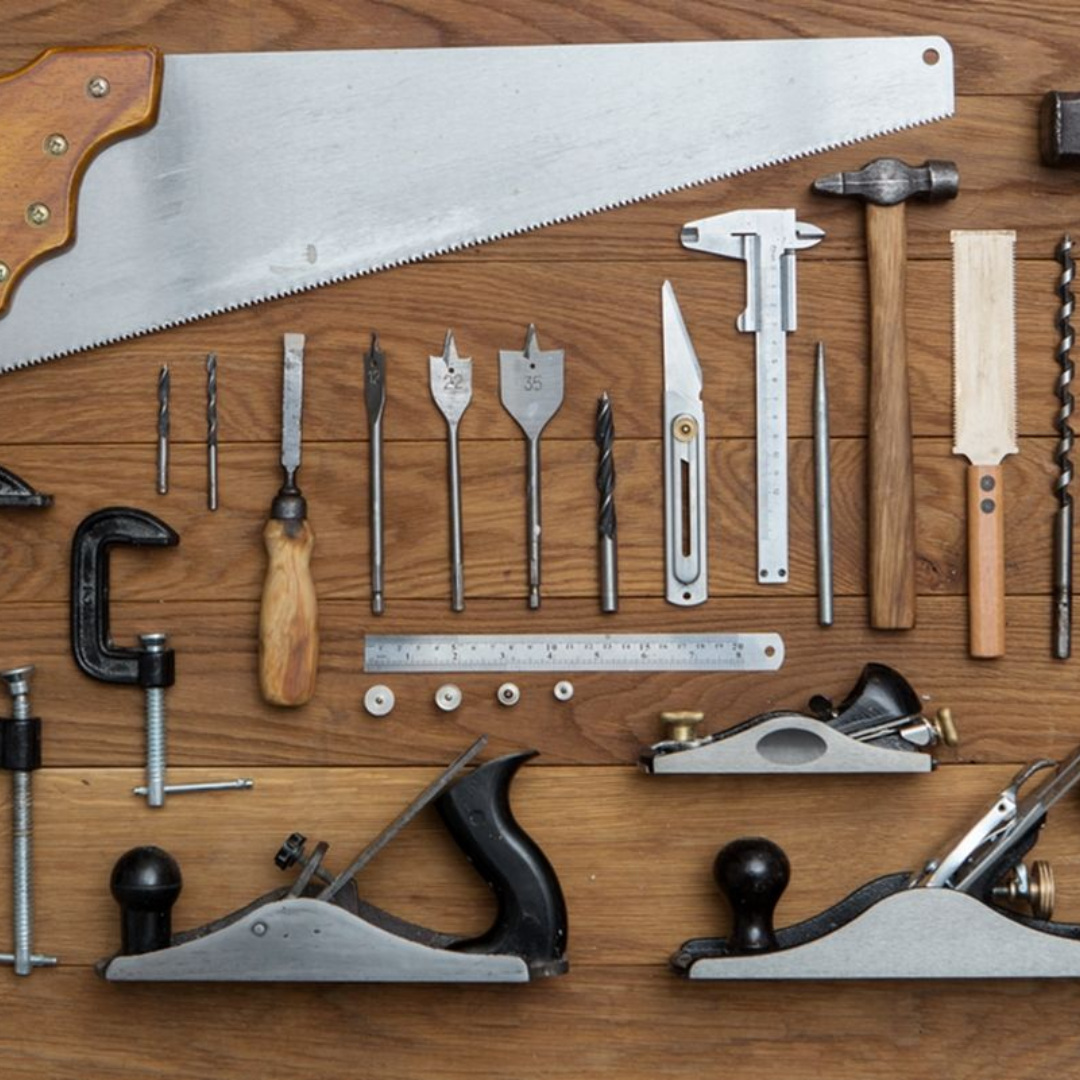
Invest in Basic Tools: A starter set (saw, sander, drill) is enough to begin.
Build a Portfolio: Photograph your finished projects and share them on social media or marketplaces like Etsy or eBay.
Set Fair Prices: Factor in material costs, time spent, and perceived value to the customer.
Promote Your Work: Use Instagram, Pinterest, and local groups to showcase your creations. Optimize posts with hashtags like #HandcraftedWoodworking, #CustomFurniture, and #RusticDecor.
Final Tips for Success
Practice Regularly: The more you practice, the faster you’ll build skills and confidence.
Connect with the Community: Join forums and groups to exchange ideas and learn from other woodworkers.
Invest in Quality: Choose high-quality materials and well-crafted plans to ensure durable, appealing products.
Turning your woodworking hobby into extra income is entirely achievable with the right planning. Overcome initial hurdles by selecting reliable resources, organizing your projects, and promoting your work strategically.