Building a Healthy and Sustainable Meal Plan: A Step-by-Step Guide
From Diet Chaos to Consistent Wellness: Practical Strategies for Creating a Personalized Eating Blueprint for Life
Introduction: The Blueprint for Lasting Health
The failure of most diets is not due to a lack of willpower, but a lack of a sustainable eating system. A successful diet is one you can adhere to for the long run—one that fits your lifestyle, budget, and personal preferences, not one that restricts you into misery.
Creating a healthy meal plan is not about complicated rules; it’s about thoughtful structure. It transforms vague goals (like “eat better”) into actionable steps (“eat a balanced lunch every day”). This process brings consistency, reduces food waste, and minimizes the daily stress of deciding what to eat.
This guide provides a professional, step-by-step framework on how to create a meal plan that is both healthy and genuinely sustainable for your life.
1. Define Your Foundation: Goals and Caloric Needs
Sustainability starts with realism. Before choosing foods, define your objectives and energy needs:
- Set Clear Goals: Are you aiming for weight loss, muscle gain, energy maintenance, or performance improvement? Your goal dictates your foundational macro balance (Protein, Fats, Carbs).
- Determine Caloric Baseline: Use a TDEE (Total Daily Energy Expenditure) calculator to estimate your daily calorie needs.
- Tip for Sustainability: Never cut calories too drastically. A small, manageable deficit (10-15%) is easier to maintain than a large one.
- Assess Lifestyle: How many times per week can you cook? Do you need portable meals? Do you have dietary restrictions (allergies, ethical choices)? Your plan must accommodate your real life.
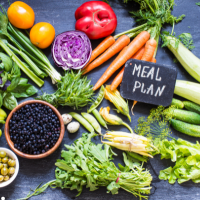
2. Structuring Your Week: The Power of Meal Planning
Effective nutrition planning involves three phases:
Phase 1: Inventory and Selection (The Week Ahead)
- Check Your Pantry/Fridge: See what ingredients you already have to minimize waste and save money.
- Choose 3-4 Proteins: Select core protein sources for the week (e.g., chicken breast, canned tuna, lentils, eggs).
- Select 2-3 Complex Carbs: Choose healthy bases (e.g., brown rice, quinoa, sweet potato, oats).
- Pick Abundant Vegetables: Select a variety for different preparations (e.g., broccoli for roasting, spinach for salads, carrots for snacking).
Phase 2: Preparation (The “Meal Prep” Slot)
- Dedicate 1-2 hours (usually Sunday) to mass-prepare base ingredients. This is key for meal prep strategies.
- Example: Cook all your rice/quinoa. Chop all raw vegetables. Cook and season your protein sources.
- Store prepared items in clear, labeled containers in the fridge.
Phase 3: Assembly (Daily Eating)
- Instead of cooking full meals daily, you assemble meals from your prepped components.
- Example Lunch: Pre-cooked chicken + pre-cooked rice + fresh salad mix (dressed right before eating).
3. Focus on Quality: Making Healthy Food Choices
A sustainable plan prioritizes quality over quantity, focusing on whole, minimally processed foods:
| Healthy Choice (Focus Here) | Less Sustainable Choice (Limit) | Benefit |
| Whole Grains (Oats, Quinoa) | Refined Grains (White Bread, Pasta) | High Fiber, Stable Energy |
| Lean Protein (Fish, Poultry, Legumes) | Processed Meats (Sausages, Deli Slices) | Muscle Repair, High Satiety |
| Healthy Fats (Avocado, Nuts, Olive Oil) | Trans Fats (Processed Snack Foods) | Hormone Health, Brain Function |
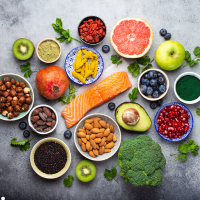
| Whole Fruits and Vegetables | Fruit Juices and Sweets | Micronutrients, Antioxidants |
4. Long-Term Adherence: Flexibility and Enjoyment
For a plan to be truly sustainable, it must allow for life’s realities:
- The 80/20 Rule: Aim for perfection 80% of the time, and allow 20% flexibility for social occasions, favorite treats, or unexpected meals out. This prevents burnout and cravings.
- Food Cycling: Change your selected foods (proteins and veggies) weekly to prevent palate fatigue and ensure a broad spectrum of nutrients.
- Track and Adjust: Use a journal or app for 2-3 weeks to see if your plan delivers the desired results. If you’re not losing weight, reduce your carbs or fats slightly. If you’re lethargic, increase your complex carbs. Personalized nutrition is about constant fine-tuning.
Conclusion: Consistency is the Currency of Health
A well-structured healthy and sustainable meal plan removes the guesswork from eating, empowering you to consistently nourish your body. By planning ahead, prioritizing quality, and allowing for flexibility, you transition from “dieting” to adopting a permanent, healthy lifestyle.