
Categorias
Post PH Heart/Mental/General

Quality of Life: Daily Habits That Help You Live Longer and Better

Quality of Life: Daily Habits That Help You Live Longer and Better

Living longer is no longer the ultimate goal — living better is. Today, more people are realizing that longevity without quality of life isn’t truly living. The secret lies not in magic pills or expensive treatments, but in simple daily habits that protect your body, sharpen your mind, and nurture your spirit.

In this article, you’ll discover science-backed habits that promote a longer, healthier life — including nutrition, sleep, exercise, mindfulness, and stress management. You’ll also learn how to build a lifestyle that supports both physical vitality and emotional balance, no matter your age.

If you want to enjoy more energy, mental clarity, and joy every day, these quality-of-life habits will help you not only add years to your life — but life to your years.


Why Quality of Life Matters More Than Longevity

We all want to live longer, but what good is longevity if it comes with pain, fatigue, or stress? Studies show that people who maintain balanced habits and emotional well-being live longer and experience fewer chronic illnesses.

According to a Harvard study, individuals who follow five healthy lifestyle habits — eating well, exercising regularly, maintaining a healthy weight, not smoking, and limiting alcohol — can live up to 12 years longer than those who don’t.

The key is consistency. Small, intentional actions done daily create long-lasting results for both mind and body.


1. Eat Real, Nutrient-Dense Foods

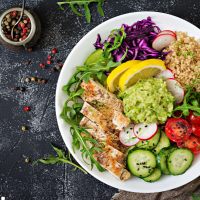
Nutrition is the foundation of longevity. A diet rich in whole, unprocessed foods helps reduce inflammation, balance hormones, and maintain a healthy heart and brain.

What to Eat for Better Quality of Life:
  • Fruits and vegetables: Rich in antioxidants and fiber.

  • Healthy fats: Olive oil, avocado, nuts, and omega-3-rich fish.

  • Lean proteins: Eggs, legumes, chicken, and tofu.

  • Whole grains: Oats, quinoa, brown rice.

  • Hydration: Water and herbal teas — limit sugary drinks.

💡 Tip: Try the Mediterranean diet — one of the world’s most researched diets for longevity and heart health.

“Let food be thy medicine and medicine be thy food.” — Hippocrates


2. Stay Active — Move Every Day

Movement is life. Exercise isn’t just about looking good; it’s about keeping your muscles strong, heart active, and mind clear.

Proven Benefits of Regular Activity:
  • Reduces the risk of heart disease, diabetes, and depression

  • Boosts energy and cognitive function

  • Improves sleep and mood

  • Increases life expectancy by 3–7 years, according to the Mayo Clinic

Simple Ways to Stay Active:
  • Walk at least 30 minutes daily

  • Try yoga or pilates for flexibility and balance

  • Include strength training twice per week

  • Take the stairs instead of the elevator


3. Prioritize Quality Sleep

Sleep is not a luxury — it’s a biological necessity. During sleep, your body repairs cells, strengthens memory, and balances hormones. Chronic sleep deprivation accelerates aging and increases the risk of heart disease, obesity, and anxiety.

Habits for Better Sleep Quality:

  • Maintain a consistent sleep schedule

  • Avoid screens and caffeine before bed

  • Create a dark, cool, and quiet environment

  • Practice relaxation techniques (meditation, deep breathing)

💤 Aim for 7–8 hours per night to allow your body and mind to fully recover.


4. Practice Mindfulness and Stress Management

Mental peace is just as important as physical health. Chronic stress weakens the immune system and shortens your lifespan.

Powerful Mindfulness Habits:

  • Meditation: Just 10 minutes daily can reduce cortisol levels by 30%.

  • Deep breathing exercises: Calm your nervous system in minutes.

  • Gratitude journaling: Increases happiness and lowers depression rates.

  • Spending time in nature: Boosts serotonin and reduces stress.

🧘 Start small — even 5 minutes of mindfulness per day can make a difference.


5. Build Meaningful Social Connections

Humans are social beings. Studies from the Blue Zones — regions where people live over 100 years — reveal that strong social bonds are a key predictor of long life and happiness.

How to Cultivate Connection:

  • Nurture relationships with friends and family

  • Join community or volunteer groups

  • Spend time offline and be fully present

  • Express gratitude and kindness daily

💬 Loneliness increases mortality risk by up to 26%, according to a study published in Perspectives on Psychological Science.


6. Avoid Harmful Habits

A healthy life also means eliminating behaviors that steal your energy and vitality.

What to Avoid:

  • Smoking: Reduces life expectancy by up to 10 years.

  • Excess alcohol: Damages the liver and heart.

  • Processed foods: Increase inflammation and cholesterol.

  • Sedentary lifestyle: Weakens muscles and slows metabolism.

Replace these habits gradually with healthier alternatives and focus on progress, not perfection.


7. Keep Your Mind Active and Curious

Cognitive decline isn’t inevitable — it’s preventable. Keep your brain young by learning new things regularly.

Brain-Boosting Activities:

  • Read books or listen to podcasts

  • Learn a new language or instrument

  • Play strategy games (chess, sudoku, puzzles)

  • Engage in creative hobbies — painting, writing, or music

🧠 Continuous learning strengthens neural pathways and protects against Alzheimer’s and other age-related diseases.


8. Embrace a Positive Outlook on Life

Optimism has measurable health benefits. Research from the American Heart Association shows that optimistic people have a 35% lower risk of cardiovascular disease.

How to Cultivate Positivity:

  • Focus on gratitude instead of problems

  • Limit exposure to negative news

  • Surround yourself with uplifting people

  • Celebrate small wins daily

Positivity doesn’t ignore challenges — it empowers you to overcome them.


Conclusion: Longevity Is Built One Habit at a Time

Living longer isn’t about luck — it’s about choices. By developing sustainable, healthy habits, you can dramatically improve your quality of life and well-being.

Start small: eat better, move more, rest deeply, and nurture your mind. Over time, these habits become your lifestyle — a foundation for a long, fulfilling, and joyful life.
Categorias
Post PH Heart/Mental/General

Healthy Foods for a Strong Heart: Good Fats, Fiber, and Omega-3s

Healthy Foods for a Strong Heart: Good Fats, Fiber, and Omega-3s

Maintaining a healthy heart doesn’t require extreme diets or expensive supplements — it starts with what’s on your plate. The right foods can lower cholesterol, control blood pressure, and reduce the risk of heart disease naturally. In this article, you’ll discover the top heart-healthy foods, why nutrients like fiber, omega-3, and healthy fats matter, and how to easily include them in your daily meals.

Whether you’re already focused on your cardiovascular health or just starting your wellness journey, this guide will help you understand how simple dietary changes can have a powerful, lasting impact on your heart.

Let’s explore the best foods that nourish your body, strengthen your heart, and boost your energy — naturally.


Why a Heart-Healthy Diet Matters

Heart disease remains the leading cause of death worldwide, responsible for nearly one-third of all deaths each year, according to the World Health Organization (WHO). The good news? Most heart problems can be prevented through healthy eating habits.

A balanced diet rich in nutrients, fiber, and unsaturated fats helps maintain:

  • Stable cholesterol levels

  • Healthy blood pressure

  • Balanced blood sugar

  • Reduced inflammation

Eating the right foods daily is one of the most powerful ways to protect your heart naturally — without relying solely on medication.


The Power of “Good Fats”: Why Your Heart Needs Them

For decades, fat was considered the enemy. But now we know that not all fats are created equal. The right fats can actually improve your heart health.

1. Unsaturated Fats: The Heart’s Best Friend

Unsaturated fats help lower bad cholesterol (LDL) while raising good cholesterol (HDL). These healthy fats are found in:

  • Avocados 🥑

  • Olive oil and extra virgin olive oil

  • Nuts and seeds (almonds, walnuts, chia, flaxseed)

  • Fatty fish (salmon, sardines, mackerel, trout)

These fats reduce inflammation and improve artery flexibility, allowing blood to flow freely and lowering the risk of heart attack or stroke.

2. Avoiding Trans Fats and Processed Oils

Trans fats — often found in fast food, margarine, and processed snacks — are directly linked to heart disease and high cholesterol. Always check labels for “partially hydrogenated oils” and avoid them completely.


The Role of Fiber in a Healthy Heart

How Fiber Protects Your Heart

Fiber isn’t just for digestion — it’s a key nutrient for cardiovascular health. Soluble fiber binds to cholesterol in your digestive tract, helping to eliminate it from the body before it enters your bloodstream.

Studies show that people who consume 25–30 grams of fiber daily have significantly lower risks of heart disease and diabetes.

Top Fiber-Rich Foods:

  • Oats and whole grains (barley, quinoa, brown rice)

  • Legumes (lentils, beans, chickpeas)

  • Fruits (apples, pears, berries, bananas)

  • Vegetables (broccoli, carrots, spinach, kale)

  • Seeds (chia, flaxseed, sunflower seeds)

👉 Pro Tip: Try starting your day with oatmeal topped with chia seeds and blueberries — a heart-healthy breakfast packed with fiber and antioxidants.


Omega-3 Fatty Acids: Nature’s Heart Protector

Omega-3s are essential fats your body can’t produce on its own. They reduce inflammation, lower triglycerides, and help regulate heart rhythm.

Best Sources of Omega-3s:

  • Salmon, sardines, tuna, mackerel

  • Flaxseed and chia seeds

  • Walnuts

  • Algae-based supplements (for vegans)

Regular omega-3 intake can reduce the risk of sudden cardiac death by up to 30%, according to studies published in the American Journal of Clinical Nutrition.


Superfoods for Heart Health

1. Berries (Blueberries, Strawberries, Raspberries)

Rich in antioxidants called anthocyanins, berries help reduce oxidative stress and arterial stiffness.

2. Dark Chocolate (70% Cocoa or More)

In moderation, dark chocolate supports blood vessel health and increases nitric oxide, improving circulation.

3. Leafy Greens (Kale, Spinach, Arugula)

Loaded with vitamin K, nitrates, and antioxidants, leafy greens help maintain healthy blood pressure.

4. Green Tea

Green tea’s catechins help reduce cholesterol and boost metabolism, supporting both heart and weight management.


Lifestyle Tips to Complement Your Diet

A heart-healthy lifestyle goes beyond food. Combine good nutrition with daily habits like:

  • 🏃‍♀️ Regular exercise: Aim for 30 minutes of movement per day.

  • 😴 Quality sleep: 7–8 hours per night supports cardiovascular repair.

  • 🚭 No smoking: Smoking constricts arteries and increases plaque buildup.

  • 🧘 Stress management: Try mindfulness, yoga, or breathing exercises.

Small changes done consistently create lasting results for your heart and overall well-being.


Simple Heart-Healthy Meal Ideas

  • Breakfast: Greek yogurt with oats, chia, and berries.

  • Lunch: Grilled salmon salad with olive oil dressing.

  • Snack: A handful of nuts or a green smoothie.

  • Dinner: Quinoa bowl with beans, spinach, and avocado.

You don’t need to give up your favorite foods — just make smarter swaps that keep your heart strong.


Final Thoughts: Nourish Your Heart Naturally

Your heart works tirelessly every day — it deserves care and nourishment. By prioritizing whole foods, healthy fats, and fiber, you can protect your cardiovascular health naturally and feel more energized in the process.

 
Categorias
Post PH Heart/Mental/General

Cholesterol and Blood Sugar: How to Lower Them Naturally for a Healthier Heart

Cholesterol and Blood Sugar: How to Lower Them Naturally for a Healthier Heart

❤️ Introduction: The Silent Danger Hiding in Your Blood

Do you ever feel tired, dizzy, or worried after reading your latest blood test?
High cholesterol and blood sugar levels often develop silently — no pain, no symptoms, no warning signs — until it’s too late. Heart attacks, strokes, and diabetes don’t happen overnight. They are the final results of years of imbalance inside your body.

But here’s the good news: with the right habits and natural adjustments, you can control cholesterol, balance blood sugar, and protect your heart health — without depending solely on medications.

This article reveals the main causes of high cholesterol and glucose, the hidden risks you may not know, and science-backed natural methods to lower them safely and effectively.

If you’re ready to take back control of your health, keep reading — your heart (and future self) will thank you.


🩸 What Is Cholesterol and Why Does It Matter?

Cholesterol is a fatty substance found in every cell of your body. It’s essential for producing hormones, vitamin D, and digestive acids.
However, problems begin when you have too much of the “bad” cholesterol (LDL) and not enough of the “good” one (HDL).

Types of Cholesterol
  • LDL (Low-Density Lipoprotein): The “bad” cholesterol that can build up in arteries.

  • HDL (High-Density Lipoprotein): The “good” cholesterol that removes excess fat from your blood.

  • Triglycerides: Another form of fat; high levels can also increase heart risk.

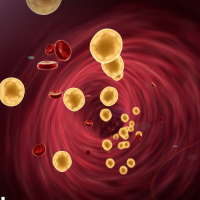
When LDL and triglycerides are too high, arteries become narrow and hard, limiting blood flow to your heart and brain — a direct path to heart disease or stroke.


⚠️ Main Causes of High Cholesterol and Blood Sugar

Most people think cholesterol problems are only genetic, but lifestyle plays the biggest role.

Here are the top causes of elevated cholesterol and glucose:

  1. Poor Diet: Excessive intake of fried foods, red meats, trans fats, and sugar.

  2. Sedentary Lifestyle: Lack of exercise reduces HDL and increases fat storage.

  3. Obesity: Especially around the abdomen — strongly linked to insulin resistance.

  4. Stress: Raises cortisol, which spikes blood sugar and cholesterol levels.

  5. Smoking and Alcohol: Both damage blood vessels and disrupt fat metabolism.

  6. Sleep Deprivation: Affects hormones that regulate hunger and glucose.

🧠 Fact: According to the World Health Organization, over 39% of adults worldwide have elevated cholesterol levels — and most don’t even know it.


❤️‍🔥 The Hidden Risks of High Cholesterol and Glucose

When your cholesterol and blood sugar stay high for too long, it sets off a chain reaction inside your body.

H3: What Can Happen Over Time
  • Atherosclerosis: Arteries become clogged and hardened.

  • Heart Attack: Restricted blood flow damages heart tissue.

  • Stroke: Blockages can cut off blood supply to the brain.

  • Type 2 Diabetes: High glucose damages insulin response.

  • Neuropathy: Nerve damage caused by prolonged high blood sugar.

Many of these conditions develop slowly — often without symptoms until serious damage occurs.
That’s why prevention through natural regulation is the smartest investment you can make in your health.


🌿 Natural Ways to Lower Cholesterol and Blood Sugar

1. Eat More Soluble Fiber

Fiber binds to cholesterol in the digestive system and removes it from your body.
Best sources: oats, beans, lentils, apples, flaxseeds, and chia seeds.

2. Choose Healthy Fats

Replace saturated fats with omega-3 fatty acids found in salmon, tuna, walnuts, and olive oil.
These fats help raise HDL and reduce LDL.

3. Control Sugar and Refined Carbs

Limit white bread, pasta, soda, and sweets. These spike insulin and increase triglycerides.
Instead, opt for whole grains, vegetables, and low-glycemic fruits.

4. Move Your Body Daily

Regular exercise lowers bad cholesterol and stabilizes glucose.
Try at least:

  • 30 minutes of brisk walking

  • Yoga or Pilates for stress reduction

  • Light resistance training for metabolism

5. Manage Stress Effectively

Chronic stress is one of the most overlooked causes of high cholesterol and blood sugar.
Practice:

  • Deep breathing or meditation

  • 10-minute mindfulness breaks during the day

  • Relaxation techniques before bed

6. Add Natural Supplements

Some natural ingredients have shown significant effects on heart and blood health:

  • Berberine — supports healthy blood sugar control.

  • Omega-3 oils — reduce triglycerides.

  • Niacin (Vitamin B3) — increases good HDL cholesterol.

  • Green tea extract — antioxidant that reduces LDL oxidation.


🍎 Foods to Include (and Avoid)

Best Foods for Lowering Cholesterol and Glucose

✅ Oats and barley
✅ Nuts and seeds
✅ Avocado and olive oil
✅ Leafy greens and cruciferous vegetables
✅ Fatty fish (salmon, sardines, trout)
✅ Herbal teas like green tea or hibiscus

Foods to Avoid

❌ Processed meats and sausages
❌ Sugary drinks and pastries
❌ Fried and fast foods
❌ White bread and refined flour
❌ Margarine and trans fats

A balanced, plant-rich diet can lower LDL cholesterol by up to 15% in as little as 3 months.


💤 Sleep, Hormones, and Cholesterol Connection

Did you know poor sleep can increase your cholesterol and glucose?
Lack of rest raises stress hormones like cortisol and ghrelin, which:

  • Increase appetite for sweets and carbs

  • Slow down metabolism

  • Disrupt insulin sensitivity

Try going to bed at the same time daily, limit screen exposure, and create a calming bedtime routine.


💬 When to Consult a Doctor

If lifestyle changes don’t improve your results within 3–6 months, consult your doctor.
Sometimes, genetic factors or metabolic conditions require additional medical support.
But even if medication is prescribed, natural habits remain essential to long-term heart protection.


💖 Final Thoughts — Your Heart Deserves Daily Care

Your heart works 24/7. It deserves more than short-term fixes.
By eating consciously, managing stress, staying active, and choosing natural support, you can balance your cholesterol and blood sugar naturally — and prevent heart disease before it starts.

Remember: prevention isn’t about restriction. It’s about choosing life, energy, and longevity.