
Categorias
Post PH Men

Muscle Mass & Vitality: The Essential Guide for Men to Retain Strength and Energy as They Age

Introduction: The Hidden Threat to Your Energy and Strength


Do you find yourself running out of steam faster than you used to? Are those familiar aches and pains settling in, making it harder to maintain the strength and energy you once took for granted? You’re experiencing a natural, but reversible, process known as sarcopenia—the age-related decline of muscle mass and function.

For men, losing lean muscle mass doesn’t just mean a change in physique; it translates directly to a loss of vitality, decreased metabolism, and a heightened risk of injury. This is not inevitable. Experts estimate that men can lose 3–8% of their muscle mass per decade after the age of 30, but you have the power to stop and reverse this trend. In this comprehensive, professional guide, we will provide you with the exact blueprint—covering nutrition, training, and lifestyle—to fight sarcopenia, preserve your hard-earned muscle mass, and unlock the profound vitality and energy that will keep you performing at your peak for decades to come.

Your journey to a stronger, more energetic future begins now. Let’s dive into the core strategies that truly work.


The Three Pillars of Maintaining Lean Muscle Mass


The secret to holding onto your strength is not just working out more; it’s working out smarter and supporting that effort with precise nutrition.


Strategic Resistance Training for Muscle Mass Retention


If you only implement one strategy, make it resistance training. It is the single most potent stimulus for retaining and building muscle mass, regardless of age.

  • The Overload Principle: Muscle growth (hypertrophy) requires consistently challenging your muscles. Focus on compound movements—squats, deadlifts, presses, and rows—as they recruit the most muscle mass and stimulate the strongest hormonal response.
  • Prioritize Intensity over Volume: Instead of endless sets of light weights, aim for heavier weights (within a safe range) that allow you to reach muscle fatigue within 6-12 repetitions. This signals your body to maintain or increase muscle protein synthesis.
  • Consistency and Progression (Proof Social): Successful, strong men aren’t just hitting the gym randomly. They follow a structured program that consistently increases the load or volume over time. Consistency is the ultimate weapon against the loss of vitality.


High-Protein Nutrition: The Fuel for Muscle Vitality


You can train like a warrior, but without the right fuel, your body will cannibalize your existing muscle mass. Protein is non-negotiable.

  • The Protein Threshold: As men age, the body becomes less efficient at utilizing protein. You need a higher intake to trigger muscle protein synthesis. Aim for 1.6 to 2.2 grams of protein per kilogram of body weight daily, distributed evenly throughout the day.
  • The Power of Leucine: Leucine, an essential amino acid, is the primary trigger for muscle growth. Ensure your meals include high-leucine sources like whey protein, chicken breast, eggs, and dairy.
  • The Timing Advantage: Consuming a protein-rich meal or shake within an hour after resistance training significantly speeds up the muscle repair and building process, protecting your muscle mass.


Hormonal Health and Energy: Boosting Your Natural Vitality


A decline in vitality often parallels a shift in hormonal balance, particularly testosterone (T). While often sensationalized, healthy T levels are critical for mood, energy, libido, and, most importantly, maintaining muscle mass.


The Testosterone-Vitality Connection


Testosterone naturally decreases with age, but lifestyle choices can either accelerate or mitigate this decline.

  • Optimize Sleep (Reciprocity): Sleep is when your body produces the majority of its daily testosterone. Aim for 7-9 hours of high-quality sleep. Skimping on sleep is essentially choosing low energy and reduced muscle mass.
  • Manage Stress Effectively: Chronic stress elevates cortisol, which directly inhibits testosterone production. Incorporate stress-busting routines like meditation, nature walks, or hobbies to protect your hormones and boost your vitality.
  • Healthy Fats and Cholesterol: Your body needs dietary cholesterol (found in eggs and healthy fats) to produce testosterone. Don’t fear healthy fats—embrace avocados, nuts, seeds, and quality olive oil.


The Role of Key Micronutrients in Energy and Performance


Beyond protein, specific vitamins and minerals are vital for energy production and muscle function.

  • Vitamin D: Often referred to as a pro-hormone, low Vitamin D is linked to low testosterone and weaker muscles. Adequate sun exposure and/or supplementation is often necessary, especially in winter months.
  • Magnesium: Essential for hundreds of bodily functions, including nerve and muscle function, energy production, and sleep quality. Magnesium supplementation can often directly improve energy levels and overall vitality.
  • Creatine (Authority): Backed by decades of research, creatine monohydrate is one of the most effective and safest supplements for increasing strength, muscle mass, and exercise performance. It acts as an energy reserve in the muscle cells.


Lifestyle Habits to Unlock Unstoppable Vitality and Energy


Achieving true vitality goes beyond the gym and the plate; it encompasses your entire approach to health and well-being.


Mastering Recovery and Longevity


Building muscle mass requires tearing muscle fibers; getting stronger requires repairing them. Recovery is where the magic happens.

  • Active Recovery: Light activities like walking, swimming, or stretching on rest days increase blood flow to the muscles, flushing out metabolic waste and speeding up repair.
  • Hydration: Water is involved in every metabolic process, including muscle protein synthesis and energy production. Chronic dehydration dramatically slows recovery and reduces energy, robbing you of vitality.
  • Avoid Excessive Alcohol: Alcohol consumption interferes with sleep quality, increases cortisol, and impairs muscle protein synthesis, directly working against your goal of maintaining muscle mass. Limit intake to protect your gains.


The Psychological Shift to High-Performance Living (Desire)


The most successful men view aging not as a decline, but as an opportunity to refine their focus and optimize their health.

  • Set Measurable Performance Goals: Don’t just focus on weight. Set specific, measurable goals like “increase my squat by 20 pounds in 3 months” or “walk 10,000 steps daily.” This sense of achievement fuels your vitality and reinforces your commitment.
  • Build a Supportive Community: Whether it’s a gym partner, a running club, or a supportive online community, having others who share your goal of maintaining muscle mass and vitality provides motivation and accountability.


Conclusion: The Actionable Path to Lifelong Strength


You now have the professional roadmap to combat age-related decline and boost your vitality. Maintaining muscle mass is not an accident—it’s the result of consistent, intelligent action: prioritizing resistance training, fueling your body with quality protein, and managing the stress and sleep that govern your hormones.


Don’t wait until you’ve lost more ground. The time to invest in your strength and vitality is today. Commit to making one significant change this week: whether it’s increasing your daily protein intake, dedicating 30 minutes to structured weight training, or simply going to bed one hour earlier.

Take the first step now. Your future self—stronger, more energetic, and full of vitality—will thank you for it.
 
Categorias
Post PH Men

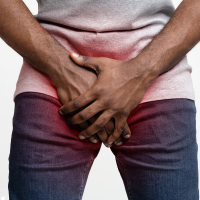
Sexual Performance and Libido: Common Causes of Decline and Proven Ways to Improve

Introduction: The Hidden Crisis of Declining Sexual Performance


Are you one of the millions of people quietly struggling with a dip in your sex drive or a decline in sexual performance? You are certainly not alone. The secret fear that your most intimate moments aren’t measuring up can erode self-esteem and strain even the strongest relationships.

At some point, nearly everyone experiences a fluctuation in their libido or sexual function. But what if this change isn’t just “getting older” or “being stressed”? What if there are clear, identifiable causes—and simple, science-backed solutions? In this definitive guide, we move beyond quick-fix myths to provide you with an empathetic yet professional roadmap. We will uncover the most common physical, psychological, and relational reasons your libido may have dropped, and arm you with proven, actionable strategies to dramatically enhance your sexual performance and reclaim the fulfilling intimate life you deserve.

The journey to better sexual health starts with knowledge. Let’s find out how to boost your drive and transform your experience.


Unpacking the Root Causes of Declining Libido


Understanding the “why” is the critical first step to improving your sexual performance. A drop in sexual desire is rarely due to a single factor. It’s often an intricate puzzle involving physical health, mental well-being, and relationship dynamics.


The Unseen Hormonal and Physical Barriers to Better Sexual Performance


The human body relies on a delicate hormonal balance to fuel desire and function. When this balance is disrupted, your libido pays the price.

  • Hormone Imbalances (Testosterone & Estrogen): For both men and women, testosterone is the primary driver of sexual desire. Low levels, often associated with age (andropause or menopause), chronic stress, or certain medical conditions, can significantly reduce libido. Similarly, a drop in estrogen during perimenopause and menopause can lead to vaginal dryness and painful sex, indirectly hurting the desire for intimacy.
  • Chronic Health Conditions: Conditions like diabetes, heart disease, high blood pressure, and neurological disorders (like Multiple Sclerosis) directly impact the body’s vascular and nerve function—both essential for peak sexual performance. In fact, erectile dysfunction is often an early warning sign of underlying cardiovascular issues.
  • Medication Side Effects: Many common prescription drugs—especially SSRI antidepressants, blood pressure medications (beta-blockers), and certain anti-seizure drugs—list decreased libido as a known side effect. (CTA Suggestion 1: If you suspect your medication is the cause, please consult your healthcare provider about alternative options. Do not stop taking prescribed medication without medical advice.)


Psychological and Lifestyle Factors Sabotaging Your Sexual Drive


While physical causes are concrete, the state of your mind and daily habits holds immense power over your libido and sexual performance.

  • Chronic Stress and Anxiety (The Cortisol Effect): Stress is perhaps the most significant modern-day inhibitor of desire. High, prolonged levels of the stress hormone cortisol actively suppress the production of sex hormones. When you’re constantly in “fight or flight” mode, your body prioritizes survival over procreation, putting the brakes on your sexual drive.
  • Mental Health and Low Self-Esteem: Depression, anxiety, and a poor body image are deeply intertwined with low libido. Feeling bad about yourself or your situation makes it nearly impossible to fully surrender to intimacy. Performance anxiety—the fear of not being able to perform—becomes a self-fulfilling prophecy.
  • Sleep Deprivation and Fatigue: Exhaustion, whether from work, childcare, or poor sleep quality, is a passion killer. Studies show a strong correlation between adequate sleep and healthy testosterone levels. Lack of rest drains your energy reserves, leaving no fuel for your sexual performance.


Proven Strategies to Naturally Boost Libido and Sexual Performance


The good news is that you possess significant control over your sexual health. By adopting a holistic, evidence-based approach, you can create a fertile environment for your libido to flourish.


The Power of Nutrition: Fueling Your Sexual Health


What you eat directly impacts your circulation, energy, and hormone regulation. Think of your diet as the high-octane fuel for better sexual performance.

  • Optimize Blood Flow: Focus on foods rich in L-arginine, an amino acid that converts to nitric oxide, which helps relax blood vessels and increase circulation. Think leafy greens, nuts, seeds, and lean protein. Antioxidant-rich foods like berries and pomegranates are also superb for vascular health.
  • Hormone Support (Zinc and Healthy Fats): Zinc is vital for testosterone production (find it in oysters, red meat, and pumpkin seeds). Healthy fats from avocados, olive oil, and fatty fish (Omega-3s) are the essential building blocks for all your sex hormones.
  • Hydration is Key: Simple, but critical. Dehydration negatively impacts blood volume and energy, contributing to overall fatigue that hurts both libido and physical endurance.


Exercise and Mind-Body Practices for a Stronger Sexual Drive


Moving your body is one of the most effective, natural ways to improve your sexual performance.

  • Aerobic Exercise (The Circulation Boost): Regular cardio improves cardiovascular health, directly enhancing blood flow to all organs, including the genitals. Improved circulation is the cornerstone of stronger erections and increased arousal sensitivity.
  • Strength Training and Testosterone: Resistance exercises, like weightlifting, are proven to naturally boost testosterone levels in both men and women, giving your libido a significant lift.
  • Pelvic Floor (Kegels): Strengthening your pelvic floor muscles (Kegel exercises) can improve blood flow, enhance orgasms, and help men maintain erections and delay ejaculation—a direct boost to physical performance.
  • Mindfulness and Stress Reduction (Reciprocity): Techniques like meditation, deep breathing, and yoga directly lower cortisol. By intentionally slowing down, you make space for the desire and excitement necessary for a great sexual experience.


Reigniting Intimacy Through Connection and Communication (The Relationship Factor)


Often, low libido isn’t a physical problem, but a relationship problem. Emotional closeness is a precursor to sexual desire for many people.

  • Open and Honest Communication: Talk to your partner outside the bedroom. Use “I” statements to express feelings (“I’ve been feeling stressed lately, and it’s affected my drive”) rather than assigning blame. This builds trust and emotional intimacy.
  • Prioritize Non-Sexual Touch: Kissing, cuddling, holding hands, and massage release oxytocin, the “bonding hormone.” This non-demand intimacy builds a foundation of safety and desire, reducing performance pressure.
  • Schedule Intimacy (Curiosity): While it sounds unromantic, deliberately scheduling “date nights” or “intimate time” reduces procrastination and ensures sex remains a priority. This can pique curiosity and anticipation, leading to better sexual performance when the time comes.


When to Seek Professional Support for Enhancing Sexual Performance


While lifestyle changes are powerful, some causes of low libido require professional intervention. Seeking help is a sign of strength and a commitment to your health.

  • Consult a Medical Doctor (Authority): If the drop in libido is sudden, severe, or accompanied by other symptoms (like pain, fatigue, or mood swings), consult your primary care physician or a specialist (Urologist, Gynecologist, or Endocrinologist). They can run essential blood work to check hormone levels (testosterone, thyroid, prolactin) and rule out underlying medical conditions.
  • The Role of Sex and Relationship Therapy: Sex therapists specialize in addressing the psychological components of sexual dysfunction. They can help navigate relationship conflicts, process past trauma, and effectively treat performance anxiety, which is often a major barrier to satisfying sexual performance.
  • Targeted Supplements and Medications (Reciprocity/Proof Social): Depending on the underlying cause, your doctor may recommend hormone replacement therapy (HRT), or specific medications that treat issues like Erectile Dysfunction. For natural support, science-backed supplements like L-arginine, ginseng, or maca are often explored, but always discuss these with a professional first to ensure safety and effectiveness.


Conclusion: Reclaiming Your Fulfilling Intimate Life


The decline in sexual performance or a drop in libido is a common, frustrating experience, but it is not a permanent sentence. As we’ve explored, the solution lies in a holistic approach: nurturing your physical health, prioritizing your mental well-being, and strengthening your emotional connection with your partner.

Don’t let embarrassment or inaction keep you from the intimate life you deserve. By making conscious changes to your diet, exercise routine, and communication patterns, you begin to take back control. Whether it’s talking to your partner, scheduling a doctor’s appointment, or simply making a commitment to better sleep, your journey to better sexual performance starts now.

Take the first step today. What is one small, manageable change you can make this week to honor your sexual health? Commit to it, and watch as your drive and confidence begin to return.