Categorias
Site ConquistaOnline

7 Coisas Que Devemos Aprender (e Roubar) dos Bilionários Agora Mesmo

7 Coisas Que Devemos Aprender (e Roubar) dos Bilionários Agora Mesmo

Você já se perguntou como os bilionários constroem sua fortuna? Não se trata apenas de herança ou sorte. Por trás de cada grande império financeiro, existe uma série de hábitos de bilionários, estratégias certeiras e uma mentalidade bilionária que os diferencia da maioria.

Neste artigo, vamos revelar 7 coisas que você pode — e deve — aprender (ou copiar!) dos bilionários para começar a trilhar o seu próprio caminho rumo ao sucesso financeiro.

1. Pense Grande Desde o Início
A mentalidade bilionária não começa quando o dinheiro entra — ela vem muito antes. Bilionários costumam ter uma visão de longo prazo, não apenas pensando em lucros imediatos, mas em estratégias para enriquecer de forma sólida e sustentável.

Frases de bilionários como “Pense grande, comece pequeno, cresça rápido” refletem exatamente essa lógica. Se você ainda está preso a metas pequenas, está se limitando mais do que imagina.

2. Invista em Conhecimento Antes de Investir Dinheiro
A maioria dos investimentos dos bilionários começa com algo mais valioso que dinheiro: conhecimento. Warren Buffett lê mais de 5 horas por dia. Bill Gates tira “semanas de leitura”. Não é coincidência.

Entender os fundamentos do mercado, tendências, tecnologia e comportamento humano é essencial para construir uma riqueza duradoura.

Quer ficar rico? Comece investindo na sua mente.

3. Automatize a Renda (e o Sucesso)
Bilionários não trocam tempo por dinheiro. Eles constroem ativos que geram renda passiva. Isso pode ser uma empresa, um fundo de investimento, ou até royalties de um produto.

A ideia é simples: faça o dinheiro trabalhar por você. Essa é uma das maiores estratégias para enriquecer adotadas por quem tem bilhões na conta.

4. Cercam-se de Mentes Brilhantes
Um bilionário raramente constrói algo grandioso sozinho. Eles sabem que o verdadeiro poder está em montar times de alto desempenho.

O networking estratégico e a contratação das melhores cabeças são parte dos segredos dos bilionários que muitas vezes passam despercebidos.

Lição: invista tempo se conectando com pessoas que elevam o seu nível.

5. Transformam Crises em Oportunidades
Enquanto a maioria congela diante de uma crise, os bilionários veem nela uma chance única de crescer. A pandemia de 2020, por exemplo, gerou dezenas de novos bilionários — todos eles enxergaram oportunidades onde o resto viu apenas problemas.

Eles seguem o princípio: “Quando todos estão com medo, é hora de agir.” Um dos hábitos de bilionários mais poderosos é justamente essa visão estratégica diante do caos.

6. Têm Regras Claras Para o Dinheiro
Nenhuma fortuna é construída sem disciplina. Bilionários são mestres em gestão financeira, definindo orçamentos, metas e limites.

Eles sabem quanto entra, quanto sai e, mais importante, quanto deve ser reinvestido. Se você trata seu dinheiro com amadorismo, dificilmente conquistará a riqueza que deseja.

7. Aprendem com Outros Bilionários
Por fim, eles estudam outros bilionários. Parece óbvio, mas poucos fazem isso. Jeff Bezos se inspirou em Sam Walton (fundador do Walmart), Elon Musk lê sobre Nikola Tesla e Henry Ford.

Estudar as frases de bilionários, suas biografias, seus erros e acertos é uma mina de ouro para quem deseja sucesso financeiro.

Conclusão: Roube Com Orgulho (os Hábitos Certos)
Você não precisa reinventar a roda. Os segredos dos bilionários estão disponíveis para quem estiver disposto a estudar, aplicar e manter a consistência. Comece agora mesmo a ajustar seus hábitos, sua mentalidade e suas ações diárias.

O caminho para ficar rico não está em atalhos, mas sim em aplicar o que já funciona.

…………………………………………………………………………………..

Quer Descobrir Mais? Baixe Agora Meu E-book!
Se você quer dar o próximo passo e desbloquear seu potencial financeiro, eu preparei um e-book com os maiores segredos dos bilionários, suas rotinas, hábitos e estratégias práticas que qualquer pessoa pode aplicar no dia a dia, tanto na sua vida pessoal quanto profissional.

📘 Descubra:

As fontes de renda passiva mais usadas por bilionários

Como pensar como eles (mesmo sem dinheiro ainda)

Os erros mais comuns que te afastam da riqueza

Técnicas mentais de foco e execução

👉 Clique aqui para adquirir seu EBOOK. Não perca a chance de transformar sua mentalidade e sua vida com o que há de mais poderoso no mundo da alta performance financeira.

Categorias
Site 4NextTravel

#BANGKOKIN3DAYS

Bangkok in 3 Days: The Essential Guide for Tourists

Welcome to the beating heart of Thailand! If you’re planning a trip to Bangkok in 2025, this essential guide is your perfect companion. As a travel and tourism expert, I’ve created a 3-day Bangkok itinerary optimized for travelers who want to maximize their time exploring Bangkok’s top tourist attractions, such as iconic temples, vibrant markets, and delicious Thai food. This article is packed with Bangkok travel tips, including how to avoid common objections like intense heat, crowds, and scams, so your experience is unforgettable and stress-free. Keywords like “what to do in Bangkok,” “3-day Bangkok itinerary,” and “Bangkok travel guide” have been naturally integrated to help you find this content in search engines.

Bangkok, the capital of Thailand, is a metropolis that blends tradition and modernity. With over 8 million inhabitants, it is known as the “City of Angels” and offers a mix of ancient temples, gleaming skyscrapers, and a world-beating culinary scene. In 2025, the city continues to evolve with new sustainable attractions and improved public transportation, making it even more accessible. If you only have three days, focus on the essentials: history, culture, shopping, and relaxation. Let’s get planning!


Pre-Trip Planning: Essential Tips for Visiting Bangkok

Before diving into your 3-day Bangkok itinerary, prepare yourself with these practical tips for tourists in Bangkok.

Best Time to Visit

High season runs from November to February, with mild temperatures (25-30°C) and less rainfall. Avoid April (the hottest month) and the rainy season from July to October. In 2025, events like the Loi Krathong Festival in November will add magic to your trip.


Visas and Entry

Brazilians do not need a visa for stays of up to 90 days. Check the Ministry of Foreign Affairs website for updates. Arrive at Suvarnabhumi Airport (BKK) or Don Mueang Airport (DMK) – opt for the former for international connections.

Transportation in Bangkok

Traffic is chaotic, a common objection. Use the BTS Skytrain or MRT to avoid traffic jams. Metered taxis are cheap (starting at THB 35), but insist on using the meter to avoid scams. Apps like Grab are safe and convenient. For the Chao Phraya River, express boats cost around THB 20 per trip.

Budget and Currency

Bangkok is affordable: expect to spend THB 2,000-4,000 per day (including accommodation, food, and attractions). Exchange money at exchange bureaus at the airport or use ATMs. Credit cards are accepted in hotels and shopping malls.Hospedagem Recomendada

Stay in central areas like Sukhumvit or Silom for easy access to transportation. Options include boutique hotels like Chatrium Riverside (river views) or budget hostels on Khao San Road.

Health and Safety

Hepatitis A/B and typhoid vaccinations are recommended. Drink bottled water and use mosquito repellent. Bangkok is safe for tourists, but avoid isolated areas at night and be wary of pickpockets in crowds. Common scams include taxi drivers who “close” attractions—ignore them and use apps.
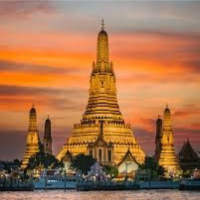
Now, let’s get to the detailed Bangkok itinerary in 3 days!

Day 1: Discovering Bangkok’s History and Iconic Temples

Begin your adventure with the historic attractions, essential in any Bangkok travel guide. Focus on the old town to immerse yourself in Thai culture.

Morning: Grand Palace and Wat Phra Kaew

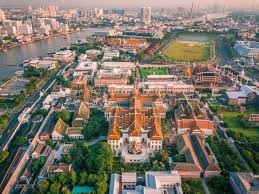
Arrive early (opens at 8:30 a.m.) to avoid crowds—a key tip for overcoming reservations about crowds. The Grand Palace (admission: 500 THB) is the symbol of the Thai monarchy, with stunning architecture and the Temple of the Emerald Buddha (Wat Phra Kaew). Dress appropriately: shoulders and knees covered (rent sarongs at the entrance). Spend 2-3 hours exploring the ornate gardens and halls.

Afternoon: Wat Pho and Wat Arun

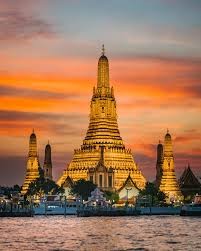
Walk to Wat Pho (200 THB), home to the 46-meter Reclining Buddha. Try a traditional Thai massage at the temple (about 300 THB for 30 minutes) to combat jet lag. Cross the river by boat (4 THB) to Wat Arun, the Temple of Dawn (100 THB). Climb the tower for panoramic views—ideal at sunset.

Evening: Khao San Road and Dinner

Finish on Khao San Road, the backpacker hub. Sample street food like pad Thai or som tam (papaya salad). If you have concerns about hygiene, choose busy vendors—street food in Bangkok is safe and delicious! Have a Chang beer at a local bar.

Total time: 10-12 hours. Distance: By foot or tuk-tuk (negotiate for 50-100 THB).
Day 2: Vibrant Markets and Modern Bangkok Life

On the second day of your 3-day Bangkok itinerary, explore the commercial and contemporary side of Bangkok, with shopping and dining.

Morning: Floating Market or Chatuchak Weekend Market

If it’s a weekend, head to Chatuchak (opens at 9 a.m., free), the world’s largest open-air market with 15,000 stalls. Shop for souvenirs, clothes, and handicrafts—bargain for 30-50% off! If it’s not a weekend, opt for a tour of the Damnoen Saduak Floating Market (around THB 1,500 with transfer). Wear sunscreen to combat the heat, a common objection.

Afternoon: Chinatown and Shopping

Head to Chinatown (Yaowarat) for an authentic lunch: try dim sum or noodles from stalls. Afterwards, visit modern malls like Siam Paragon or Terminal 21 for air-conditioning and international brands—perfect for escaping the 35°C heat.

Evening: Muay Thai or Rooftop Bar

Watch a Muay Thai fight at Lumpinee Stadium (1,500-2,500 THB). Alternatively, grab a drink on a rooftop like the Sky Bar at Lebua State Tower, with views of the skyline.

Tip: Use the MRT to get around and avoid traffic, responding to complaints about congestion.

Day 3: Chao Phraya River, Parks, and Relaxation

Finish with a mix of nature and leisure, balancing your Bangkok itinerary.

Morning: Chao Phraya River Cruise

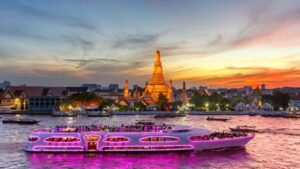
Take a boat cruise (about THB 1,000 with dinner) to see temples and riverside life. Stop at Bang Krachao, the “Green Island,” for cycling (rent bikes for THB 100/hour)—a great escape from urban pollution.

Afternoon: Lumpini Park and Jim Thompson House

Relax in Lumpini Park (free), Bangkok’s “Central Park,” with lakes and monitors. Visit Jim Thompson House (THB 200), a Thai silk museum with tranquil gardens.

Evening: Asiatique The Riverfront

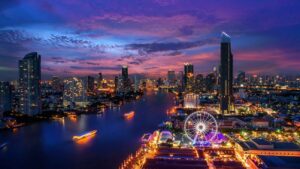
Finish at Asiatique, a riverside night market with shops, restaurants, and a Ferris wheel (THB 300). Taste fresh seafood and watch the fireworks display.

For those who object to pollution, note that areas like parks and the river offer cleaner air, and masks are common.
Thai Food Guide in Bangkok: What to Try

No Bangkok guide is complete without food. Try:

  • Pad Thai: Fried noodles with shrimp (50-100 THB at stalls).


Best Pad Thai Recipe, Authentic Bangkok Street Vendor Style

  • Tom Yum Goong: Spicy shrimp soup.
  • Mango Sticky Rice: A classic dessert. Places: Or Tor Kor Market for fresh produce or Michelin-starred restaurants like Gaggan for haute cuisine.

Objection: Spicy food? Ask for “mai pet” (not spicy).


  • Nightlife and Entertainment
  • From bars in Sukhumvit to cabaret shows in Nana Plaza, Bangkok pulsates at night. For families, opt for cruises or night markets.
  • Dispelling Common Objections about Bangkok
  • Many hesitate to visit due to myths. Here, I debunk them:
  • • Heat and Humidity: Visit attractions early, wear light clothing, and stay in places with air conditioning. Drink coconut water (20 THB).
  • • Crowds and Chaos: Plan off-peak times; use apps for navigation.
  • • Scams and Safety: Avoid “free” tuk-tuks and dubious jewelry stores. Bangkok is safer than many capitals; use common sense.
  • • Pollution and Traffic: Opt for public transportation or boats; masks help.
  • Language Barrier: Learn phrases like “sawasdee” (hello). Translation apps can help.
  • Street Food Hygiene: Choose popular vendors; avoid tap water.
Conclusion: Why Bangkok Is Worth It in 3 Days

This 3-day Bangkok itinerary captures the essence of the city: sacred temples, lively markets, and unforgettable flavors. With planning, you’ll overcome any objections and create lasting memories. For extensions, add Ayutthaya or nearby beaches. Share your experiences in the comments and have a great trip! If you need more tips on what to do in Bangkok, I’m here to help.


Categorias
Site 4NextTravel

#DISCOVERABUDHABI

Discover Abu Dhabi: From the Grand Mosque to the Oases

Abu Dhabi, the capital of the United Arab Emirates, is a city that seamlessly blends traditional and modern attractions. From the majestic Grand Mosque to the serene oases, Abu Dhabi offers a diverse range of experiences for visitors.

The city’s rich cultural heritage is evident in its stunning architecture, world-class museums, and vibrant cultural events. As a hub for Abu Dhabi tourism, the city welcomes millions of visitors each year, eager to explore its unique blend of tradition and innovation.

abu dhabi

Key Takeaways

  • Explore the majestic Grand Mosque, one of the world’s largest mosques.
  • Discover the natural beauty of Abu Dhabi’s oases.
  • Experience the city’s rich cultural heritage through its museums and events.
  • Enjoy world-class shopping and dining options.
  • Visit the Yas Marina Circuit for an adrenaline-packed experience.

The Essence of Abu Dhabi: Past and Present

From its humble beginnings as a fishing village to its current status as a global metropolis, Abu Dhabi’s journey is fascinating. The city’s transformation over the years is a testament to its resilience and adaptability.

Abu Dhabi history

A Brief History of the Emirates

The United Arab Emirates, including Abu Dhabi, has a rich and diverse history that dates back to ancient times. The region was initially inhabited by nomadic tribes, with the area’s strategic location making it an important hub for trade and commerce. Abu Dhabi’s early history was marked by its reliance on pearl diving and fishing, activities that sustained the local population for generations.

The discovery of oil in the 20th century marked a significant turning point in Abu Dhabi’s history, propelling the city into a period of rapid modernization and development. This transformation was characterized by significant investments in infrastructure, education, and healthcare, laying the foundation for the cosmopolitan city it is today.

From Fishing Village to Global Metropolis

Abu Dhabi’s evolution from a small fishing village to a global metropolis is a remarkable story of growth and development. The city’s strategic location on the Persian Gulf made it an attractive location for trade and commerce, even in its early days. As the city grew, so did its ambitions, with significant investments in infrastructure and tourism.

Today, Abu Dhabi is a thriving metropolis, known for its iconic landmarks such as the Sheikh Zayed Grand Mosque and its commitment to preserving cultural heritage while embracing modernity. The city’s ability to balance tradition with innovation has made it a hub for international business and tourism, solidifying its position as a global metropolis.

Sheikh Zayed Grand Mosque: An Architectural Marvel

Abu Dhabi’s Sheikh Zayed Grand Mosque is a masterpiece of modern Islamic architecture. This iconic landmark is a testament to the city’s rich cultural heritage and its ability to blend tradition with modernity.

The Vision Behind the Grand Mosque

The Sheikh Zayed Grand Mosque was built under the leadership of the late Sheikh Zayed bin Sultan Al Nahyan, who envisioned a mosque that would embody the values of tolerance, inclusivity, and beauty. The mosque’s design is inspired by Islamic architectural styles from around the world, including the Badshahi Mosque in Pakistan and the Sultan Ahmed Mosque in Turkey.

Artistic Elements and Design Features

The mosque is renowned for its stunning architectural features, including its minarets, domes, and intricate decorative elements. The blend of traditional and modern design elements creates a unique and breathtakingly beautiful structure.

The 82 Domes and Chandeliers

The mosque boasts 82 domes of varying sizes, which are adorned with intricate glasswork and floral designs. The main chandelier, made of gold and precious stones, is a highlight of the mosque’s interior.

The World’s Largest Hand-Knotted Carpet

The mosque’s prayer hall is covered by the world’s largest hand-knotted carpet, a masterpiece of Iranian craftsmanship. The carpet spans over 5,600 square meters and features intricate designs and patterns.

Sheikh Zayed Grand Mosque architectural details

Visitor Information and Etiquette

Visitors to the Sheikh Zayed Grand Mosque are required to dress modestly, covering their shoulders and knees. Guided tours are available, providing insight into the mosque’s history, architecture, and cultural significance.

Visitor GuidelinesDescription
Dress CodeModest clothing covering shoulders and knees
Guided ToursAvailable in multiple languages
Opening Hours7:00 AM to 10:00 PM (Saturdays to Thursdays)

The Cultural Heart of Abu Dhabi

Abu Dhabi’s cultural scene is a vibrant mix of traditional heritage and modern cultural expressions. The city’s historical sites and contemporary museums offer a glimpse into its rich cultural identity.

Qasr Al Hosn: The Oldest Building in Abu Dhabi

Qasr Al Hosn, also known as the White Fort, is the oldest building in Abu Dhabi, dating back to the 18th century. It has served various purposes, including a residence for the ruling family and a government office. Today, it stands as a testament to the city’s history and architectural heritage. Visitors can explore the fort and learn about its significance in Abu Dhabi’s past.

Louvre Abu Dhabi: Where East Meets West

The Louvre Abu Dhabi is a modern cultural icon that represents a fusion of Eastern and Western artistic traditions. Designed by architect Jean Nouvel, the museum’s striking dome is an engineering marvel.

The Architectural Wonder of the “Rain of Light”

The Louvre Abu Dhabi’s design features a “rain of light” effect, where the dome’s intricate pattern creates a sense of sunlight filtering through. This architectural innovation enhances the visitor experience.

Notable Collections and Exhibitions

The Louvre Abu Dhabi houses an impressive collection of artworks from around the world, including pieces by famous artists such as Leonardo da Vinci and Vincent van Gogh. The museum regularly hosts exhibitions that showcase global cultural heritage.

Cultural InstitutionSignificanceNotable Features
Qasr Al HosnOldest building in Abu DhabiHistoric fort, architectural heritage
Louvre Abu DhabiModern cultural icon“Rain of Light” effect, global art collections
Heritage VillageCultural preservationTraditional Emirati culture, historical artifacts

Heritage Village and Cultural Foundation

The Heritage Village and Cultural Foundation in Abu Dhabi play a crucial role in preserving and promoting the city’s cultural heritage. The village showcases traditional Emirati life and offers insights into the country’s history and customs.

Natural Wonders of Abu Dhabi

Exploring Abu Dhabi’s natural wonders reveals the emirate’s commitment to preserving its diverse and breathtaking environments. From lush oases to vast desert landscapes, Abu Dhabi is home to a variety of ecosystems that support a wide range of flora and fauna.

Al Ain Oasis: UNESCO World Heritage Site

The Al Ain Oasis is a serene and historic site, recognized by UNESCO for its cultural and agricultural significance. This lush oasis, sustained by a sophisticated irrigation system, is a testament to the ingenuity of the region’s ancient inhabitants.

Mangrove National Park

Mangrove National Park, located on the outskirts of Abu Dhabi, is a vital ecosystem that provides a habitat for numerous marine species. The park’s mangrove forests are not only a natural barrier against coastal erosion but also a crucial breeding ground for fish and other marine life.

Desert Landscapes and Wildlife

Abu Dhabi’s desert landscapes, including the vast expanse of the Empty Quarter, are home to a surprising variety of wildlife adapted to the harsh desert conditions. The desert’s unique biodiversity is a fascinating aspect of the emirate’s natural heritage.

The Empty Quarter (Rub’ al Khali)

The Empty Quarter, one of the largest sand deserts in the world, is a vast and awe-inspiring landscape. Its dunes, stretching as far as the eye can see, are a popular destination for adventure seekers and those looking to experience the raw beauty of nature.

Conservation Efforts and Protected Species

Abu Dhabi has implemented various conservation efforts to protect its natural wonders and the species that inhabit them. Initiatives include habitat restoration, wildlife protection programs, and the establishment of protected areas to safeguard the emirate’s biodiversity.

Natural WonderDescriptionConservation Status
Al Ain OasisLush agricultural area with ancient irrigation systemUNESCO World Heritage Site
Mangrove National ParkVital marine ecosystem and breeding groundProtected Area
The Empty QuarterVast sand desert with unique biodiversityConservation Efforts Ongoing

Exploring Abu Dhabi’s Modern Attractions

Modern Abu Dhabi is a city that seamlessly blends tradition with cutting-edge entertainment. Visitors can enjoy a wide range of modern attractions that cater to diverse interests.

Yas Island Entertainment District

Yas Island is a premier entertainment destination in Abu Dhabi, offering a variety of experiences for visitors. The island is home to several world-class attractions, including theme parks and entertainment venues.

Key Highlights:

  • Theme parks like Ferrari World and Warner Bros. World
  • Water parks and other recreational facilities
  • Dining and shopping options

Ferrari World and Warner Bros. World

Ferrari World is a must-visit for thrill-seekers, featuring the world’s fastest roller coaster. Warner Bros. World, on the other hand, offers an immersive experience for fans of the franchise.

Both parks provide unique experiences that cater to different age groups and interests.

The Corniche and Public Beaches

The Corniche is a scenic waterfront area that offers beautiful views of the Arabian Gulf. The public beaches along the Corniche are perfect for relaxation and leisure activities.

Popular Activities:

  1. Beach volleyball and other water sports
  2. Dining at waterfront restaurants
  3. Leisurely walks along the promenade

Abu Dhabi’s modern attractions make it an ideal destination for families, thrill-seekers, and those looking to relax in a beautiful setting.

Culinary Journey Through Abu Dhabi

Embark on a gastronomic adventure in Abu Dhabi, where the rich flavors of Emirati cuisine blend with global dining experiences. The city’s culinary landscape is a reflection of its cultural diversity and hospitality.

Traditional Emirati Cuisine

Traditional Emirati cuisine is characterized by its rich flavors and aromas, often featuring dishes made with locally sourced ingredients such as dates, fish, and meat. Emirati cuisine is known for its hearty and comforting dishes that are often served during special occasions and gatherings.

Signature Dishes: Machboos and Al Harees

Machboos, a flavorful rice dish cooked with meat or fish and a blend of spices, is a staple of Emirati cuisine. Al Harees, a slow-cooked wheat dish mixed with meat, is another traditional favorite, often served during special occasions. These dishes showcase the rich culinary heritage of the Emirates.

Arabic Coffee and Date Traditions

Arabic coffee, infused with cardamom, is an integral part of Emirati hospitality, symbolizing generosity and respect for guests. Dates, often served alongside coffee, are a symbol of warmth and welcome, reflecting the region’s rich date palm cultivation traditions.

International Dining Experiences

Abu Dhabi’s dining scene is not limited to traditional Emirati cuisine; it offers a wide range of international dining experiences. From fine dining restaurants serving French and Italian cuisine to casual eateries offering Asian and Middle Eastern flavors, there’s something to satisfy every palate.

Food Markets and Street Food

The city’s food markets and street food stalls offer a taste of local flavors and international cuisines. Visitors can explore bustling markets like the Abu Dhabi Fish Market or enjoy street food at various locations across the city, experiencing the vibrant food culture firsthand.

Adventure and Recreation in Abu Dhabi

From the dunes to the sea, Abu Dhabi offers a wide array of adventures that cater to different interests and preferences. Whether you’re looking to explore the desert, enjoy water sports, or tee off on a golf course, Abu Dhabi has something for everyone.

Desert Safari Experiences

A desert safari is a must-do experience in Abu Dhabi. Visitors can enjoy dune bashing, a thrilling ride through the sand dunes, or take a leisurely camel ride through the desert landscape. Many tour operators offer packages that include camping under the stars, providing a truly immersive experience.

Water Sports and Marine Activities

Abu Dhabi’s coastline offers numerous opportunities for water sports and marine activities. Visitors can enjoy kayaking, paddleboarding, or take a leisurely boat tour. For the more adventurous, there’s scuba diving and snorkeling in the crystal-clear waters of the Arabian Gulf.

Golf Courses and Sporting Venues

Golf enthusiasts will find Abu Dhabi to be a paradise, with several world-class golf courses designed by renowned architects. The Yas Links and Saadiyat Island Golf Club are just a couple of examples. Additionally, Abu Dhabi hosts various sporting events throughout the year, making it a great destination for sports fans.

In conclusion, Abu Dhabi’s diverse landscape and modern infrastructure make it an ideal location for a wide range of adventure and recreational activities. Whether you’re interested in exploring the desert, enjoying water sports, or playing golf, Abu Dhabi has something to offer.

Practical Travel Tips for Visiting Abu Dhabi

To make the most of your visit to Abu Dhabi, it’s essential to be prepared with the right travel tips. Planning ahead can significantly enhance your experience, whether you’re exploring historical sites, enjoying modern attractions, or immersing yourself in the local culture.

Best Time to Visit and Weather Considerations

Abu Dhabi’s climate is generally hot and sunny, with very little rainfall. The best time to visit is from November to March when temperatures are milder, ranging from 24°C to 32°C (75°F to 90°F). Avoid visiting during the peak summer months if you’re not accustomed to extreme heat, as temperatures can soar above 40°C (104°F).

Transportation Options

Abu Dhabi offers various transportation options to suit different preferences and budgets. You can use taxis, which are widely available, or ride-hailing services like Uber and Careem. For a more economical option, consider using the public bus system. If you prefer to drive, car rentals are available at the airport and in the city. Be aware that traffic can be heavy during rush hours, so plan your journeys accordingly.

  • Taxis and ride-hailing services for convenience
  • Public buses for an economical option
  • Car rentals for flexibility

Cultural Customs and Etiquette

Understanding and respecting local customs is crucial when visiting Abu Dhabi. Dress modestly, especially when visiting mosques or government buildings. Public displays of affection are frowned upon, and it’s considered polite to use your right hand when giving or receiving something. Be respectful of the local culture and traditions to ensure a positive experience.

Conclusion: The Enduring Appeal of Abu Dhabi

Abu Dhabi seamlessly blends cultural heritage with natural beauty, making it a captivating destination for travelers. The city’s rich history is evident in landmarks like the Sheikh Zayed Grand Mosque, while its natural wonders, such as the Al Ain Oasis, showcase the region’s diverse landscapes.

The Abu Dhabi appeal lies in its ability to balance tradition with modernity. Visitors can explore the city’s cultural heart, including Qasr Al Hosn and the Louvre Abu Dhabi, or experience the thrill of Yas Island’s entertainment district. The city’s commitment to preserving its cultural heritage is evident in its many museums and heritage sites.

As a tourist destination, Abu Dhabi offers a unique and unforgettable experience, with its stunning architecture, diverse wildlife, and breathtaking natural beauty. Whether you’re interested in history, culture, or adventure, Abu Dhabi has something to offer, making it a must-visit destination for travelers from around the world.

FAQ

What is the best time to visit Abu Dhabi?

The best time to visit Abu Dhabi is from November to March, when the weather is cooler and more pleasant, with average temperatures ranging from 24°C to 28°C (75°F to 82°F).

What are the must-visit attractions in Abu Dhabi?

Some of the top attractions in Abu Dhabi include the Sheikh Zayed Grand Mosque, Yas Island, Louvre Abu Dhabi, Al Ain Oasis, and the Corniche.

What is the dress code for visiting the Sheikh Zayed Grand Mosque?

Visitors to the Sheikh Zayed Grand Mosque are required to dress modestly, covering their shoulders and knees, and removing their shoes before entering the mosque.

Can I drive in Abu Dhabi with a foreign driver’s license?

Visitors can drive in Abu Dhabi with a valid foreign driver’s license for a limited period, typically up to three months, but it’s recommended to obtain a local license or an International Driving Permit for longer stays.

What are the local customs and etiquette in Abu Dhabi?

In Abu Dhabi, it’s customary to greet with a handshake or a kiss on the cheek, to respect Ramadan fasting hours, and to dress modestly, especially when visiting mosques or government buildings.

Are there any specific health and safety precautions to take in Abu Dhabi?

Visitors should take precautions against the hot sun, stay hydrated, and avoid consuming undercooked or raw food; it’s also recommended to have necessary vaccinations before traveling.

Can I use my credit cards and ATMs in Abu Dhabi?

Major credit cards and ATMs are widely accepted in Abu Dhabi, but it’s always a good idea to have some local currency, the UAE dirham, for small purchases or at traditional markets.

What are the popular water sports and activities in Abu Dhabi?

Abu Dhabi offers a range of water sports, including kayaking, paddleboarding, and yacht cruising, as well as activities like snorkeling and scuba diving in the Arabian Gulf.

Are there any desert safari experiences available in Abu Dhabi?

Yes, Abu Dhabi offers various desert safari experiences, including dune bashing, camel riding, and camping under the stars, often with luxury amenities and entertainment.