Introduction: The Conversation You Need to Have (AIDA: Attention & Interest)
It goes by many names—sexual impotence, Erectile Dysfunction (ED), or simply “the inability to get or keep an erection firm enough for sexual activity.” Whatever you call it, the experience is deeply personal, often isolating, and profoundly impacts a man’s confidence and relationships.
But here is the crucial fact, delivered with professional assurance: you are not alone, and it is highly treatable.
Studies suggest that over 50% of men between the ages of 40 and 70 experience some degree of impotence sexual. This isn’t a moral failure; it is usually a medical symptom. In 90% of cases, there is an underlying physical cause. This comprehensive guide, informed by the latest urological and medical advances of 2025, is designed to shatter the stigma. We promise to provide you with the clarity, empathy, and up-to-date knowledge you need to identify the root causes of your sexual impotence and explore the most effective, modern treatments—moving you from worry to action, and finally, to restoration.
It’s time to stop the anxiety and start the solution.
H2: Defining Sexual Impotence and Its Hidden Health Links
Before jumping to solutions, it is essential to understand exactly what impotence sexual is and, more importantly, what it signals about your overall health.
H3: The Core Definition of Erectile Dysfunction
Sexual impotence is the persistent inability to achieve or maintain an erection that allows for satisfactory sexual performance. It involves a complex interplay of the brain, hormones, nerves, blood vessels, and muscles.
- Occasional Failure vs. Impotence: Every man experiences a “misfire” now and then, usually due to stress, fatigue, or alcohol. Sexual impotence is defined by the consistent or recurrent nature of the problem, typically lasting three to six months or more.
- The Vascular Connection (Proof): The process of getting an erection is fundamentally a vascular event—it requires healthy, robust blood flow. Because the arteries supplying the penis are small, impotence sexual often serves as an early warning sign of broader cardiovascular disease, sometimes preceding a heart attack or stroke by several years.
Unmasking the Principal Causes of Male Sexual Impotence
The causes of impotence sexual are diverse and are often categorized into two major areas: organic (physical) and psychogenic (mental/emotional).
1. Organic Causes: The Physical Blockages
The majority of cases have an underlying physical reason, often related to the three elements essential for an erection: blood flow, nerves, and hormones.
- Vascular Disease (Blood Flow): This is the single most common cause. Conditions that damage the arteries and restrict blood flow are primary culprits:
- Diabetes: Damages nerves and blood vessels over time. Around 28% of men with ED have undiagnosed diabetes.
- Hypertension (High Blood Pressure): Damages the lining of the blood vessels.
- High Cholesterol/Dyslipidemia: Leads to plaque buildup (atherosclerosis) that narrows arteries.
- Obesity: Contributes to inflammation and a host of cardiovascular risk factors.
- Neurological Issues (Nerve Signals): Damage to the nerves responsible for sending signals from the brain to the penis.
- Prostate surgery (e.g., radical prostatectomy).
- Multiple sclerosis or Parkinson’s disease.
- Hormonal Imbalance: While less common, low levels of testosterone (hypogonadism) can reduce libido and contribute to ED.
2. Psychogenic Causes: Anxiety, Stress, and Mental Health
Purely psychological impotence sexual is rare (around 10% of cases), but psychological factors are a common contributing element in nearly every case.
- Performance Anxiety: The cycle of worry: a man fails to get an erection once, worries about it happening again, and that anxiety causes the next failure. This is one of the most common psychological drivers.
- Stress, Depression, and Anxiety: Mental health conditions directly interfere with the brain signals needed to initiate an erection. Chronic stress elevates cortisol, which inhibits the sexual response.
- Relationship Conflict: Unresolved issues or lack of intimacy with a partner can create emotional barriers to arousal and performance.
Effective Treatments for Sexual Impotence in 2025
The good news is that with an accurate diagnosis, the success rate for treating impotence sexual is very high. Treatment typically follows a progressive, step-by-step path.
1. First Line of Defense: Lifestyle and Counseling
The initial treatment often involves modifying lifestyle factors to improve the underlying health issues.
- Diet and Exercise: Adopting a heart-healthy diet (like the Mediterranean diet) and engaging in regular cardiovascular exercise (at least 45 minutes, three times a week) can often reverse mild ED by improving blood flow and reducing obesity.
- Quit Smoking and Limit Alcohol: Smoking drastically impairs circulation. Excessive alcohol use is directly toxic to the tissue needed for erections.
- Sexual and Couples Counseling: Essential for addressing performance anxiety or relationship dynamics. Speaking with a therapist can be as powerful as medication.
Second Line: Oral Medications (The Gold Standard)
The most popular and effective initial medical treatment. These drugs work by enhancing the effects of nitric oxide, relaxing the smooth muscle, and increasing blood flow to the penis.
- PDE5 Inhibitors: Sildenafil (Viagra), Tadalafil (Cialis), Vardenafil, and Avanafil.
- Tadalafil (Cialis): Known for its longer duration of action (up to 36 hours), offering men more spontaneity.
- Sildenafil (Viagra): The classic, reliable option, typically working for 4–6 hours.
3. Third Line: Advanced and Regenerative Therapies (2025 Insights)
For men who do not respond to oral medications, more advanced and innovative options are available.
- Low-Intensity Shockwave Therapy (Li-ESWT): A non-invasive, in-office procedure that uses sound waves to stimulate blood vessel growth (angiogenesis) and break up micro-plaque in the penile tissue. It is gaining traction as a potential long-term, restorative solution.
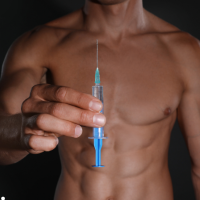
- Intracavernosal Injections: Medications (like Alprostadil or Trimixture) injected directly into the side of the penis, providing a strong, reliable erection within minutes. Highly effective for those who fail oral treatments.
- Vacuum Erection Devices (VEDs): A non-drug, non-invasive device used to create an erection by drawing blood into the penis, then retaining it with a tension ring.
4. Fourth Line: Surgical Solutions
For severe cases, surgery offers a reliable, permanent solution.
- Penile Implants (Prostheses): A device is surgically placed inside the penis, allowing a man to produce an erection at will. This solution has a high satisfaction rate among patients and their partners.
Conclusion: Take Action and Reclaim Your Intimacy
The fear and isolation caused by sexual impotence are often worse than the condition itself. We’ve established that this is a common, highly treatable medical issue, not a personal failing. You have the knowledge: it starts with addressing your underlying health, followed by a range of proven medical and psychological treatments.
Every day you delay seeking help is another day you spend in anxiety and avoidance. Don’t let shame or uncertainty dictate your life. The treatments in 2025 are more effective, less invasive, and more discreet than ever before. Your journey toward restored confidence and sexual health begins with one simple, courageous step.
Take control of your health and your life now.