
Categorias
Post PH WeightLoss

Fat Burning: Effective Methods to Melt Abdominal Fat

Are you tired of that stubborn belly bulge that just won’t budge, no matter how many crunches you do? If you’re between 25 and 55 and struggling to lose weight, you’re not alone. Abdominal fat, often called visceral fat, isn’t just a cosmetic concern—it’s linked to serious health risks like heart disease, diabetes, and even certain cancers. According to recent studies, about 55% of U.S. adults have high-risk waist circumferences, indicating abdominal obesity. Globally, obesity affects over 600 million adults, and for many in your age group, hormonal changes, stress, and busy lifestyles make it even harder to shed those extra inches.

I understand how frustrating this can be. You’ve probably tried fad diets or intense workouts that promised quick results but left you feeling defeated. The good news? Effective fat burning doesn’t require extreme measures. In this article, we’ll explore proven, science-backed methods to target abdominal fat loss, combining smart nutrition, targeted exercises, and simple lifestyle tweaks. By the end, you’ll have a clear, actionable plan to boost your metabolism, reduce belly fat, and feel more confident in your body. We’ll draw on real data and examples to show what works—and why. Plus, I’ll share subtle ways to integrate these strategies into your daily routine without overwhelming your schedule. Let’s dive in and turn that frustration into real progress.

Understanding Abdominal Fat: Why It’s So Stubborn

Abdominal fat isn’t like the fat on your arms or thighs. It’s deeper, surrounding your organs, and it’s more metabolically active—which means it can wreak havoc on your health if left unchecked. Research shows that visceral fat increases with age, especially in adults aged 25-55, due to factors like declining muscle mass and hormonal shifts.

What Makes Belly Fat Hard to Lose?

  • Hormonal Influences: Stress hormones like cortisol encourage fat storage around the midsection.
  • Genetics and Age: As we age, metabolism slows, making fat burning less efficient.
  • Lifestyle Factors: Sedentary jobs and poor sleep patterns contribute significantly.

The key to effective fat loss? A holistic approach that addresses these root causes. Don’t worry—small changes can yield big results.

Diet Strategies to Accelerate Fat Burning

Your diet is the foundation of any successful fat burning plan. It’s not about starving yourself; it’s about choosing foods that fuel your body and promote fat loss. Studies emphasize that a calorie deficit combined with nutrient-dense eating leads to sustainable weight reduction.

Focus on High-Protein, Low-Carb Meals

Protein is a fat-burning powerhouse. It boosts metabolism by up to 30% during digestion and helps preserve muscle mass, which is crucial for ongoing calorie burn. Aim for lean sources like chicken, fish, eggs, and legumes.

  • Example Meal: Grilled salmon with quinoa and broccoli—high in protein and fiber to keep you full.
  • Tip: Swap refined carbs for veggies to reduce insulin spikes that store fat.

Incorporating these can help you burn belly fat faster. For personalized meal ideas, consider downloading our free Fat Burning Recipe Guide to get started today.

Incorporate Fat-Burning Foods

Certain foods naturally enhance fat loss. For instance, green tea’s catechins can increase fat oxidation by 17% during exercise. Other winners include:

  • Chili Peppers: Capsaicin revs up your metabolism.
  • Greek Yogurt: Probiotics support gut health, aiding weight loss.
  • Berries: Low-calorie and packed with antioxidants to fight inflammation.

A Mediterranean-style diet, rich in these, has been shown to reduce abdominal fat effectively. Remember, consistency is key—track your intake for better results.

Exercise Routines for Targeted Belly Fat Loss

Exercise is essential for burning fat, but spot reduction is a myth. Instead, combine cardio and strength training to torch calories and build muscle. Regular activity can reduce visceral fat even without major weight loss.

Cardio Workouts to Boost Metabolism

Aerobic exercises are proven to shrink waistlines. Brisk walking for 30 minutes daily can burn up to 150 calories and target belly fat.

  • Running or Jogging: High-intensity intervals (HIIT) melt fat faster.
  • Cycling: Low-impact and great for beginners.
  • Swimming: Full-body workout that’s easy on joints.

Start slow if you’re new to this—aim for 150 minutes of moderate cardio per week.

Strength Training to Build Fat-Burning Muscle

Building muscle increases your resting metabolic rate, helping you burn fat around the clock. Focus on compound moves:

  • Deadlifts: Engage your core and back for overall strength.
  • Pushups: Strengthen your upper body while tightening abs.
  • Planks: Hold for 30 seconds to target deep abdominal muscles.

Research confirms that strength training reduces belly fat in adults over 40. If you’re ready to level up, our online Fat Burning Workout Program offers guided sessions tailored for your age group.

Lifestyle Changes That Enhance Fat Loss

Beyond diet and exercise, everyday habits play a huge role in fat burning. Making these adjustments can amplify your results without extra effort.

Prioritize Sleep and Stress Management

Poor sleep disrupts hormones that control hunger, leading to more fat storage. Adults aiming for weight loss should get 7-9 hours nightly. Stress reduction techniques like meditation can lower cortisol levels.

  • Quick Tip: Wind down with a book instead of screens.
  • Proven Benefit: Better sleep alone can improve fat loss by 20%.

Stay Hydrated and Mindful

Drinking water before meals can reduce calorie intake by 13%. Aim for half your body weight in ounces daily.

  • Mindful Eating: Chew slowly to recognize fullness cues.
  • Track Progress: Use apps to monitor habits for accountability.

These changes create a supportive environment for sustained fat burning.

Supplements and Tools to Support Your Journey

While no pill is a magic solution, certain supplements can aid fat loss when combined with diet and exercise. Omega-3s from fish oil reduce inflammation and support metabolism.

Consider tools like fitness trackers to stay motivated. And if you’re looking for expert guidance, sign up for our newsletter to receive a complimentary Fat Burning Toolkit with tips and resources.

Conclusion: Take Action for Lasting Fat Burning Results

You’ve now got the tools to tackle abdominal fat head-on: from protein-packed diets and dynamic exercises to smarter lifestyle habits. Remember, fat burning is a marathon, not a sprint—patience and consistency will pay off. Many in your age group have transformed their bodies by starting small, like adding a daily walk or swapping sugary snacks for berries.

Don’t wait another day to feel healthier and more energized. Download our free Fat Burning Starter Guide today and kickstart your journey. What’s one change you’ll make this week? Share in the comments below—we’re here to support you every step of the way.
Categorias
Post PH Nutrition

Building a Healthy and Sustainable Meal Plan: A Step-by-Step Guide

Building a Healthy and Sustainable Meal Plan: A Step-by-Step Guide

From Diet Chaos to Consistent Wellness: Practical Strategies for Creating a Personalized Eating Blueprint for Life


Introduction: The Blueprint for Lasting Health

The failure of most diets is not due to a lack of willpower, but a lack of a sustainable eating system. A successful diet is one you can adhere to for the long run—one that fits your lifestyle, budget, and personal preferences, not one that restricts you into misery.

Creating a healthy meal plan is not about complicated rules; it’s about thoughtful structure. It transforms vague goals (like “eat better”) into actionable steps (“eat a balanced lunch every day”). This process brings consistency, reduces food waste, and minimizes the daily stress of deciding what to eat.

This guide provides a professional, step-by-step framework on how to create a meal plan that is both healthy and genuinely sustainable for your life.

1. Define Your Foundation: Goals and Caloric Needs

Sustainability starts with realism. Before choosing foods, define your objectives and energy needs:

  • Set Clear Goals: Are you aiming for weight loss, muscle gain, energy maintenance, or performance improvement? Your goal dictates your foundational macro balance (Protein, Fats, Carbs).
  • Determine Caloric Baseline: Use a TDEE (Total Daily Energy Expenditure) calculator to estimate your daily calorie needs.
    • Tip for Sustainability: Never cut calories too drastically. A small, manageable deficit (10-15%) is easier to maintain than a large one.
  • Assess Lifestyle: How many times per week can you cook? Do you need portable meals? Do you have dietary restrictions (allergies, ethical choices)? Your plan must accommodate your real life.

2. Structuring Your Week: The Power of Meal Planning

Effective nutrition planning involves three phases:

Phase 1: Inventory and Selection (The Week Ahead)

  • Check Your Pantry/Fridge: See what ingredients you already have to minimize waste and save money.
  • Choose 3-4 Proteins: Select core protein sources for the week (e.g., chicken breast, canned tuna, lentils, eggs).
  • Select 2-3 Complex Carbs: Choose healthy bases (e.g., brown rice, quinoa, sweet potato, oats).
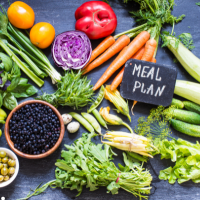
  • Pick Abundant Vegetables: Select a variety for different preparations (e.g., broccoli for roasting, spinach for salads, carrots for snacking).

Phase 2: Preparation (The “Meal Prep” Slot)

  • Dedicate 1-2 hours (usually Sunday) to mass-prepare base ingredients. This is key for meal prep strategies.
    • Example: Cook all your rice/quinoa. Chop all raw vegetables. Cook and season your protein sources.
  • Store prepared items in clear, labeled containers in the fridge.

Phase 3: Assembly (Daily Eating)

  • Instead of cooking full meals daily, you assemble meals from your prepped components.
    • Example Lunch: Pre-cooked chicken + pre-cooked rice + fresh salad mix (dressed right before eating).

3. Focus on Quality: Making Healthy Food Choices

A sustainable plan prioritizes quality over quantity, focusing on whole, minimally processed foods:

Healthy Choice (Focus Here)Less Sustainable Choice (Limit)Benefit
Whole Grains (Oats, Quinoa)Refined Grains (White Bread, Pasta)High Fiber, Stable Energy
Lean Protein (Fish, Poultry, Legumes)Processed Meats (Sausages, Deli Slices)Muscle Repair, High Satiety
Healthy Fats (Avocado, Nuts, Olive Oil)Trans Fats (Processed Snack Foods)Hormone Health, Brain Function
Whole Fruits and VegetablesFruit Juices and SweetsMicronutrients, Antioxidants


4. Long-Term Adherence: Flexibility and Enjoyment

For a plan to be truly sustainable, it must allow for life’s realities:

  • The 80/20 Rule: Aim for perfection 80% of the time, and allow 20% flexibility for social occasions, favorite treats, or unexpected meals out. This prevents burnout and cravings.
  • Food Cycling: Change your selected foods (proteins and veggies) weekly to prevent palate fatigue and ensure a broad spectrum of nutrients.
  • Track and Adjust: Use a journal or app for 2-3 weeks to see if your plan delivers the desired results. If you’re not losing weight, reduce your carbs or fats slightly. If you’re lethargic, increase your complex carbs. Personalized nutrition is about constant fine-tuning.

Conclusion: Consistency is the Currency of Health

A well-structured healthy and sustainable meal plan removes the guesswork from eating, empowering you to consistently nourish your body. By planning ahead, prioritizing quality, and allowing for flexibility, you transition from “dieting” to adopting a permanent, healthy lifestyle.

Categorias
Post PH Nutrition

The Power of Superfoods: Effects and How to Use Them Daily

The Power of Superfoods: Effects and How to Use Them Daily

Your Daily Dose of Vitality: Integrating High-Impact Nutrient-Dense Foods for Maximum Health and Longevity

Introduction: Defining the Superfood Phenomenon

The term “superfoods” may sound like a marketing buzzword, but it refers to a scientifically backed category of foods that offer exceptional nutritional value. These are not magic bullets, but rather concentrated sources of antioxidants, vitamins, minerals, fiber, and healthy fats—nutrients essential for fighting disease, reducing inflammation, and boosting energy.

In an age where processed foods dominate, intentionally incorporating nutrient-dense foods is key to bridging nutritional gaps and achieving optimal health.

This guide will break down the true benefits of superfoods and provide practical, easy ways to use them in your everyday diet.

1. The Core Effects: Why Superfoods Matter

The powerful impact of superfoods comes from their unique chemical composition, delivering targeted benefits to the body:

  • Boosted Immune System: Rich in Vitamin C, Zinc, and carotenoids (like in berries and citrus), they fortify the body’s defenses against pathogens.
  • Reduced Inflammation: Many superfoods, such as turmeric and green tea, contain potent anti-inflammatory compounds that combat chronic inflammation, a root cause of many diseases.
  • Antioxidant Power: They are loaded with antioxidants that neutralize free radicals, protecting cells from oxidative stress and slowing the aging process.
  • Improved Gut Health: High fiber content (like in chia and flax seeds) supports a healthy microbiome and optimal digestive function.
  • Sustained Energy: Healthy fats and complex carbohydrates (like in nuts and quinoa) provide slow-releasing, consistent energy without blood sugar spikes.

2. Meet the Stars: Essential Superfoods and Their Benefits

To get the most out of your diet, focus on incorporating a diverse range of colors and categories.

Superfood CategoryKey ExamplesPrimary EffectsHow to Use Daily
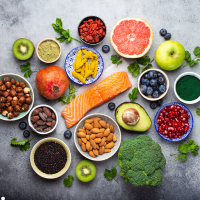
BerriesBlueberries, Raspberries, AcaiHigh in antioxidants (anthocyanins), supports brain health and memory.Add a handful to oatmeal, yogurt, or smoothies.
Leafy GreensSpinach, Kale, Collard GreensRich in Vitamins K, A, and folate. Excellent for bone health and detoxification.Blend into smoothies (you won’t taste them!), or use as a base for salads.
Seeds & NutsChia Seeds, Flax Seeds, WalnutsExcellent source of Omega-3s, protein, and fiber. Promotes satiety and gut health.Mix into overnight oats, sprinkle on yogurt, or use to thicken shakes.
SpicesTurmeric, Ginger, CinnamonPowerful anti-inflammatory and digestive support.Add a pinch of turmeric to savory dishes or golden lattes.
Healthy FatsAvocado, Extra Virgin Olive OilSupports hormone health, nutrient absorption, and heart health (monounsaturated fats).Use in salads, spread on toast, or drizzle over cooked vegetables.

3. Superfoods in Practice: Simple Daily Integration

Adopting superfoods doesn’t require complex meal prep. The goal is consistency. Here are simple strategies for how to use superfoods every day:

  • The Power Smoothie: Start your day by blending spinach, berries, chia seeds, and a splash of milk/water. This covers four food groups in one go.
  • Lunch Booster: Sprinkle ground flax seeds or walnuts over your salad or soup for added fiber and Omega-3s.
  • Afternoon Snack: Swap processed snacks for a small handful of almonds and a piece of fruit, or slices of avocado with a pinch of salt.
  • Flavorful Anti-Inflammatory: When cooking rice, grains, or lentil dishes, add a teaspoon of turmeric for color and powerful anti-inflammatory benefits.

4. Addressing Gaps: The Consistency Challenge

While whole foods are always best, it can be challenging to consume the ideal variety and volume of fresh greens and exotic berries every single day. This is where modern nutritional supplements come into play, providing a convenient concentration of these vital nutrients.