Categorias
Post PH Nutrition

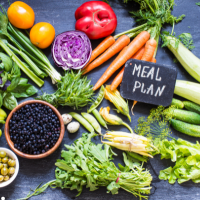
Building a Healthy and Sustainable Meal Plan: A Step-by-Step Guide

Building a Healthy and Sustainable Meal Plan: A Step-by-Step Guide

From Diet Chaos to Consistent Wellness: Practical Strategies for Creating a Personalized Eating Blueprint for Life


Introduction: The Blueprint for Lasting Health

The failure of most diets is not due to a lack of willpower, but a lack of a sustainable eating system. A successful diet is one you can adhere to for the long run—one that fits your lifestyle, budget, and personal preferences, not one that restricts you into misery.

Creating a healthy meal plan is not about complicated rules; it’s about thoughtful structure. It transforms vague goals (like “eat better”) into actionable steps (“eat a balanced lunch every day”). This process brings consistency, reduces food waste, and minimizes the daily stress of deciding what to eat.

This guide provides a professional, step-by-step framework on how to create a meal plan that is both healthy and genuinely sustainable for your life.

1. Define Your Foundation: Goals and Caloric Needs

Sustainability starts with realism. Before choosing foods, define your objectives and energy needs:

  • Set Clear Goals: Are you aiming for weight loss, muscle gain, energy maintenance, or performance improvement? Your goal dictates your foundational macro balance (Protein, Fats, Carbs).
  • Determine Caloric Baseline: Use a TDEE (Total Daily Energy Expenditure) calculator to estimate your daily calorie needs.
    • Tip for Sustainability: Never cut calories too drastically. A small, manageable deficit (10-15%) is easier to maintain than a large one.
  • Assess Lifestyle: How many times per week can you cook? Do you need portable meals? Do you have dietary restrictions (allergies, ethical choices)? Your plan must accommodate your real life.

2. Structuring Your Week: The Power of Meal Planning

Effective nutrition planning involves three phases:

Phase 1: Inventory and Selection (The Week Ahead)

  • Check Your Pantry/Fridge: See what ingredients you already have to minimize waste and save money.
  • Choose 3-4 Proteins: Select core protein sources for the week (e.g., chicken breast, canned tuna, lentils, eggs).
  • Select 2-3 Complex Carbs: Choose healthy bases (e.g., brown rice, quinoa, sweet potato, oats).
  • Pick Abundant Vegetables: Select a variety for different preparations (e.g., broccoli for roasting, spinach for salads, carrots for snacking).

Phase 2: Preparation (The “Meal Prep” Slot)

  • Dedicate 1-2 hours (usually Sunday) to mass-prepare base ingredients. This is key for meal prep strategies.
    • Example: Cook all your rice/quinoa. Chop all raw vegetables. Cook and season your protein sources.
  • Store prepared items in clear, labeled containers in the fridge.

Phase 3: Assembly (Daily Eating)

  • Instead of cooking full meals daily, you assemble meals from your prepped components.
    • Example Lunch: Pre-cooked chicken + pre-cooked rice + fresh salad mix (dressed right before eating).

3. Focus on Quality: Making Healthy Food Choices

A sustainable plan prioritizes quality over quantity, focusing on whole, minimally processed foods:

Healthy Choice (Focus Here)Less Sustainable Choice (Limit)Benefit
Whole Grains (Oats, Quinoa)Refined Grains (White Bread, Pasta)High Fiber, Stable Energy
Lean Protein (Fish, Poultry, Legumes)Processed Meats (Sausages, Deli Slices)Muscle Repair, High Satiety
Healthy Fats (Avocado, Nuts, Olive Oil)Trans Fats (Processed Snack Foods)Hormone Health, Brain Function
Whole Fruits and VegetablesFruit Juices and SweetsMicronutrients, Antioxidants


4. Long-Term Adherence: Flexibility and Enjoyment

For a plan to be truly sustainable, it must allow for life’s realities:

  • The 80/20 Rule: Aim for perfection 80% of the time, and allow 20% flexibility for social occasions, favorite treats, or unexpected meals out. This prevents burnout and cravings.
  • Food Cycling: Change your selected foods (proteins and veggies) weekly to prevent palate fatigue and ensure a broad spectrum of nutrients.
  • Track and Adjust: Use a journal or app for 2-3 weeks to see if your plan delivers the desired results. If you’re not losing weight, reduce your carbs or fats slightly. If you’re lethargic, increase your complex carbs. Personalized nutrition is about constant fine-tuning.

Conclusion: Consistency is the Currency of Health

A well-structured healthy and sustainable meal plan removes the guesswork from eating, empowering you to consistently nourish your body. By planning ahead, prioritizing quality, and allowing for flexibility, you transition from “dieting” to adopting a permanent, healthy lifestyle.

Categorias
Post PH Nutrition

The Power of Superfoods: Effects and How to Use Them Daily

The Power of Superfoods: Effects and How to Use Them Daily

Your Daily Dose of Vitality: Integrating High-Impact Nutrient-Dense Foods for Maximum Health and Longevity

Introduction: Defining the Superfood Phenomenon

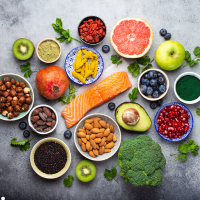
The term “superfoods” may sound like a marketing buzzword, but it refers to a scientifically backed category of foods that offer exceptional nutritional value. These are not magic bullets, but rather concentrated sources of antioxidants, vitamins, minerals, fiber, and healthy fats—nutrients essential for fighting disease, reducing inflammation, and boosting energy.

In an age where processed foods dominate, intentionally incorporating nutrient-dense foods is key to bridging nutritional gaps and achieving optimal health.

This guide will break down the true benefits of superfoods and provide practical, easy ways to use them in your everyday diet.

1. The Core Effects: Why Superfoods Matter

The powerful impact of superfoods comes from their unique chemical composition, delivering targeted benefits to the body:

  • Boosted Immune System: Rich in Vitamin C, Zinc, and carotenoids (like in berries and citrus), they fortify the body’s defenses against pathogens.
  • Reduced Inflammation: Many superfoods, such as turmeric and green tea, contain potent anti-inflammatory compounds that combat chronic inflammation, a root cause of many diseases.
  • Antioxidant Power: They are loaded with antioxidants that neutralize free radicals, protecting cells from oxidative stress and slowing the aging process.
  • Improved Gut Health: High fiber content (like in chia and flax seeds) supports a healthy microbiome and optimal digestive function.
  • Sustained Energy: Healthy fats and complex carbohydrates (like in nuts and quinoa) provide slow-releasing, consistent energy without blood sugar spikes.

2. Meet the Stars: Essential Superfoods and Their Benefits

To get the most out of your diet, focus on incorporating a diverse range of colors and categories.

Superfood CategoryKey ExamplesPrimary EffectsHow to Use Daily
BerriesBlueberries, Raspberries, AcaiHigh in antioxidants (anthocyanins), supports brain health and memory.Add a handful to oatmeal, yogurt, or smoothies.
Leafy GreensSpinach, Kale, Collard GreensRich in Vitamins K, A, and folate. Excellent for bone health and detoxification.Blend into smoothies (you won’t taste them!), or use as a base for salads.
Seeds & NutsChia Seeds, Flax Seeds, WalnutsExcellent source of Omega-3s, protein, and fiber. Promotes satiety and gut health.Mix into overnight oats, sprinkle on yogurt, or use to thicken shakes.
SpicesTurmeric, Ginger, CinnamonPowerful anti-inflammatory and digestive support.Add a pinch of turmeric to savory dishes or golden lattes.
Healthy FatsAvocado, Extra Virgin Olive OilSupports hormone health, nutrient absorption, and heart health (monounsaturated fats).Use in salads, spread on toast, or drizzle over cooked vegetables.

3. Superfoods in Practice: Simple Daily Integration

Adopting superfoods doesn’t require complex meal prep. The goal is consistency. Here are simple strategies for how to use superfoods every day:

  • The Power Smoothie: Start your day by blending spinach, berries, chia seeds, and a splash of milk/water. This covers four food groups in one go.
  • Lunch Booster: Sprinkle ground flax seeds or walnuts over your salad or soup for added fiber and Omega-3s.
  • Afternoon Snack: Swap processed snacks for a small handful of almonds and a piece of fruit, or slices of avocado with a pinch of salt.
  • Flavorful Anti-Inflammatory: When cooking rice, grains, or lentil dishes, add a teaspoon of turmeric for color and powerful anti-inflammatory benefits.

4. Addressing Gaps: The Consistency Challenge

While whole foods are always best, it can be challenging to consume the ideal variety and volume of fresh greens and exotic berries every single day. This is where modern nutritional supplements come into play, providing a convenient concentration of these vital nutrients.


Categorias
Post PH Nutrition

Mastering Macros: The Ultimate Guide to Balancing Protein, Fats, and Carbs

Mastering Macros: The Ultimate Guide to Balancing Protein, Fats, and Carbs

Unlock Your Body’s Potential: How to Calculate and Adjust Macronutrients for Optimal Health, Weight Management, and Performance
Introduction: Beyond Calories – Understanding the Power of Macros

For decades, diet advice focused almost exclusively on calorie counting. While total calories matter, true mastery of nutrition—whether for weight loss, muscle gain, or peak health—lies in understanding macronutrients (macros). Macros are the three main components of food: protein, fats, and carbohydrates.

Each macro plays a distinct and vital role in your body:

  • Protein: Builds and repairs tissues (muscles, organs, skin).
  • Fats: Provides long-term energy, essential fatty acids, and supports hormone production.
  • Carbohydrates: The body’s primary and most readily available energy source.

This guide will give you the complete breakdown on balancing macros to create a personalized nutrition strategy that works for your goals.

1. Why Macro Balance is Crucial for Success

The way you structure your protein fat carbs ratio dictates your body’s metabolic response, energy levels, and long-term health. Getting the balance right is not a one-size-fits-all approach:

  • For Weight Loss: A higher protein and controlled carb intake often maximizes satiety and preserves muscle mass while your body burns fat.
  • For Muscle Gain: Adequate protein is non-negotiable, coupled with enough carbohydrates to fuel intense workouts and replenish glycogen stores.
  • For Optimal Health: A balanced ratio ensures all bodily functions—from immune response to hormone regulation—are supported.

2. The First Step: Calculating Your Caloric Needs (TDEE)

Before you can split your macros, you need to know your Total Daily Energy Expenditure (TDEE). This is the estimated number of calories you burn daily, considering your basal metabolism and physical activity.

  • Weight Loss: Consume 15–20% fewer calories than your TDEE.
  • Weight Maintenance: Consume calories equal to your TDEE.
  • Muscle Gain: Consume 5–10% more calories than your TDEE.

(Note: Use an online TDEE calculator to get an estimate, but be prepared to adjust based on results.)

3. Setting Your Ratio: Standard Guidelines for Macro Counting

Once you have your calorie target, you can apply the widely accepted caloric values for each macro:

  • Protein: 4 calories per gram
  • Carbohydrates: 4 calories per gram
  • Fats: 9 calories per gram

Here are three popular starting points for balancing macros, suitable for low carb beginners or high-performance athletes:

Goal/ApproachProtein (%)Fats (%)Carbs (%)Focus
General Health & Maintenance20%30%50%Balanced energy and nutrients.
Weight Loss (Moderate Carb)30%30%40%High satiety and muscle preservation.
Performance/Muscle Gain (High Carb)30%20%50%Fuel intense training and recovery.


Example: Calculating Macros for a 2000-Calorie Weight Loss Plan (30/30/40)

  1. Protein (30%): $2000 \times 0.30 = 600$ calories. $600 / 4 = 150$ grams of protein.
  2. Fats (30%): $2000 \times 0.30 = 600$ calories. $600 / 9 \approx 67$ grams of fat.
  3. Carbs (40%): $2000 \times 0.40 = 800$ calories. $800 / 4 = 200$ grams of carbohydrates.

Daily Target: 150g Protein, 67g Fat, 200g Carbs.

4. The Key to Success: Prioritizing Protein First

Regardless of your ratio, always ensure you hit your protein target. Protein is the most important macro for body composition.

  • Minimum Recommendation: Aim for at least 0.8 to 1.0 gram of protein per pound of lean body mass (or 1.6 to 2.2g per kg of total body weight) for active individuals.

Once your protein needs are met, you can adjust your fat and carbohydrate intake based on your energy needs and dietary preferences (e.g., higher fat for low carb, higher carb for endurance training).

Conclusion: Flexibility and Consistency (IIFYM)

The concept of macro counting is often called IIFYM (“If It Fits Your Macros”), emphasizing flexibility. It teaches you to choose quality foods that fit your daily numerical targets. Consistency is the real secret. Track your food intake accurately for several weeks, monitor your results (weight, energy, strength), and make small adjustments to your ratio until you find your optimal balance.