Some links in this guide are affiliate links. If you book through them, we may earn a small commission at no extra cost to you. It helps keep this site running, and we only point you to things worth your time.
You step out of the Tube at Westminster, and Big Ben is simply there, taller than every photo made it seem. A red bus rolls past. Somewhere behind you, a street musician is playing under a bridge that has stood for more than a century. London does that to first-time visitors: it hands you a postcard before you have even found your bearings.
It can also overwhelm you. The city is huge, the Tube map looks like a bowl of noodles, and every attraction wants you to book a month ahead. This guide cuts through that. You will find what changed in the entry rules, how to move around without wasting money, a three-day plan that actually flows geographically, and the mistakes that cost first-timers the most time.
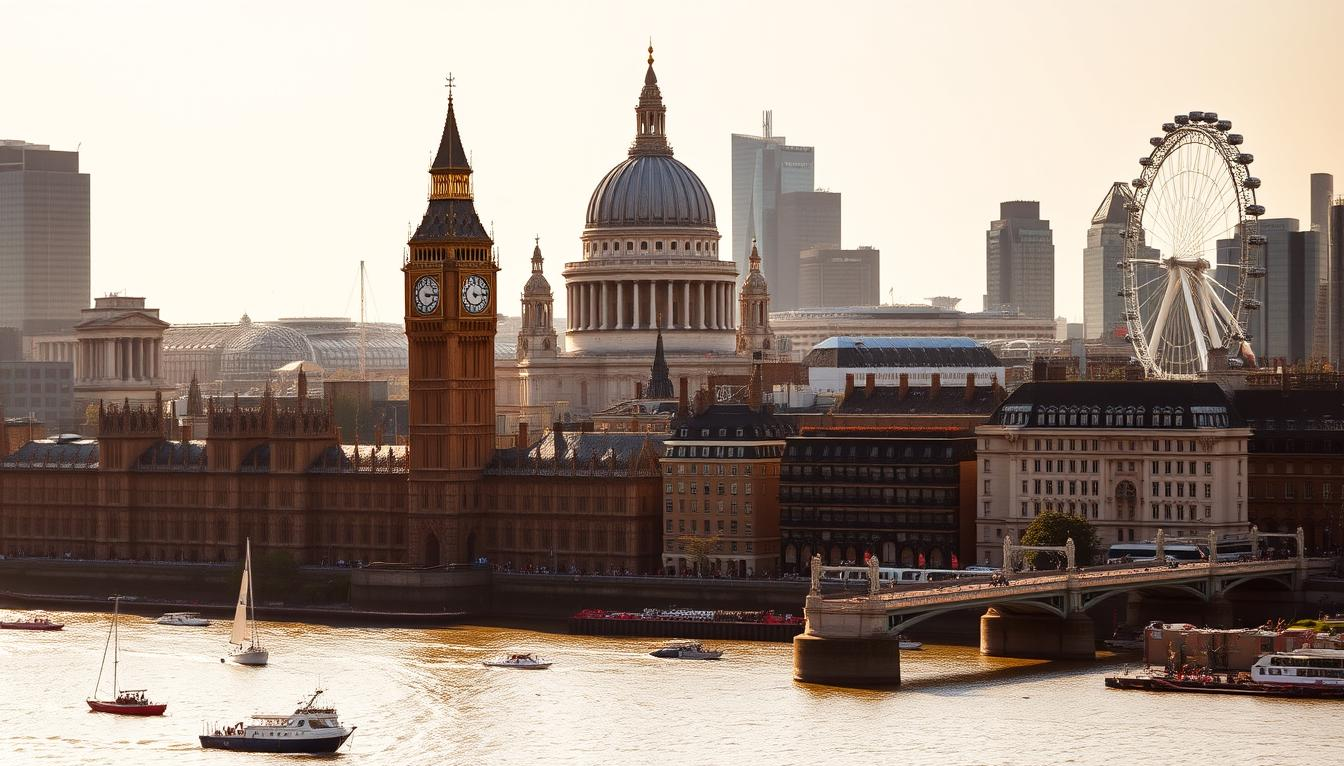
London at a glance
- Entry: Most visa-free visitors, including Americans, Canadians and Brazilians, now need an approved ETA before flying.
- Ideal trip length: 4 to 5 days. Three is the minimum to feel you have really seen it.
- Best months: April to June and September to October for the best mix of weather and manageable crowds.
- Getting around: Tube, buses and your own two feet. Skip the car entirely.
Before you book: the ETA and when to go
The entry rule that catches people out
Many older guides still say you can just show up with a passport. That is out of date. The UK now requires an Electronic Travel Authorisation (ETA) for visitors from visa-free countries, and since late February 2026 airlines check it before you board. No ETA, no flight.
The process is short: apply through the official UK ETA app or on GOV.UK, pay the fee, and wait for approval, which usually arrives quickly but can take a few working days. Apply well before your trip, not at the airport. Also watch out for copycat websites that charge extra for the same form. Use only the official government channels, and check the current fee and validity there.
Apply for your UK ETA on GOV.UKThe best time to visit London
Spring (April to June) brings blossom in the parks and long evenings. Early autumn (September and October) is quieter, and the light on the Thames turns golden. Summer is lively but busy and pricier. November and December trade sunshine for Christmas lights and seasonal markets, which many travelers find worth it. Whatever the month, pack layers and a small umbrella. London weather changes its mind several times a day.
Getting around without stress
Forget paper tickets: just tap
The easiest way to pay for the Tube, buses and many trains is a contactless bank card or phone. Tap on the yellow reader when you enter, and tap again when you exit. Always use the same card or device for the whole journey. Daily and weekly caps mean you will not pay more than the capped amount, so you do not need to work out the cheapest ticket yourself. An Oyster card works the same way, but for most visitors a contactless card is simpler. Check whether your bank charges foreign transaction fees before you rely on it.
From the airport into the city
From Heathrow, the Elizabeth line and the Heathrow Express are the fastest options. The Piccadilly line is slower but usually cheaper. From Gatwick and Stansted, take the direct trains to central London. Check current times and prices on the official operators’ websites.
Three habits that make the Tube easy
- Stand on the right of the escalator. People in a hurry walk on the left, and they will not be shy about asking you to move.
- Avoid rush hour (roughly 7:30 to 9:30 in the morning and 5 to 7 in the evening) when you can.
- Use a map app. Google Maps and Citymapper handle live disruptions much better than your memory of the Tube map.
Buses are slower but you see the city from a window seat, and the upper deck at the front is the best free sightseeing seat in London. For a more relaxed view of the skyline, a Thames river cruise connects several major sights from the water.
Browse Thames river cruisesThe landmarks worth your time
Tower of London
Nearly a thousand years of royal drama sit inside these walls: a fortress, a palace, a prison, and today the home of the Crown Jewels. The Yeoman Warders (the “Beefeaters”) give lively tours that are well worth joining, and the resident ravens are part of the legend. Go as early as you can, make the Crown Jewels your first stop before the queue builds, and leave time to walk the battlements toward Tower Bridge.
Check Tower of London tickets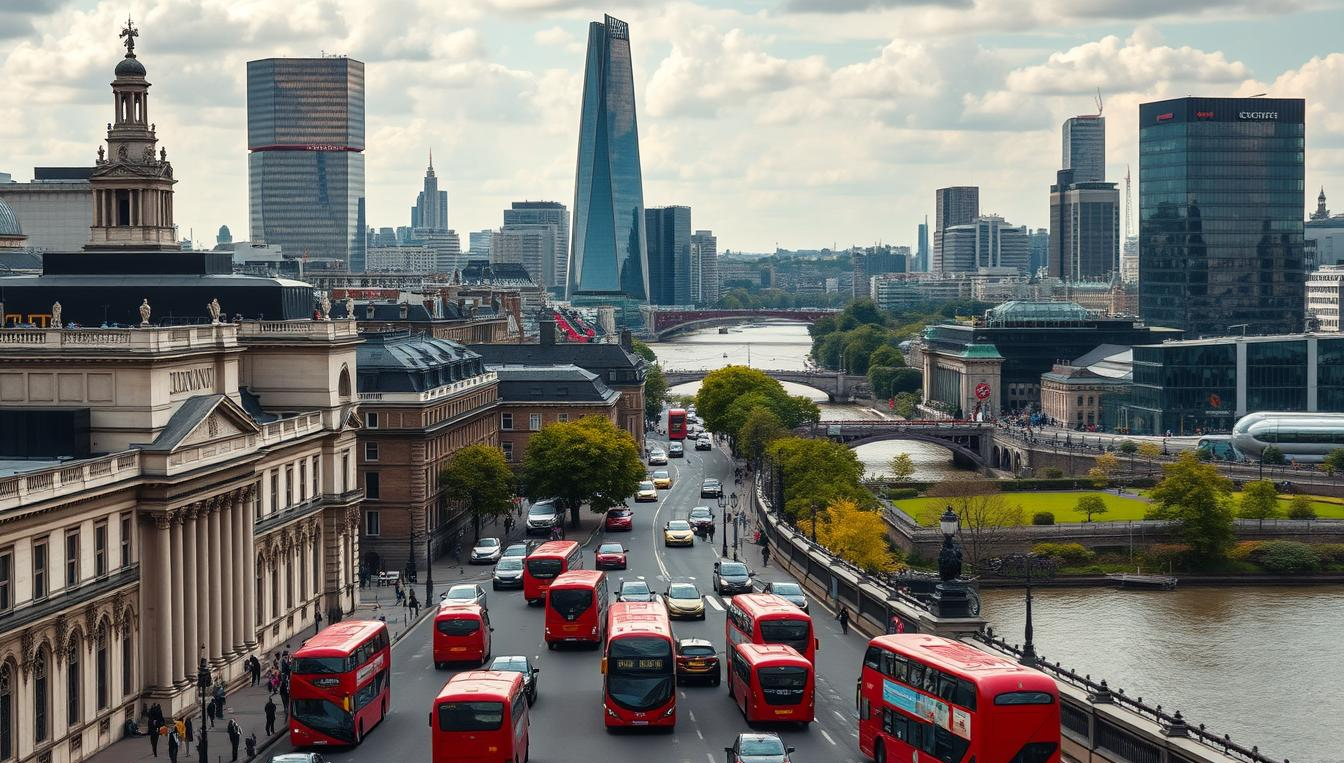
Westminster: Big Ben, the Abbey and Parliament
This is the most photogenic square mile in the city. Westminster Abbey has hosted coronations and royal weddings for centuries. Next door, the Houses of Parliament offer guided tours on selected days, so check the calendar before you go. Cross Westminster Bridge for the classic view back toward Big Ben.
Buckingham Palace
The palace is the King’s official London residence. Visitors can tour the State Rooms during the summer opening and on some other dates, but the private apartments are not open to the public. The Changing of the Guard takes place on selected days, not daily, and it gets crowded, so confirm the schedule before you plan around it. Arrive early for a spot with a view, or simply enjoy the palace from the quieter side of St James’s Park.
St Paul’s Cathedral
Christopher Wren’s dome dominates the skyline. If you can handle the stairs, climb up for a panoramic view of the city. You will pass the Whispering Gallery on the way, where a murmur on one side carries clearly to the other.
Free and brilliant: London’s museums
This is where London beats almost every other big city for value. Entry to the permanent collections is free at the British Museum, the National Gallery, Tate Modern, the Natural History Museum, the Science Museum and the V&A. Special exhibitions usually cost extra and are worth booking ahead.
| Museum | Go if you love | Don’t miss |
|---|---|---|
| British Museum | Ancient history | The Rosetta Stone and the Egyptian galleries |
| National Gallery | Classic painting | Van Gogh, Monet and da Vinci, right on Trafalgar Square |
| Tate Modern | Contemporary art | The view from the viewing level |
| Natural History Museum | Families and dinosaurs | The Hintze Hall and the dinosaur gallery |
| V&A | Design and fashion | The fashion and jewellery collections |
The tip most visitors miss: Don’t try to see a whole museum. Pick two or three rooms, enjoy them properly, and leave while you still have energy.
What to eat and drink
Forget the old joke that British food is boring. London is one of the most diverse food cities on earth, and the best meals are often the least fancy.
- Borough Market: Go hungry. Grazing from stall to stall makes a perfect lunch.
- Fish and chips: Order it from a proper chippy, with mushy peas if you are brave.
- A traditional pub: Order at the bar, not at the table. Historic options include Ye Olde Cheshire Cheese off Fleet Street and The Spaniards Inn in Hampstead.
- Sunday roast: The weekly ritual. Book ahead, since good pubs fill up.
- Curry near Brick Lane and dim sum in Chinatown: Proof that London’s food story is global.
- Afternoon tea: A splurge, but a memorable one. Book well ahead, and expect to dress a little smarter.
A small practical note: many restaurants add a service charge to the bill, so check before you tip on top.
Beyond the postcard: neighborhoods worth a detour
- Shoreditch and Brick Lane: Street art, vintage shops and late-night food.
- Notting Hill: Pastel houses and Portobello Road Market, best on a Saturday.
- Greenwich: Cross the river to stand on the Prime Meridian and enjoy the view from the park hill. It makes a great half-day by boat or train.
- Camden: Markets, music history and canal walks.
- Brixton and Peckham: South London energy, great street food and a local feel.
A 3-day London itinerary for first-timers
This plan groups sights by area, so you spend your time exploring instead of crossing the city.
Day 1: Royal London
- Morning: Westminster Abbey, Houses of Parliament and Big Ben
- Midday: Walk through St James’s Park to Buckingham Palace
- Afternoon: Trafalgar Square and the National Gallery
- Evening: Dinner in Covent Garden, then a West End show
Day 2: Historic London and the river
- Morning: Tower of London, then Tower Bridge
- Midday: Lunch at Borough Market
- Afternoon: Walk the South Bank past Shakespeare’s Globe to Tate Modern
- Evening: Free sunset views from the Sky Garden (book your free slot ahead of time)
Day 3: Culture and neighborhoods
- Morning: British Museum, focusing on a few key galleries
- Afternoon: Soho and Chinatown for lunch and wandering
- Late afternoon: St Paul’s Cathedral, then a stroll across the Millennium Bridge
- Evening: Dinner in Shoreditch or a classic pub
Have a fourth day? Spend it in Greenwich, at Notting Hill or on one of the day trips below.
West End shows without the full price
Theatre is a London highlight, and you can often save. Check the TKTS booth in Leicester Square, theatre box offices for same-day returns, and digital lotteries or rush tickets offered by many shows. Long-running hits like The Lion King and Les Misérables sell out in peak season, so book those early.
Browse London shows and experiencesEasy day trips from London
One of London’s best secrets is how many classic English scenes sit just a train ride away.
- Windsor: A royal castle and a pretty riverside town, under an hour by train.
- Oxford: Honey-colored colleges and cobbled lanes, about an hour by train.
- Cambridge: Punting on the river and centuries of university history.
- Bath and Stonehenge: Roman baths and an ancient mystery, often combined on one tour.
- The Cotswolds: Storybook villages that are much easier on a small-group tour than by public transport.
Five mistakes that cost first-timers time and money
- Arriving without an ETA. Apply early on the official site.
- Cramming too much into one day. London is big. Two or three highlights a day is plenty.
- Skipping advance booking for the Tower, big exhibitions and popular shows.
- Staying far from a Tube station. A cheaper hotel stops being cheap when you spend an hour commuting.
- Looking the wrong way when crossing the road. Traffic comes from the right. Many crossings have “Look right” painted on the pavement. Listen to it.
Frequently asked questions
Do I need a visa or an ETA to visit London?
Citizens of many visa-free countries, including the US, Canada and Brazil, now need an approved ETA for short visits. Apply only through the official UK ETA app or GOV.UK, and check the current requirements before you travel.
How many days do I need in London?
Three days covers the main highlights. Four or five lets you add a neighborhood or a day trip without rushing.
Is London expensive?
It can be, especially hotels and restaurants. The free museums, parks, markets and contactless fare caps help a lot.
What is the best way to get around London?
The Tube and buses with a contactless card, plus walking. They cover almost everything a visitor wants to see.
Can I visit London on a budget?
Yes. Mix free museums, street-food markets and long walks along the Thames with one or two paid highlights, such as the Tower of London.
Planning your trip?
Join our Telegram channel for travel deals, new guides and quick answers to your questions.
Join the travel channelLondon rewards the traveler who plans just enough and leaves room for surprises: the pub you wander into when it rains, the park bench at golden hour, the market stall you can’t walk past. Book the essentials, keep your days light, and let the city do the rest.
Last updated: October 2026. Rules, prices and opening times change, so always confirm on official websites before you travel.