Ever feel like your body is sending mixed signals—one day your skin glows, the next it’s breaking out, while your energy for intimacy ebbs and flows without warning? It’s not just you. In 2025, a staggering 58% of women report only moderate or lower knowledge about their hormonal health, yet hormones like estrogen, progesterone, and testosterone orchestrate everything from your libido and skin radiance to your overall sexual well-being. Consider this: 54% of women aged 35-54 experiencing menopause symptoms say it impacts their sex life or relationships, with 46% noting reduced libido. These aren’t isolated issues; they’re interconnected threads in the tapestry of female hormonal balance.
But here’s the empowering part: Understanding how hormones influence these areas can unlock a path to vitality and confidence. In this empathetic guide, we’ll explore the science behind hormonal fluctuations, backed by the latest 2025 data and real-women stories. You’ll learn to spot imbalances early, discover natural ways to restore harmony, and gain tips tailored for life stages like menstruation, pregnancy, and menopause. Whether you’re battling acne flares, low desire, or just seeking better well-being, this article delivers clear, actionable insights. Ready to take control? Start with our free Hormonal Balance Quiz—download it now to pinpoint your unique needs and kickstart your journey to glowing skin, sparked libido, and fulfilling intimacy.
What Is Female Hormonal Balance and Why Does It Matter?
Female hormonal balance refers to the harmonious interplay of hormones like estrogen, progesterone, cortisol, and thyroid hormones that regulate your body’s functions. When aligned, they support vibrant health; when disrupted, they can ripple into every aspect of life.
The Widespread Impact on Women’s Lives
Did you know 66% of women have never tested their hormones? This gap contributes to undiagnosed issues, with over half facing delays of six months or more in conditions like PCOS. Hormonal imbalances affect mood, energy, and intimacy, leading to an estimated $196 billion in annual productivity losses.
Real talk: Many women, like those in recent surveys, feel dismissed—21% report healthcare providers brushing off concerns. But awareness is changing. If you’re noticing shifts, our free quiz can help you assess and discuss with confidence.
How Hormones Influence Libido in Women
Your libido, or sexual desire, is deeply tied to hormonal ebbs and flows. Estrogen and testosterone fuel arousal, while imbalances can dim the spark.
Key Hormonal Players in Desire
- Estrogen: Peaks during ovulation, boosting libido; drops in menopause can reduce it by up to 46% in affected women.
- Progesterone: Low levels (seen in 22% of cycles) may contribute to fatigue, indirectly lowering desire.
- Testosterone: Even small dips affect motivation for intimacy.
In 2025 reports, 54% link menopause to sex life changes. Example: Women discontinuing hormonal contraception often see desire rise as cycles resume.

The Connection Between Hormones and Skin Health
Hormones act like conductors for your skin’s orchestra, influencing oil production, elasticity, and glow. Fluctuations can lead to acne, dryness, or pigmentation.
Hormonal Effects Across Life Stages
- Menstrual Cycle: 42% of premenopausal women note increased sensitivity; progesterone spikes cause oilier skin and breakouts.
- Pregnancy: Elevated estrogen creates a “glow,” but melanin surges lead to melasma in many.
- Menopause: Estrogen decline causes 30% collagen loss in the first five years, resulting in drier, thinner skin.
A global study of 17,009 women shows menstrual irregularity heightens risks for skin disorders. Real example: Many perimenopausal women combat unexpected acne from shifts.
Hormones and Their Role in Sexual Well-Being
Sexual well-being encompasses pleasure, comfort, and connection— all modulated by hormones. Estrogen supports lubrication and arousal, while imbalances disrupt harmony.
Common Hormonal Impacts on Intimacy
- Vaginal Dryness: Affects 35% of menopausal women reporting sex life changes.
- Mood and Desire: 70% experience mood effects from menopause, indirectly hitting well-being.
- Overall Function: Hormonal contraception can alter desire in a minority.
Studies show estrogen therapies boost desire in postmenopausal women. One woman’s story: Balancing thyroid hormones revived her intimacy after years of struggle.
Common Causes of Hormonal Imbalance Affecting Libido, Skin, and Well-Being
Imbalances stem from various sources, often compounding effects on libido, skin, and sexual health.
Lifestyle and Environmental Triggers
- Stress elevates cortisol, disrupting estrogen and leading to skin issues or low libido.
- Diet lacking nutrients affects progesterone, with 22% of cycles showing lows.
- Medications like birth control influence 49% of women with some sexual dysfunction.
Life Stages and Conditions
Puberty, pregnancy, and menopause naturally shift hormones, while PCOS (with high LH in 13% of cycles) amplifies problems.
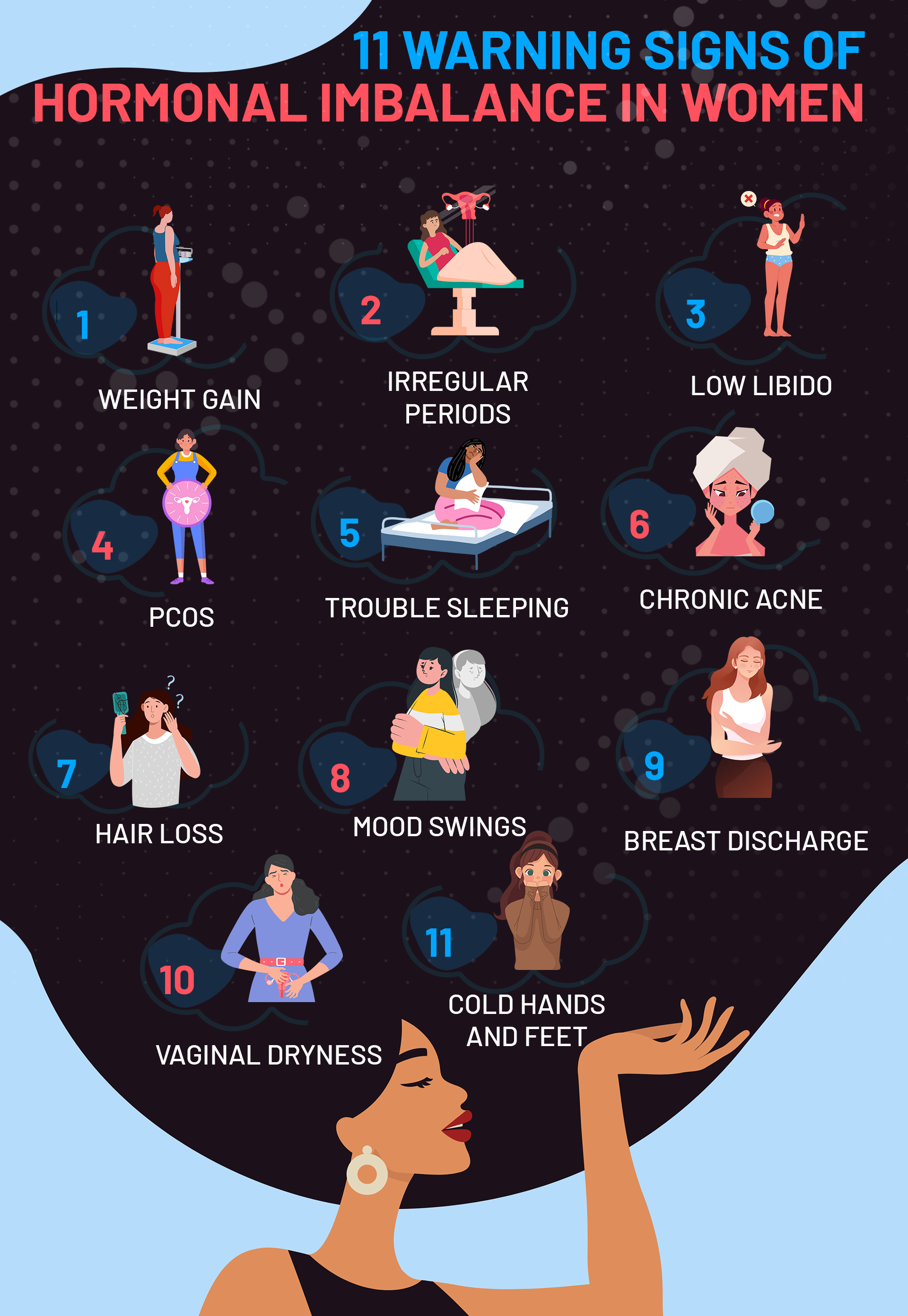
Signs of Hormonal Imbalance to Watch For
Be vigilant—these symptoms often overlap.
- Libido Changes: Reduced desire or arousal.
- Skin Issues: Acne, dryness, or pigmentation.
- Sexual Discomfort: Dryness or pain.
- General Well-Being: Fatigue, mood swings (70% in menopause).
68% ignore severe symptoms—don’t be one. Our quiz spots patterns fast.
Practical Tips to Restore Hormonal Balance
Reclaim control with these evidence-based strategies.
Diet and Lifestyle Adjustments
- Eat omega-3s and fiber to support progesterone.
- Exercise regularly to balance cortisol and boost libido.
- Prioritize sleep—disruptions worsen skin and desire.
Supplements and Therapies
Consider maca or estrogen therapies, shown to enhance desire. For skin, hyaluronic acid helps counter menopause dryness.
When to Seek Help for Hormonal Concerns
If symptoms persist, consult a pro. 32% delay due to costs, but early action prevents escalation. Prep with our Doctor Discussion Guide—free download.
Conclusion: Empower Your Hormonal Health Today
Hormones weave through your libido, skin, and sexual well-being, with 2025 data showing 54% facing intimacy impacts from imbalances and 42% noting skin sensitivity. But knowledge is power—spot causes, embrace tips, and thrive.