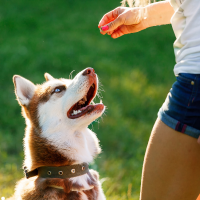
7 Proven Dog Training Tips That Actually Work — From Beginners to Experts

Picture this: Your energetic pup pulls on the leash during walks, ignores your calls at the park, or jumps on guests with unbridled enthusiasm. Frustrating, right? Yet, did you know that 94% of dog-owning households engage in at least some form of training, but only 8% seek professional obedience classes? This gap often leads to behavioral issues that strain the bond between you and your furry companion. As a pet owner, you crave a well-behaved dog who listens, stays safe, and brings joy to every moment—without endless yelling or confusion.
Enter this guide: We’ve distilled seven proven dog training tips backed by veterinary experts and real-world success stories, suitable for beginners tackling puppy basics or seasoned owners refining advanced skills. Drawing from sources like the American Kennel Club and veterinary insights, these strategies emphasize positive methods that boost effectiveness—studies show positive reinforcement is used by 99.7% of owners and leads to happier, more responsive dogs. You’ll discover how to build trust, avoid common pitfalls, and see results fast. Whether your dog is a rambunctious retriever or a shy senior, these tips will transform chaotic moments into harmonious ones. Imagine fewer vet visits for stress-related issues and more tail-wagging adventures. Ready to unlock your dog’s potential? Let’s jump in and make training a rewarding journey for both of you.
Why Mastering Dog Training Is Essential for Pet Owners
Dog training isn’t just about commands—it’s the key to a safer, happier life for your pet. Poorly trained dogs face higher risks of accidents, like running into traffic, while well-trained ones enjoy more freedom and stronger bonds with their families. Vets report that consistent training reduces behavioral problems, which affect up to 60% of dogs whose owners seek informal advice instead of pros.
For beginners, starting early prevents habits from forming; for experts, it refines skills like impulse control. The good news? Science-backed methods, like positive reinforcement, prove more effective than aversive techniques, leading to faster learning and less stress.
Tip 1: Start with Positive Reinforcement for Lasting Results

Positive reinforcement tops the list of dog tips because it rewards good behavior, making your pup eager to repeat it. Unlike punishment, which can cause fear, this method builds confidence—vets recommend it for its success in minimizing anxiety.
How to Apply This Dog Training Technique
- Choose Rewards Wisely: Use treats, praise, or toys your dog loves. For example, a high-value treat like a small piece of chicken for sitting on command.
- Time It Right: Reward immediately after the behavior to create clear associations.
- Fade Rewards Gradually: Once mastered, switch to intermittent praise to maintain the habit.
New to this? Our free positive reinforcement cheat sheet can guide you—download it now for quick wins.
Tip 2: Keep Training Sessions Short and Sweet
Long sessions lead to frustration for both you and your dog—one of the top mistakes owners make. Experts advise 5-10 minute bursts, especially for beginners, to keep focus high and prevent burnout.
Practical Steps for Effective Short Sessions
- Schedule Daily: Train before meals when your dog is motivated by hunger.
- End on a High Note: Finish with success to build positive associations.
- Mix It Up: Alternate commands to keep things engaging.
This approach mirrors how pros train, leading to better retention. If you’re struggling with timing, sign up for our mini-webinar on session planning—it’s a game-changer for busy pet owners.
Tip 3: Ensure Consistency in Commands and Rules
Inconsistency confuses dogs, slowing progress—it’s a common pitfall that frustrates many trainers. Use the same words and gestures every time, involving the whole family for unified results.
Building Consistency in Your Dog Tips Routine
- Standardize Commands: Stick to “sit” instead of alternating with “down boy.”
- Enforce Rules Everywhere: No jumping on the couch at home means no jumping anywhere.
- Track Progress: Use a journal to note improvements and adjust as needed.
Consistency boosts effectiveness by 74.2% in studies using mixed methods. For family-wide tips, grab our household training playbook—free with newsletter signup.
Tip 4: Socialize Your Dog Early and Often
Socialization prevents fear-based behaviors, a must for all levels. Expose your pup to new people, animals, and environments gradually to build resilience.
Safe Socialization Strategies
- Start Small: Introduce one new experience per session, like a short park visit.
- Use Rewards: Pair encounters with treats for positive vibes.
- Monitor Body Language: Watch for stress signs and retreat if needed.
Tip 5: Teach Impulse Control for Real-World Success

Impulse control, like “leave it,” helps dogs ignore distractions—vital for safety. Experts use this for everything from food refusal to calm greetings.
Exercises to Build Control
- Leave It Command: Place a treat on the floor; reward when ignored.
- Wait at Doors: Teach pausing before exiting to prevent bolting.
- Practice in Distractions: Gradually add challenges like other dogs.
Tip 6: Incorporate Play into Training for Fun
Turn training into games to keep your dog engaged—play-based methods make learning enjoyable. For experts, this refines skills; for beginners, it eases the process.
Fun Integration Ideas
- Fetch with Commands: Incorporate “sit” before throwing.
- Hide and Seek: Hide treats to practice recall.
- Toy Rewards: Use playtime as a motivator for obedience.
Tip 7: Avoid Punishment and Focus on Redirection
Punishment can backfire, increasing fear—opt for redirection instead. Guide your dog to better choices for positive outcomes.
Redirection Techniques
- Interrupt and Redirect: If chewing furniture, offer a toy instead.
- Ignore Bad Behavior: Withhold attention for jumping.
- Reward Alternatives: Praise the right action immediately.
Common Dog Training Mistakes and How to Dodge Them
Even pros slip up—top errors include long sessions, slow rewards, and punishing good tries. Avoid by planning ahead and staying patient.
- Too Much at Once: Break skills into steps.
- Inconsistent Timing: Reward within seconds.
- Overlooking Health: Rule out medical issues first.
Sidestepping these can double your success rate.
The Lifelong Benefits of These Proven Dog Tips
Mastering dog training leads to fewer behavioral vet visits, stronger bonds, and a more enriched life. Owners using these methods report improved well-being—your dog could be next.
Conclusion: Start Implementing These Dog Training Tips Today
You’ve got seven powerhouse dog training tips to elevate your pet’s behavior, from positive vibes to impulse mastery. These aren’t just theories—they’re proven by experts and backed by data, ready for you to apply whether you’re a newbie or pro.
Don’t let another chaotic walk pass by. Begin with one tip today, track the changes, and watch your bond strengthen. For personalized support, download our ultimate dog training e-book—packed with templates and bonuses. It’s free and could be the key to your dog’s best life. Act now; your pup is waiting!