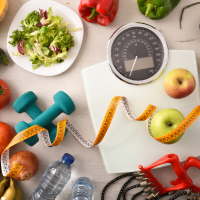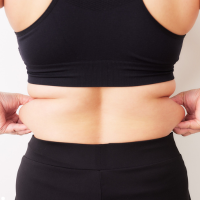
Are you tired of that stubborn belly bulge that just won’t budge, no matter how many crunches you do? If you’re between 25 and 55 and struggling to lose weight, you’re not alone. Abdominal fat, often called visceral fat, isn’t just a cosmetic concern—it’s linked to serious health risks like heart disease, diabetes, and even certain cancers. According to recent studies, about 55% of U.S. adults have high-risk waist circumferences, indicating abdominal obesity. Globally, obesity affects over 600 million adults, and for many in your age group, hormonal changes, stress, and busy lifestyles make it even harder to shed those extra inches.
I understand how frustrating this can be. You’ve probably tried fad diets or intense workouts that promised quick results but left you feeling defeated. The good news? Effective fat burning doesn’t require extreme measures. In this article, we’ll explore proven, science-backed methods to target abdominal fat loss, combining smart nutrition, targeted exercises, and simple lifestyle tweaks. By the end, you’ll have a clear, actionable plan to boost your metabolism, reduce belly fat, and feel more confident in your body. We’ll draw on real data and examples to show what works—and why. Plus, I’ll share subtle ways to integrate these strategies into your daily routine without overwhelming your schedule. Let’s dive in and turn that frustration into real progress.
Understanding Abdominal Fat: Why It’s So Stubborn
Abdominal fat isn’t like the fat on your arms or thighs. It’s deeper, surrounding your organs, and it’s more metabolically active—which means it can wreak havoc on your health if left unchecked. Research shows that visceral fat increases with age, especially in adults aged 25-55, due to factors like declining muscle mass and hormonal shifts.
What Makes Belly Fat Hard to Lose?
- Hormonal Influences: Stress hormones like cortisol encourage fat storage around the midsection.
- Genetics and Age: As we age, metabolism slows, making fat burning less efficient.
- Lifestyle Factors: Sedentary jobs and poor sleep patterns contribute significantly.
The key to effective fat loss? A holistic approach that addresses these root causes. Don’t worry—small changes can yield big results.
Diet Strategies to Accelerate Fat Burning
Your diet is the foundation of any successful fat burning plan. It’s not about starving yourself; it’s about choosing foods that fuel your body and promote fat loss. Studies emphasize that a calorie deficit combined with nutrient-dense eating leads to sustainable weight reduction.
Focus on High-Protein, Low-Carb Meals
Protein is a fat-burning powerhouse. It boosts metabolism by up to 30% during digestion and helps preserve muscle mass, which is crucial for ongoing calorie burn. Aim for lean sources like chicken, fish, eggs, and legumes.
- Example Meal: Grilled salmon with quinoa and broccoli—high in protein and fiber to keep you full.
- Tip: Swap refined carbs for veggies to reduce insulin spikes that store fat.
Incorporating these can help you burn belly fat faster. For personalized meal ideas, consider downloading our free Fat Burning Recipe Guide to get started today.
Incorporate Fat-Burning Foods
Certain foods naturally enhance fat loss. For instance, green tea’s catechins can increase fat oxidation by 17% during exercise. Other winners include:
- Chili Peppers: Capsaicin revs up your metabolism.
- Greek Yogurt: Probiotics support gut health, aiding weight loss.
- Berries: Low-calorie and packed with antioxidants to fight inflammation.
A Mediterranean-style diet, rich in these, has been shown to reduce abdominal fat effectively. Remember, consistency is key—track your intake for better results.
Exercise Routines for Targeted Belly Fat Loss
Exercise is essential for burning fat, but spot reduction is a myth. Instead, combine cardio and strength training to torch calories and build muscle. Regular activity can reduce visceral fat even without major weight loss.
Cardio Workouts to Boost Metabolism
Aerobic exercises are proven to shrink waistlines. Brisk walking for 30 minutes daily can burn up to 150 calories and target belly fat.
- Running or Jogging: High-intensity intervals (HIIT) melt fat faster.
- Cycling: Low-impact and great for beginners.
- Swimming: Full-body workout that’s easy on joints.
Start slow if you’re new to this—aim for 150 minutes of moderate cardio per week.
Strength Training to Build Fat-Burning Muscle
Building muscle increases your resting metabolic rate, helping you burn fat around the clock. Focus on compound moves:
- Deadlifts: Engage your core and back for overall strength.
- Pushups: Strengthen your upper body while tightening abs.
- Planks: Hold for 30 seconds to target deep abdominal muscles.
Research confirms that strength training reduces belly fat in adults over 40. If you’re ready to level up, our online Fat Burning Workout Program offers guided sessions tailored for your age group.
Lifestyle Changes That Enhance Fat Loss
Beyond diet and exercise, everyday habits play a huge role in fat burning. Making these adjustments can amplify your results without extra effort.
Prioritize Sleep and Stress Management
Poor sleep disrupts hormones that control hunger, leading to more fat storage. Adults aiming for weight loss should get 7-9 hours nightly. Stress reduction techniques like meditation can lower cortisol levels.
- Quick Tip: Wind down with a book instead of screens.
- Proven Benefit: Better sleep alone can improve fat loss by 20%.
Stay Hydrated and Mindful
Drinking water before meals can reduce calorie intake by 13%. Aim for half your body weight in ounces daily.
- Mindful Eating: Chew slowly to recognize fullness cues.
- Track Progress: Use apps to monitor habits for accountability.
These changes create a supportive environment for sustained fat burning.
Supplements and Tools to Support Your Journey
While no pill is a magic solution, certain supplements can aid fat loss when combined with diet and exercise. Omega-3s from fish oil reduce inflammation and support metabolism.
Consider tools like fitness trackers to stay motivated. And if you’re looking for expert guidance, sign up for our newsletter to receive a complimentary Fat Burning Toolkit with tips and resources.
Conclusion: Take Action for Lasting Fat Burning Results
You’ve now got the tools to tackle abdominal fat head-on: from protein-packed diets and dynamic exercises to smarter lifestyle habits. Remember, fat burning is a marathon, not a sprint—patience and consistency will pay off. Many in your age group have transformed their bodies by starting small, like adding a daily walk or swapping sugary snacks for berries.
Don’t wait another day to feel healthier and more energized. Download our free Fat Burning Starter Guide today and kickstart your journey. What’s one change you’ll make this week? Share in the comments below—we’re here to support you every step of the way.