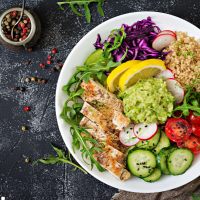
Healthy Foods for a Strong Heart: Good Fats, Fiber, and Omega-3s
Maintaining a healthy heart doesn’t require extreme diets or expensive supplements — it starts with what’s on your plate. The right foods can lower cholesterol, control blood pressure, and reduce the risk of heart disease naturally. In this article, you’ll discover the top heart-healthy foods, why nutrients like fiber, omega-3, and healthy fats matter, and how to easily include them in your daily meals.
Whether you’re already focused on your cardiovascular health or just starting your wellness journey, this guide will help you understand how simple dietary changes can have a powerful, lasting impact on your heart.
Let’s explore the best foods that nourish your body, strengthen your heart, and boost your energy — naturally.
Why a Heart-Healthy Diet Matters
Heart disease remains the leading cause of death worldwide, responsible for nearly one-third of all deaths each year, according to the World Health Organization (WHO). The good news? Most heart problems can be prevented through healthy eating habits.
A balanced diet rich in nutrients, fiber, and unsaturated fats helps maintain:
Stable cholesterol levels
Healthy blood pressure
Balanced blood sugar
Reduced inflammation
Eating the right foods daily is one of the most powerful ways to protect your heart naturally — without relying solely on medication.
The Power of “Good Fats”: Why Your Heart Needs Them
For decades, fat was considered the enemy. But now we know that not all fats are created equal. The right fats can actually improve your heart health.
1. Unsaturated Fats: The Heart’s Best Friend
Unsaturated fats help lower bad cholesterol (LDL) while raising good cholesterol (HDL). These healthy fats are found in:
Avocados 🥑
Olive oil and extra virgin olive oil
Nuts and seeds (almonds, walnuts, chia, flaxseed)
Fatty fish (salmon, sardines, mackerel, trout)
These fats reduce inflammation and improve artery flexibility, allowing blood to flow freely and lowering the risk of heart attack or stroke.
2. Avoiding Trans Fats and Processed Oils
Trans fats — often found in fast food, margarine, and processed snacks — are directly linked to heart disease and high cholesterol. Always check labels for “partially hydrogenated oils” and avoid them completely.
The Role of Fiber in a Healthy Heart
How Fiber Protects Your Heart
Fiber isn’t just for digestion — it’s a key nutrient for cardiovascular health. Soluble fiber binds to cholesterol in your digestive tract, helping to eliminate it from the body before it enters your bloodstream.
Studies show that people who consume 25–30 grams of fiber daily have significantly lower risks of heart disease and diabetes.
Top Fiber-Rich Foods:
Oats and whole grains (barley, quinoa, brown rice)
Legumes (lentils, beans, chickpeas)
Fruits (apples, pears, berries, bananas)
Vegetables (broccoli, carrots, spinach, kale)
Seeds (chia, flaxseed, sunflower seeds)
👉 Pro Tip: Try starting your day with oatmeal topped with chia seeds and blueberries — a heart-healthy breakfast packed with fiber and antioxidants.
Omega-3 Fatty Acids: Nature’s Heart Protector
Omega-3s are essential fats your body can’t produce on its own. They reduce inflammation, lower triglycerides, and help regulate heart rhythm.
Best Sources of Omega-3s:
Salmon, sardines, tuna, mackerel
Flaxseed and chia seeds
Walnuts
Algae-based supplements (for vegans)
Regular omega-3 intake can reduce the risk of sudden cardiac death by up to 30%, according to studies published in the American Journal of Clinical Nutrition.
Superfoods for Heart Health
1. Berries (Blueberries, Strawberries, Raspberries)
Rich in antioxidants called anthocyanins, berries help reduce oxidative stress and arterial stiffness.
2. Dark Chocolate (70% Cocoa or More)
In moderation, dark chocolate supports blood vessel health and increases nitric oxide, improving circulation.
3. Leafy Greens (Kale, Spinach, Arugula)
Loaded with vitamin K, nitrates, and antioxidants, leafy greens help maintain healthy blood pressure.
4. Green Tea
Green tea’s catechins help reduce cholesterol and boost metabolism, supporting both heart and weight management.
Lifestyle Tips to Complement Your Diet
A heart-healthy lifestyle goes beyond food. Combine good nutrition with daily habits like:
🏃♀️ Regular exercise: Aim for 30 minutes of movement per day.
😴 Quality sleep: 7–8 hours per night supports cardiovascular repair.
🚭 No smoking: Smoking constricts arteries and increases plaque buildup.
🧘 Stress management: Try mindfulness, yoga, or breathing exercises.
Small changes done consistently create lasting results for your heart and overall well-being.
Simple Heart-Healthy Meal Ideas
Breakfast: Greek yogurt with oats, chia, and berries.
Lunch: Grilled salmon salad with olive oil dressing.
Snack: A handful of nuts or a green smoothie.
Dinner: Quinoa bowl with beans, spinach, and avocado.
You don’t need to give up your favorite foods — just make smarter swaps that keep your heart strong.
Final Thoughts: Nourish Your Heart Naturally
Your heart works tirelessly every day — it deserves care and nourishment. By prioritizing whole foods, healthy fats, and fiber, you can protect your cardiovascular health naturally and feel more energized in the process.