Categorias
Post PH Nutrition

The Power of Superfoods: Effects and How to Use Them Daily

The Power of Superfoods: Effects and How to Use Them Daily

Your Daily Dose of Vitality: Integrating High-Impact Nutrient-Dense Foods for Maximum Health and Longevity

Introduction: Defining the Superfood Phenomenon

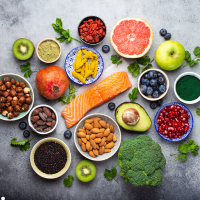
The term “superfoods” may sound like a marketing buzzword, but it refers to a scientifically backed category of foods that offer exceptional nutritional value. These are not magic bullets, but rather concentrated sources of antioxidants, vitamins, minerals, fiber, and healthy fats—nutrients essential for fighting disease, reducing inflammation, and boosting energy.

In an age where processed foods dominate, intentionally incorporating nutrient-dense foods is key to bridging nutritional gaps and achieving optimal health.

This guide will break down the true benefits of superfoods and provide practical, easy ways to use them in your everyday diet.

1. The Core Effects: Why Superfoods Matter

The powerful impact of superfoods comes from their unique chemical composition, delivering targeted benefits to the body:

  • Boosted Immune System: Rich in Vitamin C, Zinc, and carotenoids (like in berries and citrus), they fortify the body’s defenses against pathogens.
  • Reduced Inflammation: Many superfoods, such as turmeric and green tea, contain potent anti-inflammatory compounds that combat chronic inflammation, a root cause of many diseases.
  • Antioxidant Power: They are loaded with antioxidants that neutralize free radicals, protecting cells from oxidative stress and slowing the aging process.
  • Improved Gut Health: High fiber content (like in chia and flax seeds) supports a healthy microbiome and optimal digestive function.
  • Sustained Energy: Healthy fats and complex carbohydrates (like in nuts and quinoa) provide slow-releasing, consistent energy without blood sugar spikes.

2. Meet the Stars: Essential Superfoods and Their Benefits

To get the most out of your diet, focus on incorporating a diverse range of colors and categories.

Superfood CategoryKey ExamplesPrimary EffectsHow to Use Daily
BerriesBlueberries, Raspberries, AcaiHigh in antioxidants (anthocyanins), supports brain health and memory.Add a handful to oatmeal, yogurt, or smoothies.
Leafy GreensSpinach, Kale, Collard GreensRich in Vitamins K, A, and folate. Excellent for bone health and detoxification.Blend into smoothies (you won’t taste them!), or use as a base for salads.
Seeds & NutsChia Seeds, Flax Seeds, WalnutsExcellent source of Omega-3s, protein, and fiber. Promotes satiety and gut health.Mix into overnight oats, sprinkle on yogurt, or use to thicken shakes.
SpicesTurmeric, Ginger, CinnamonPowerful anti-inflammatory and digestive support.Add a pinch of turmeric to savory dishes or golden lattes.
Healthy FatsAvocado, Extra Virgin Olive OilSupports hormone health, nutrient absorption, and heart health (monounsaturated fats).Use in salads, spread on toast, or drizzle over cooked vegetables.

3. Superfoods in Practice: Simple Daily Integration

Adopting superfoods doesn’t require complex meal prep. The goal is consistency. Here are simple strategies for how to use superfoods every day:

  • The Power Smoothie: Start your day by blending spinach, berries, chia seeds, and a splash of milk/water. This covers four food groups in one go.
  • Lunch Booster: Sprinkle ground flax seeds or walnuts over your salad or soup for added fiber and Omega-3s.
  • Afternoon Snack: Swap processed snacks for a small handful of almonds and a piece of fruit, or slices of avocado with a pinch of salt.
  • Flavorful Anti-Inflammatory: When cooking rice, grains, or lentil dishes, add a teaspoon of turmeric for color and powerful anti-inflammatory benefits.

4. Addressing Gaps: The Consistency Challenge

While whole foods are always best, it can be challenging to consume the ideal variety and volume of fresh greens and exotic berries every single day. This is where modern nutritional supplements come into play, providing a convenient concentration of these vital nutrients.

 

Categorias
Post PH Nutrition

Low-Carb Diets: A Complete Guide for Beginners

Low Carb Diets: The Complete Guide for Beginners

The Secret to Healthy Weight Loss and Increased Energy Through Smart Carbohydrate Restriction

Introduction: Demystifying the Low Carb Diet

In recent years, the low carb diet has emerged from the shadow of fleeting trends and established itself as one of the most effective nutritional strategies for weight loss, blood sugar control, and increased energy. But what exactly does it mean?

Unlike “total restriction” diets, the principle of low carb (low carbohydrate) lies in the smart restriction of foods high in high-glycemic index carbohydrates (like white bread, pasta, and sugars). It prioritizes nutritious, slow-digesting carbohydrate sources (like leafy greens and vegetables) while increasing the intake of protein and healthy fats.

This complete guide is designed for you, the beginner, to understand the fundamentals, the benefits, and, most importantly, how to start low carb the right way.

1. What is Low Carb in Practice?

A diet is generally considered low carb when the daily carbohydrate intake is below 100-130 grams. This reduction has a direct impact on how your body utilizes energy.

When you decrease carbohydrate consumption:

  1. Reduced Glucose: The body produces less glucose to use as its primary fuel.
  2. Lowered Insulin: The production of insulin (the hormone responsible for storing fat) is reduced.
  3. Fat Burning: The body is “forced” to seek other energy sources, resorting to body fat reserves. This is the main mechanism for how to lose weight low carb.

The Concept of Ketosis (Optional): At more restricted levels (below 50g), the diet can lead to ketosis, a metabolic state where the body produces ketones from fat for fuel, which boosts fat burning and mental focus.

2. The Numerous Proven Benefits

Adopting a low carb lifestyle isn’t just about losing weight. The low carb benefits extend across various areas of health:

  • Effective Weight Loss: Reduced insulin and increased satiety naturally lead to a decrease in caloric intake.
  • Glycemic Control: It is extremely effective in controlling and preventing Type 2 Diabetes.
  • Greater Satiety: Protein and fats take longer to digest, keeping you full for longer and controlling hunger.
  • Increased Energy and Focus: Many report more stamina and mental clarity after adaptation.
  • Improved Lipid Profile: It can help increase HDL (good) cholesterol and decrease triglycerides.

3. Low Carb Foods: What to Eat and What to Avoid?

The secret to success for low carb beginners is to focus on allowed low carb foods, which are nutritious and delicious:

Eat Freely (Diet Foundation)Consume in Moderation (Nutritious Carbs)Avoid (High-GI Carbs)
Proteins: Meats, eggs, fish, poultry.Fruits: Berries, avocado, coconut (lower sugar content).Sugars: Sodas, industrial juices, sweets.
Fats: Olive oil, butter, coconut oil, lard.Vegetables: Broccoli, cauliflower, zucchini, peppers, squash.Grains: Wheat, rice (white and brown), corn, oats, barley.
Dairy: Hard cheeses, heavy cream, plain full-fat yogurt (unsweetened).Nuts/Seeds: Almonds, walnuts, peanuts (in small portions).Starches: Potatoes, cassava/yuca, sweet potatoes (large quantities).

4. Your Action Plan: How to Start Low Carb in 3 Steps

  1. Clean Out Your Pantry (The Purge): Remove the triggers: white flour, sugar, sodas, and processed vegetable oils. If it’s not there, you won’t eat it.
  2. Create Your Low Carb Meal Plan: Start by focusing on simple meals:
    • Breakfast: Omelet with cheese, scrambled eggs with bacon, plain full-fat yogurt.
    • Lunch and Dinner: Protein (meat, chicken, fish) + Low-starch vegetables (salads, broccoli, cauliflower).
    • Snacks: Nuts, cheese, slices of avocado.
  3. Drink Water and Include Electrolytes: The transition to fat-burning can cause an initial loss of water and minerals. Drink plenty of water and consider adding a pinch of sea salt to your water to replenish electrolytes and prevent initial discomfort (the infamous “low carb flu”).

Conclusion and Next Steps

The low carb diet is a journey of re-education that offers sustainable results and overall health improvement. Remember, success lies in consistency and planning. Start slowly, listen to your body, and celebrate small victories!

Congratulations on taking the first step! While your body adapts to burning fat, you can optimize and accelerate this process.

To boost your weight loss results, increase energy levels, and enhance mental clarity during the low carb adaptation, many experts recommend using natural thermogenics that help convert body fat into energy, a fundamental principle of the diet.

Professional Recommendation:

To supercharge your fat burning and metabolic adaptation on the Low Carb Diet, check out SMOOTHIE DIET 21 DAYS PROGRAM!

This supplement, often found on platforms like ClickBank or Digistore, is formulated with ingredients that complement the Low Carb metabolic state, helping you to:

  • Speed up your metabolism.
  • Optimize the conversion of fat into energy.
  • Reduce fatigue and increase focus.