
Categorias
Post PH Women

Female libido: Why Desire Decreases and How to Boost Sexual Pleasure in All Life Stages

Have you ever wondered why that spark of female libido seems to flicker out just when you need it most? Maybe it’s the exhaustion from daily life, those nagging mood swings, or the subtle shifts that come with aging—leaving you feeling disconnected from your own sexual pleasure. You’re far from alone. Research shows that low sexual desire affects 26.7% of premenopausal women, jumping to 52.4% in naturally menopausal women. And with up to 34% of postmenopausal women expressing dissatisfaction with their desire levels, it’s a silent struggle impacting millions.

But here’s the empowering truth: Understanding why libido female dips and learning proven ways to reignite sexual pleasure can transform your intimate life at any age. In this compassionate guide, we’ll explore the root causes—from hormonal ebbs to lifestyle factors—backed by real data and expert insights. You’ll discover natural strategies to enhance desire, real-women stories of revival, and tailored tips for phases like pregnancy and menopause. Whether you’re seeking more passion in your 20s or rediscovering intimacy post-50, this article delivers actionable advice to help you feel vibrant and connected.

Understanding Female Libido: What It Is and Why It Matters

Female Libido, or female sexual desire, is more than just a physical urge—it’s a blend of emotional, hormonal, and psychological factors driving sexual pleasure. When it’s thriving, it boosts confidence, strengthens relationships, and enhances overall well-being.

The Prevalence of Low Libido in Women

Statistics reveal that about one in ten women experience hypoactive sexual desire disorder (HSDD), making it one of the most common sexual health concerns. Over 70% of women report dissatisfaction at some point. Ignoring it can strain partnerships, but addressing it early fosters deeper connections.

Common Causes of Decreased Female Libido

Dips in Female Libido aren’t random; they’re often tied to identifiable triggers. Let’s break them down empathetically—knowing the why is the first step to revival.

Hormonal Fluctuations and Life Changes

Hormone shifts during perimenopause, menopause, pregnancy, or postpartum can plummet estrogen levels, reducing sexual pleasure. Medications like antidepressants or birth control also play a role.

Lifestyle and Psychological Factors

Stress, anxiety, and fatigue top the list, with relationship issues close behind. Poor body image or past trauma can further dampen desire. Real example: Women in high-stress jobs often report 30% lower libido due to cortisol overload.

How Female Libido Changes Across Life Stages

Infographic showing how age affects female sexual health and libido.

Your Libido Female evolves with you, influenced by biology and circumstances. Here’s a stage-by-stage look.

During Pregnancy and Postpartum

Libido often fluctuates: Dips in the first trimester due to nausea, peaks in the second with increased blood flow, and lows postpartum from fatigue. Up to 50% of pregnant women experience changes.

In Perimenopause and Menopause

Estrogen decline can reduce desire and cause dryness, affecting 75% of women. Yet, many find renewed sexual pleasure post-menopause with targeted support.

Adulthood and Beyond

In your 20s-30s, stress might dominate; in 40s+, hormones shift. Adapt with empathy—thousands have boosted desire through lifestyle tweaks.

Signs Your Female Libido Needs Attention

Spotting low Female Libido early prevents bigger issues. Common red flags include:

  • Reduced Interest in Intimacy: Avoiding touch or fantasies.
  • Difficulty Arousing: Even with stimulation.
  • Emotional Disconnect: Feeling distant from partners.
  • Physical Discomfort: Dryness or pain during sexual pleasure.

Natural Ways to Boost Female Libido and Enhance sexual pleasure
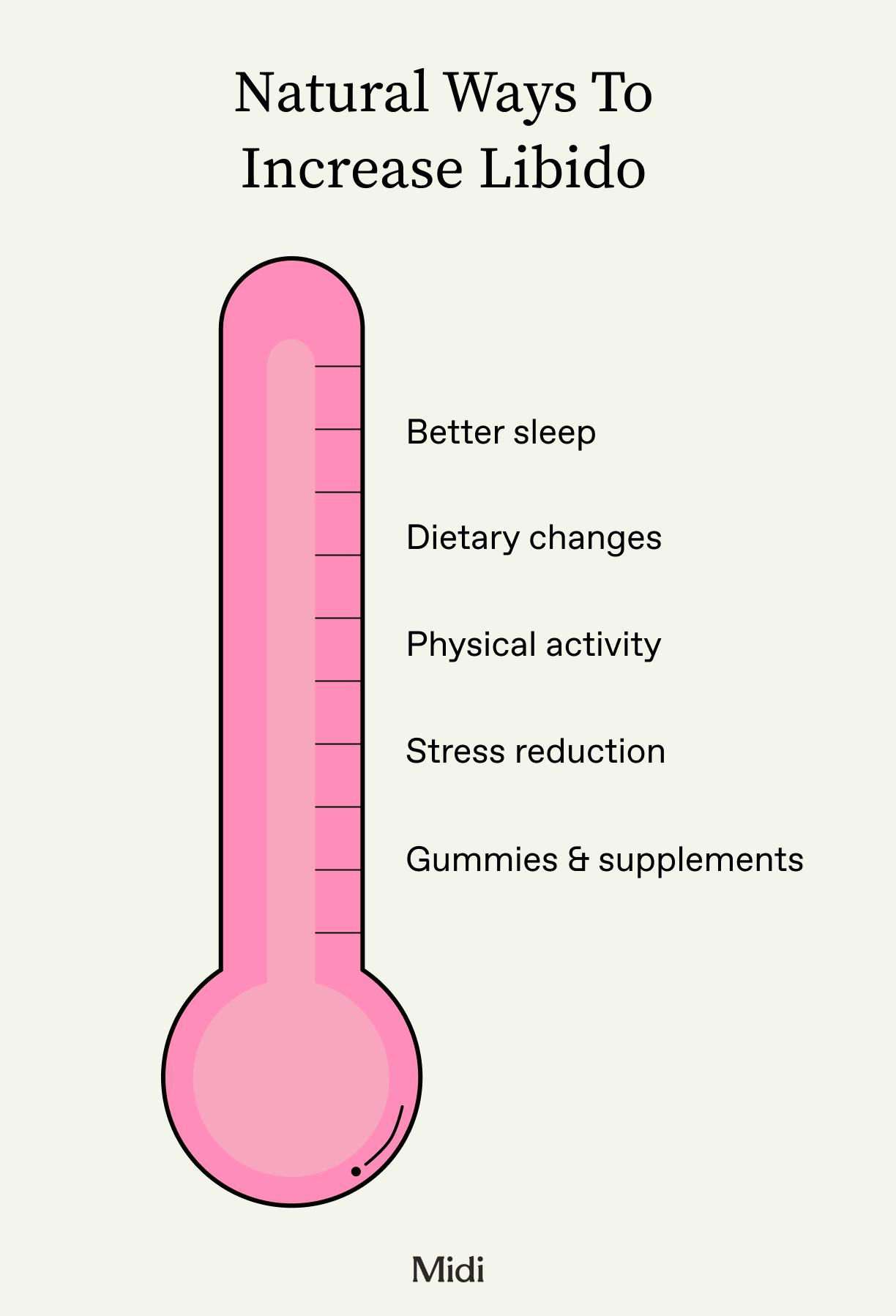
Natural ways to increase libido, including diet, exercise, and supplements.

Reigniting Female Libido naturally is empowering and effective. Here’s how, with evidence-based tips.

Dietary and Supplement Strategies

Incorporate aphrodisiacs like chocolate, figs, and oysters to spark desire. Supplements such as maca, fenugreek, or L-arginine show promise in boosting libido.

  • Maca Root: Enhances energy and desire.
  • Ginseng: Improves blood flow for better sexual pleasure.
  • Fenugreek: Supports hormone balance.

Studies indicate these can increase satisfaction by 35%.

Exercise and Stress Reduction

Regular activity—like yoga or walking—reduces stress and boosts endorphins, lifting female libido by 50% in some women. Mindfulness cuts anxiety, enhancing intimacy.

Intimacy-Building Practices

Prioritize affection: Holding hands or date nights reignites sparks. Sex toys or lubricants address dryness, making sexual pleasure enjoyable again.

Medical Options for Reviving Female Libido

When natural methods aren’t enough, professional help shines.

Hormone Therapies and Medications

Hormone replacement can restore estrogen, improving desire in menopausal women. Options like Addyi or Vyleesi target brain chemistry.

Therapy and Counseling

Talk therapy addresses psychological barriers, with 80% success in relationship-focused sessions.

Real Stories: Women Who Reclaimed Their sexual pleasure

Inspirational tales abound. One woman in her 40s, post-pregnancy, boosted female libido with ginseng and exercise, reporting doubled satisfaction. Another menopausal reader shared: “Supplements and mindfulness changed everything—I’m thriving!”

These echo studies where estrogen therapies increased desire significantly. You’re capable of the same.

Daily Habits to Sustain High Female Libido

Maintain gains with these routines:

  • Prioritize Sleep: 7-9 hours regulates hormones.
  • Stay Hydrated: Reduces dryness for better sexual pleasure
  • Communicate Openly: Builds emotional intimacy.

Conclusion: Ignite Your Female Libido Today

From hormonal shifts causing dips in female libido to natural boosters enhancing sexual pleasure, you’ve got the tools to flourish at every stage. With 1 in 10 women facing HSDD, know you’re supported. Don’t let desire fade—embrace vitality.
 
Categorias
Post PH Women

Intimate Health: Understanding the Menstrual Cycle, PMS, and Menopause for Women

Imagine waking up every month dreading the bloating, mood swings, and cramps that hijack your life—or facing the hot flashes and sleep disruptions that make menopause feel like an endless battle. Sound familiar? You’re not alone. Did you know that 90% of women experience PMS symptoms at some point, while menopause affects every woman eventually, with 75% reporting severe disruptions to daily life? These aren’t just “normal” phases—they’re key aspects of women’s intimate health that impact your energy, relationships, and confidence.

In this empathetic, expert guide, we’ll walk you through the menstrual cycle, TPM (PMS), and menopausa with clarity and compassion. You’ll uncover the science behind each stage, spot warning signs early, and discover practical tips to ease discomfort and reclaim your vitality. Backed by real stats and stories from women like you, this article empowers you to prioritize your women’s intimate health. By the end, you’ll have actionable steps to feel balanced and in control—no more suffering in silence. Ready to transform your intimate health? Let’s start with our free Menstrual Cycle Tracker—download it now and begin journaling your journey today.

What Is Intimate Health and Why Focus on Cycle Menstrual, TPM, and Menopausa?

Women’s intimate health is the foundation of your well-being, encompassing reproductive health, hormonal balance, and emotional harmony. The menstrual cycle, TPM, and menopausa are its core phases—natural yet often challenging.

The Hidden Impact on Women’s Lives

Studies show menstrual cycle irregularities affect 14-25% of women, leading to missed workdays and anxiety. TPM strikes 75-85% monthly, while menopausa symptoms disrupt sleep for 61% of women. Ignoring these erodes confidence, but addressing them boosts quality of life by up to 40%.

Think of Maria, a 35-year-old teacher who tracked her menstrual cycle and reduced TPM severity by 50% with simple tweaks. You can too—start with our free tracker for personalized insights.

Breaking Down the Menstrual Cycle: Phases and What to Expect

The ciclo menstrual is a 28-day rhythm (give or take) orchestrated by estrogen and progesterone. Understanding it demystifies irregularities.

Key Phases of Your Menstrual Cycle

  • Menstrual Phase (Days 1-5): Shedding the uterine lining; expect cramps and fatigue.
  • Follicular Phase (Days 6-14): Estrogen rises, boosting energy and mood.
  • Ovulation (Day 14): Egg release; fertile window with possible twinges.
  • Luteal Phase (Days 15-28): Progesterone peaks, prepping for TPM.


Common Menstrual Cycle Disruptions

Irregular flows? Stress or diet could be culprits, affecting 1 in 5 women. Spot patterns early to prevent bigger issues like PCOS.

TPM Explained: Symptoms, Causes, and Real Relief Strategies

TPM (Pré-Menstrual Tension, or PMS) hits in the luteal phase, turning capable women into emotional rollercoasters. But relief is closer than you think.

Top 5 TPM Symptoms Women Face

  1. Mood Swings: Irritability affects 64%.
  2. Bloating and Cramps: Water retention doubles in severity for many.
  3. Breast Tenderness: Hormonal surges cause pain in 50%.
  4. Food Cravings: Sweet tooth? Blame serotonin dips.
  5. Fatigue: Sleep quality drops by 30%.

Proven Ways to Ease TPM Naturally

  • Diet Tweaks: Cut caffeine; add magnesium-rich foods (reduces symptoms by 35%).
  • Exercise: 30 minutes daily cuts TPM intensity by 50%.
  • Supplements: Evening primrose oil helps 80% of users.


Navigating Menopausa: Symptoms, Timeline, and Empowerment Tips

Menopausa marks the end of cycles (age 45-55 average), but symptoms can start a decade earlier in perimenopause. It’s not “the end”—it’s a powerful transition.

Menopausa Timeline and Hallmark Signs


StageAge RangeKey Symptoms
Perimenopause40-50Irregular periods, hot flashes (75% affected)
Menopause12 months no periodVaginal dryness, low libido
Postmenopause50+Bone loss risk; mood stabilization
 

Real story: At 48, Lisa tackled hot flashes with black cohosh, regaining restful nights. Science backs it—reduces flashes by 26%.

Holistic Menopausa Management

  • Hormone Therapy: Eases symptoms for 90%, per experts.
  • Lifestyle: Soy foods balance estrogen; weight training preserves bones.
  • Mindfulness: Cuts anxiety by 40%.

Connecting Ciclo Menstrual, TPM, and Menopausa for Total Intimate Health

These phases aren’t isolated—they build on each other. Menstrual cycle irregularities predict tougher TPM, while early menopausa prep eases the shift. Track holistically: 82% of women see improvements with integrated care.


When to See a Doctor for Your Intimate Health Concerns

Red flags demand action: Severe TPM lasting >10 days, cycles <21/>35 days, or menopausa bleeding. Early visits prevent 70% of complications.

.

Daily Habits for Lifelong Menstrual Health and Beyond

Sustain intimate health with these easy wins:

  • Hydrate: 2L water daily reduces TPM bloating.
  • Sleep: 7-9 hours regulates all phases.
  • Stress Buster: 10-min meditation app—proven to balance hormones.

Conclusion: Embrace Your Intimate Health Journey Today

From the rhythmic dance of the menstrual cycle to the emotional waves of TPM and the empowering shift of menopausa, your women’s intimate health is your superpower. You’ve got the knowledge: 90% face TPM, but 80% thrive with the right tools. No more hiding—step into balance, energy, and joy.

Categorias
Post PH Women

Hormones: Recognizing Symptoms of Hormonal Imbalance in Women

Have you ever felt like your body is playing a mysterious game, where mood swings hit out of nowhere, your energy tanks without warning, or your cycles seem completely unpredictable? You’re not alone. Statistics show that up to 80% of women experience some form of hormonal imbalance during their lifetime, often without even realizing it. These tiny chemical messengers—hormones—regulate everything from your metabolism and sleep to your reproductive health and emotional well-being. When they’re out of sync, it can feel like your whole life is thrown off balance.

In this comprehensive guide, we’ll dive deep into the world of hormonal health specifically for women. You’ll learn to spot the subtle (and not-so-subtle) signs of imbalance, understand the root causes, and discover practical steps to regain control. Whether you’re dealing with persistent fatigue, irregular periods, or unexplained weight changes, this article will equip you with the knowledge to take action. By the end, you’ll feel empowered to prioritize your hormonal harmony and potentially transform your daily life. Plus, if you’re ready to go further, we’ll share tips on accessing resources like our free hormonal health checklist to start your journey today.

What Is Hormonal Imbalance and Why Does It Matter?

Hormonal imbalance occurs when your body produces too much or too little of key hormones like estrogen, progesterone, cortisol, or thyroid hormones. These fluctuations can stem from natural life stages or external factors, disrupting your body’s delicate equilibrium.

The Prevalence Among Women

Did you know that nearly half of women report being affected by hormonal issues, with common complaints including mood swings (56%) and weight gain (54%)? Conditions like polycystic ovary syndrome (PCOS) alone impact 6-13% of reproductive-aged women, and up to 70% go undiagnosed. This isn’t just a statistic—it’s a reality that affects energy levels, fertility, and overall quality of life.

Ignoring these signs can lead to long-term issues like infertility or chronic fatigue. But the good news? Early recognition and simple adjustments can make a world of difference. If you’re noticing patterns in your health, consider tracking your symptoms with a journal or app—it’s a small step toward reclaiming your vitality.

Common Causes of Hormonal Imbalance in Women

Understanding the triggers is the first step to resolution. Hormonal shifts aren’t random; they’re often linked to lifestyle, environment, or medical factors.

Lifestyle and Environmental Factors

Chronic stress tops the list, as it spikes cortisol levels, throwing off estrogen and progesterone balance. Poor diet, lack of exercise, or excessive workouts can also disrupt hormones. For instance, diets high in processed foods may contribute to insulin resistance, a precursor to PCOS.

Environmental toxins like endocrine disruptors in plastics and cosmetics mimic hormones, leading to imbalances. Real-world example: Women exposed to high levels of BPA (found in some plastics) show altered estrogen activity.

Life Stages and Medical Conditions

Natural transitions like puberty, pregnancy, perimenopause, and menopause naturally fluctuate hormones. However, conditions such as thyroid disorders or PCOS amplify these effects. Hormonal imbalances are the leading cause of infertility in women, highlighting the need for awareness.

If stress or diet resonates with you, why not start with a quick self-assessment? Download our free guide on natural hormone-balancing foods to see how small changes can help.

Key Symptoms of Hormonal Imbalance to Watch For

An infographic illustrating common symptoms of hormonal imbalance in women.

Symptoms can be sneaky, often mistaken for “just life.” But paying attention can reveal patterns tied to your hormones.

Physical Signs

  • Irregular or Heavy Periods: Missed cycles or excessive bleeding affect many women, often signaling estrogen dominance.
  • Weight Fluctuations: Unexplained gain around the midsection could point to cortisol or thyroid issues.
  • Skin Problems: Acne, especially along the jawline, or dry skin may indicate androgen excess.
  • Fatigue and Sleep Issues: Constant tiredness, even after rest, is a red flag for progesterone imbalance.

Emotional and Mental Symptoms

  • Mood Swings and Anxiety: Hormones influence serotonin; imbalances can cause irritability or depression.
  • Low Libido: Decreased sex drive often links to low estrogen or testosterone.
  • Brain Fog: Difficulty concentrating? It might be tied to hormonal dips during menstrual cycles.

Up to 90% of adolescent girls experience menstrual disorders, which can persist into adulthood if unaddressed. If these sound familiar, consulting a healthcare provider is key.

The Impact of Hormonal Imbalance on Daily Life

Beyond symptoms, imbalances ripple through your routine. Imagine starting your day exhausted, battling mood dips at work, or feeling disconnected in relationships due to low energy.

For many, it affects productivity—women with PCOS report higher absenteeism from work. Fertility struggles add emotional strain, with hormonal issues causing up to 30% of infertility cases.

But there’s hope: Addressing imbalances can boost energy, stabilize moods, and enhance well-being. Picture waking up refreshed and confident—it’s achievable with the right approach.

How to Diagnose Hormonal Imbalance

Diagnosis starts with listening to your body. Track symptoms for a month, noting cycles and triggers.

Professional Testing

See a doctor for blood tests measuring hormone levels like FSH, LH, and thyroid function. Saliva or urine tests can provide insights into cortisol patterns.

For complex cases, ultrasounds detect conditions like PCOS. Early diagnosis prevents complications, so don’t hesitate to seek help.

Ready to get started? Our hormonal health quiz can guide you on what to discuss with your doctor—sign up for it free today.

Effective Treatment Options for Hormonal Balance

Treatment varies by cause but often combines medical and natural methods.

Medical Interventions

  • Hormone Replacement Therapy (HRT): Useful for menopausal symptoms, balancing estrogen and progesterone.
  • Medications: Birth control pills regulate cycles; metformin helps with PCOS-related insulin issues.
  • Thyroid Treatments: Levothyroxine for hypothyroidism.

Always consult a specialist for personalized plans.

Natural Remedies

Supplements like vitamin D or omega-3s support hormone production. Acupuncture and yoga reduce stress, aiding balance.

Real example: A study showed women with PCOS improved symptoms through diet and exercise alone.

Lifestyle Tips to Maintain Hormonal Harmony

Prevention is powerful. Incorporate these habits for long-term balance.

  • Balanced Diet: Focus on whole foods, healthy fats, and fiber to stabilize blood sugar.
  • Regular Exercise: Aim for 150 minutes weekly; mix cardio with strength training.
  • Stress Management: Practice mindfulness or meditation to lower cortisol.
  • Quality Sleep: 7-9 hours nightly regulates hormones.

Track progress and adjust as needed. For more tips, grab our free e-book on daily hormone-boosting routines.

Conclusion: Take Charge of Your Hormonal Health Today

Hormonal imbalance doesn’t have to define your life. By recognizing symptoms like irregular periods, fatigue, and mood swings, understanding causes such as stress and PCOS, and exploring treatments from lifestyle tweaks to medical options, you can restore balance and thrive.

Remember, 80% of women face this—you’re in good company. Don’t wait for symptoms to worsen. Take the first step: Download our free Hormonal Balance Guide now and start feeling like yourself again. Your body will thank you.