Categorias
Uncategorized

[4nt] Incredible Paris

Incredible Paris

Some links in this guide are affiliate links. If you book through them, we may earn a small commission at no extra cost to you. It helps keep this site running, and we only point you to things worth your time.

After dark, at the top of every hour, the Eiffel Tower breaks into five minutes of sparkling light. Couples on the bridges stop talking. Strangers on the riverbank stop walking. For a moment, the whole city seems to agree that this is the most romantic place on earth.

That moment is real, but it does not happen by accident. Paris rewards couples who plan the right few things and leave the rest open. This guide gives you a realistic three-day plan, the booking tips that save you hours in queues, and honest advice on what to skip, so your trip feels like a love story and not a checklist.

Paris for couples at a glance

  • Ideal length: 3 to 4 days. Add a fifth if you want Versailles and Disneyland Paris.
  • Best months: April to June and September to October. December has beautiful lights but is colder and busier.
  • Book ahead: the Eiffel Tower, the Louvre and any Seine dinner cruise.
  • Getting around: the Metro and your own feet. Paris is walkable and best seen that way.

Before you book: entry rules and timing

Europe is introducing new entry systems for visitors from visa-free countries, including a travel authorization called ETIAS. Its start date has changed several times, so do not rely on old articles, including older versions of this one. Check the official EU travel site shortly before you book and again before you fly.

Check the official EU entry rules

On timing, spring is the sweet spot for blossom and long evenings. September and October are calmer and golden. In August, some small local shops and restaurants close for vacation, so the city feels different. Whenever you go, bring comfortable shoes. You will walk much more than you expect.

Your 3-day romantic Paris itinerary

This plan groups places by neighborhood so you spend your time together, not on the Metro.

Day 1: The Eiffel Tower and the Seine

  • Morning: Start with coffee and a croissant from a neighborhood bakery, then walk to Trocadéro. It gives you the best full view of the Eiffel Tower, and you will be in every photo with it.
  • Midday: Visit the tower itself. Book a timed ticket in advance, because same-day queues can be long. You can take the stairs to the second level or the lift to the top.
  • Afternoon: Walk along the Seine, hand in hand, past the bookstalls and historic bridges.
  • Evening: Take a Seine river cruise at sunset. A dinner cruise is a splurge, but it works for an anniversary or proposal. Aim to be on the water when the tower begins to sparkle.
Browse Eiffel Tower tickets See Seine river cruises

Day 2: Art, islands and gardens

  • Morning: The Louvre. Do not try to see it all. Choose a short list (the Mona Lisa, the Venus de Milo and a gallery or two that interest you) and enjoy them properly. Reserve a timed entry in advance, and confirm the closing day and current ticket rules on the official site.
  • Midday: Walk through the Tuileries Garden toward the river and cross to the Île de la Cité, where Notre-Dame and Sainte-Chapelle stand a few minutes apart.
  • Lunch: A picnic in the Luxembourg Gardens. Buy a baguette, cheese and fruit from a market or bakery, then find a chair by the fountain. It is the simplest and most Parisian lunch you can have.
  • Evening: Dinner in the Latin Quarter or Saint-Germain, with a glass of wine and no hurry.
Check Louvre tickets and tours

Day 3: Panoramas and Montmartre

  • Morning: Climb the Arc de Triomphe for a view straight down the Champs-Élysées. Do not skip this. It is one of the best panoramas in the city, and it often has shorter lines than the Eiffel Tower.
  • Afternoon: Head to Montmartre. Wander the steep lanes, visit the Sacré-Cœur and watch the artists in the square.
  • Evening: Dinner at a small bistro, where the candlelit tables and narrow streets do the rest. Walk back down the hill slowly.

Worth adding if you have more time

Versailles

The Palace of Versailles is spectacular, but it is a half-day to a full day trip, not a quick add-on. It is about 40 minutes from central Paris by train, and the palace is closed on certain days, so check before you go. A guided tour or skip-the-line ticket helps a lot in busy months, since the palace and the gardens are huge.

See Versailles day trips

Disneyland Paris

For some couples, especially honeymooners who love the magic, a day at Disneyland Paris is the highlight. It needs a full day and an early start. Buy your tickets in advance, and do not try to squeeze it into a day with other sights.

Browse Disneyland Paris tickets

Romantic touches that cost almost nothing

  • Sunset on the Pont des Arts or Pont Neuf. Bring a small bottle of wine, or simply sit by the river.
  • A walk through Montmartre early in the morning. Without the crowds, it feels like a village.
  • A morning market. Wander a street market, taste cheese and pick up flowers.
  • The Eiffel Tower sparkle. Watch it from Trocadéro or the Champ de Mars after dark. It is free.

Practical tips that save you stress

  • Say “Bonjour” first. Greeting shopkeepers and waiters this way changes how you are treated.
  • Watch your belongings. Pickpockets work crowded places like the Metro and major attractions. Keep bags zipped in front of you.
  • Dinner is late. Many restaurants open for dinner around 7 pm. Book popular places ahead, especially on weekends.
  • Tipping is optional. Service is normally included in the bill. Small change for good service is a courtesy, not a rule.
  • Check closing days. Major museums and palaces close one day a week, and the day differs. Confirm each one before you plan your days.

Frequently asked questions

How many days do I need in Paris for a romantic trip?

Three days covers the main highlights at a relaxed pace. Four or five lets you add Versailles or Disneyland Paris without rushing.

What is the best time of year for a honeymoon in Paris?

April to June and September to October offer the best mix of weather and manageable crowds. December is also magical for its lights.

Should I book Eiffel Tower and Louvre tickets in advance?

Yes. Both use timed entry and can sell out in busy periods, so booking ahead saves time and stress.

Is Paris walkable for couples?

Very. Most of the central sights are within walking distance, and the Metro fills the gaps.

Ready to plan your trip?

Browse tours, tickets and experiences in Paris, and lock in the popular ones before they sell out.

Explore Paris tours and tickets

Paris does not ask you to see everything. It asks you to slow down, hold hands, and let one perfect evening become the story you tell for years. Book the essentials, leave room for wandering, and the city will do the rest.

Last updated: October 2026. Rules, prices and opening times change, so always confirm on official websites before you travel.
Categorias
Uncategorized

[4nt] Exploring London

Exploring London

Some links in this guide are affiliate links. If you book through them, we may earn a small commission at no extra cost to you. It helps keep this site running, and we only point you to things worth your time.

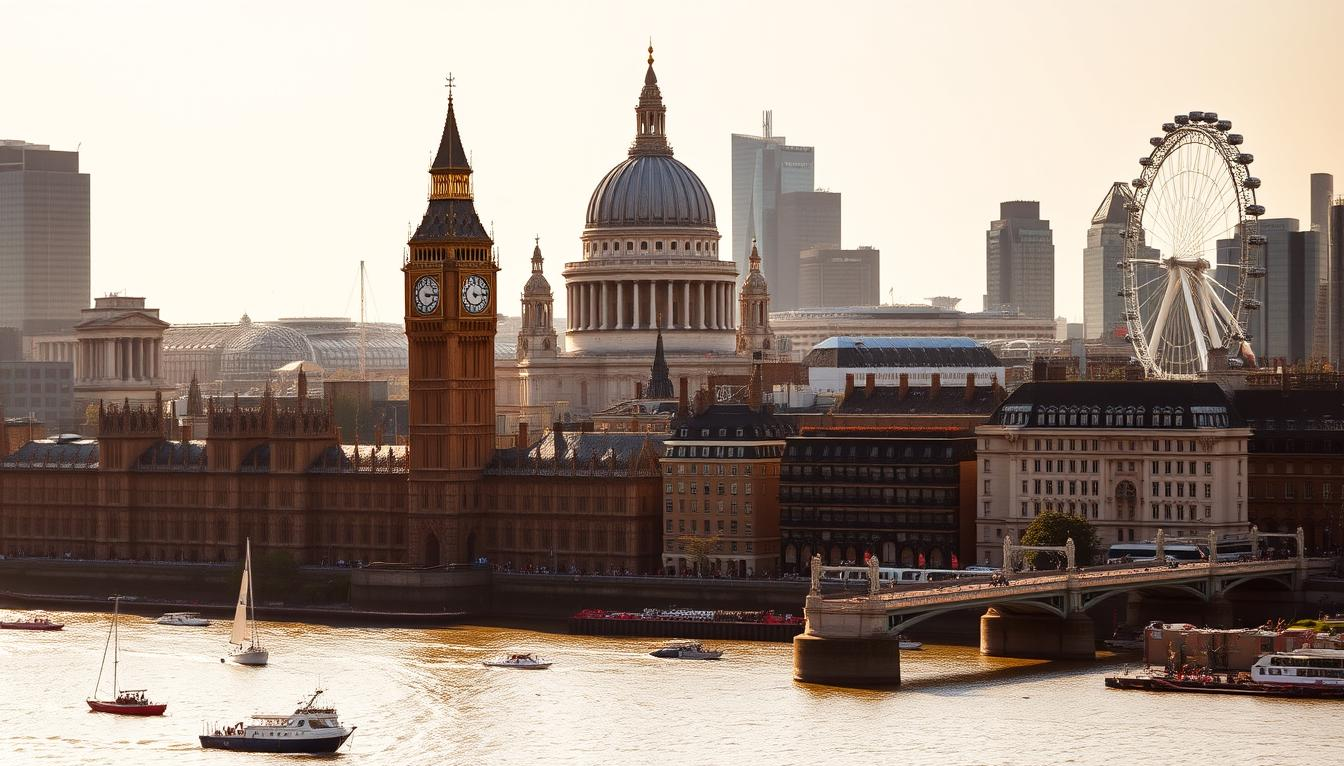
You step out of the Tube at Westminster, and Big Ben is simply there, taller than every photo made it seem. A red bus rolls past. Somewhere behind you, a street musician is playing under a bridge that has stood for more than a century. London does that to first-time visitors: it hands you a postcard before you have even found your bearings.

It can also overwhelm you. The city is huge, the Tube map looks like a bowl of noodles, and every attraction wants you to book a month ahead. This guide cuts through that. You will find what changed in the entry rules, how to move around without wasting money, a three-day plan that actually flows geographically, and the mistakes that cost first-timers the most time.

Big Ben and Westminster Bridge at sunrise with a red double-decker bus crossing
Westminster Bridge early in the morning, before the crowds arrive.

London at a glance

  • Entry: Most visa-free visitors, including Americans, Canadians and Brazilians, now need an approved ETA before flying.
  • Ideal trip length: 4 to 5 days. Three is the minimum to feel you have really seen it.
  • Best months: April to June and September to October for the best mix of weather and manageable crowds.
  • Getting around: Tube, buses and your own two feet. Skip the car entirely.

Before you book: the ETA and when to go

The entry rule that catches people out

Many older guides still say you can just show up with a passport. That is out of date. The UK now requires an Electronic Travel Authorisation (ETA) for visitors from visa-free countries, and since late February 2026 airlines check it before you board. No ETA, no flight.

The process is short: apply through the official UK ETA app or on GOV.UK, pay the fee, and wait for approval, which usually arrives quickly but can take a few working days. Apply well before your trip, not at the airport. Also watch out for copycat websites that charge extra for the same form. Use only the official government channels, and check the current fee and validity there.

Apply for your UK ETA on GOV.UK

The best time to visit London

Spring (April to June) brings blossom in the parks and long evenings. Early autumn (September and October) is quieter, and the light on the Thames turns golden. Summer is lively but busy and pricier. November and December trade sunshine for Christmas lights and seasonal markets, which many travelers find worth it. Whatever the month, pack layers and a small umbrella. London weather changes its mind several times a day.

Getting around without stress

Forget paper tickets: just tap

The easiest way to pay for the Tube, buses and many trains is a contactless bank card or phone. Tap on the yellow reader when you enter, and tap again when you exit. Always use the same card or device for the whole journey. Daily and weekly caps mean you will not pay more than the capped amount, so you do not need to work out the cheapest ticket yourself. An Oyster card works the same way, but for most visitors a contactless card is simpler. Check whether your bank charges foreign transaction fees before you rely on it.

From the airport into the city

From Heathrow, the Elizabeth line and the Heathrow Express are the fastest options. The Piccadilly line is slower but usually cheaper. From Gatwick and Stansted, take the direct trains to central London. Check current times and prices on the official operators’ websites.

Three habits that make the Tube easy

  • Stand on the right of the escalator. People in a hurry walk on the left, and they will not be shy about asking you to move.
  • Avoid rush hour (roughly 7:30 to 9:30 in the morning and 5 to 7 in the evening) when you can.
  • Use a map app. Google Maps and Citymapper handle live disruptions much better than your memory of the Tube map.

Buses are slower but you see the city from a window seat, and the upper deck at the front is the best free sightseeing seat in London. For a more relaxed view of the skyline, a Thames river cruise connects several major sights from the water.

Browse Thames river cruises

The landmarks worth your time

Tower of London

Nearly a thousand years of royal drama sit inside these walls: a fortress, a palace, a prison, and today the home of the Crown Jewels. The Yeoman Warders (the “Beefeaters”) give lively tours that are well worth joining, and the resident ravens are part of the legend. Go as early as you can, make the Crown Jewels your first stop before the queue builds, and leave time to walk the battlements toward Tower Bridge.

Check Tower of London tickets
Tower Bridge seen from the walls of the Tower of London
Tower Bridge from the Tower’s walls. Allow at least half a day for the Tower.

Westminster: Big Ben, the Abbey and Parliament

This is the most photogenic square mile in the city. Westminster Abbey has hosted coronations and royal weddings for centuries. Next door, the Houses of Parliament offer guided tours on selected days, so check the calendar before you go. Cross Westminster Bridge for the classic view back toward Big Ben.

Buckingham Palace

The palace is the King’s official London residence. Visitors can tour the State Rooms during the summer opening and on some other dates, but the private apartments are not open to the public. The Changing of the Guard takes place on selected days, not daily, and it gets crowded, so confirm the schedule before you plan around it. Arrive early for a spot with a view, or simply enjoy the palace from the quieter side of St James’s Park.

St Paul’s Cathedral

Christopher Wren’s dome dominates the skyline. If you can handle the stairs, climb up for a panoramic view of the city. You will pass the Whispering Gallery on the way, where a murmur on one side carries clearly to the other.

Free and brilliant: London’s museums

This is where London beats almost every other big city for value. Entry to the permanent collections is free at the British Museum, the National Gallery, Tate Modern, the Natural History Museum, the Science Museum and the V&A. Special exhibitions usually cost extra and are worth booking ahead.

MuseumGo if you loveDon’t miss
British MuseumAncient historyThe Rosetta Stone and the Egyptian galleries
National GalleryClassic paintingVan Gogh, Monet and da Vinci, right on Trafalgar Square
Tate ModernContemporary artThe view from the viewing level
Natural History MuseumFamilies and dinosaursThe Hintze Hall and the dinosaur gallery
V&ADesign and fashionThe fashion and jewellery collections

The tip most visitors miss: Don’t try to see a whole museum. Pick two or three rooms, enjoy them properly, and leave while you still have energy.

What to eat and drink

Forget the old joke that British food is boring. London is one of the most diverse food cities on earth, and the best meals are often the least fancy.

  • Borough Market: Go hungry. Grazing from stall to stall makes a perfect lunch.
  • Fish and chips: Order it from a proper chippy, with mushy peas if you are brave.
  • A traditional pub: Order at the bar, not at the table. Historic options include Ye Olde Cheshire Cheese off Fleet Street and The Spaniards Inn in Hampstead.
  • Sunday roast: The weekly ritual. Book ahead, since good pubs fill up.
  • Curry near Brick Lane and dim sum in Chinatown: Proof that London’s food story is global.
  • Afternoon tea: A splurge, but a memorable one. Book well ahead, and expect to dress a little smarter.
Find afternoon tea and food tours

A small practical note: many restaurants add a service charge to the bill, so check before you tip on top.

Beyond the postcard: neighborhoods worth a detour

  • Shoreditch and Brick Lane: Street art, vintage shops and late-night food.
  • Notting Hill: Pastel houses and Portobello Road Market, best on a Saturday.
  • Greenwich: Cross the river to stand on the Prime Meridian and enjoy the view from the park hill. It makes a great half-day by boat or train.
  • Camden: Markets, music history and canal walks.
  • Brixton and Peckham: South London energy, great street food and a local feel.

A 3-day London itinerary for first-timers

This plan groups sights by area, so you spend your time exploring instead of crossing the city.

Day 1: Royal London

  • Morning: Westminster Abbey, Houses of Parliament and Big Ben
  • Midday: Walk through St James’s Park to Buckingham Palace
  • Afternoon: Trafalgar Square and the National Gallery
  • Evening: Dinner in Covent Garden, then a West End show

Day 2: Historic London and the river

  • Morning: Tower of London, then Tower Bridge
  • Midday: Lunch at Borough Market
  • Afternoon: Walk the South Bank past Shakespeare’s Globe to Tate Modern
  • Evening: Free sunset views from the Sky Garden (book your free slot ahead of time)

Day 3: Culture and neighborhoods

  • Morning: British Museum, focusing on a few key galleries
  • Afternoon: Soho and Chinatown for lunch and wandering
  • Late afternoon: St Paul’s Cathedral, then a stroll across the Millennium Bridge
  • Evening: Dinner in Shoreditch or a classic pub

Have a fourth day? Spend it in Greenwich, at Notting Hill or on one of the day trips below.

West End shows without the full price

Theatre is a London highlight, and you can often save. Check the TKTS booth in Leicester Square, theatre box offices for same-day returns, and digital lotteries or rush tickets offered by many shows. Long-running hits like The Lion King and Les Misérables sell out in peak season, so book those early.

Browse London shows and experiences

Easy day trips from London

One of London’s best secrets is how many classic English scenes sit just a train ride away.

  • Windsor: A royal castle and a pretty riverside town, under an hour by train.
  • Oxford: Honey-colored colleges and cobbled lanes, about an hour by train.
  • Cambridge: Punting on the river and centuries of university history.
  • Bath and Stonehenge: Roman baths and an ancient mystery, often combined on one tour.
  • The Cotswolds: Storybook villages that are much easier on a small-group tour than by public transport.
See day trips from London

Five mistakes that cost first-timers time and money

  1. Arriving without an ETA. Apply early on the official site.
  2. Cramming too much into one day. London is big. Two or three highlights a day is plenty.
  3. Skipping advance booking for the Tower, big exhibitions and popular shows.
  4. Staying far from a Tube station. A cheaper hotel stops being cheap when you spend an hour commuting.
  5. Looking the wrong way when crossing the road. Traffic comes from the right. Many crossings have “Look right” painted on the pavement. Listen to it.

Frequently asked questions

Do I need a visa or an ETA to visit London?

Citizens of many visa-free countries, including the US, Canada and Brazil, now need an approved ETA for short visits. Apply only through the official UK ETA app or GOV.UK, and check the current requirements before you travel.

How many days do I need in London?

Three days covers the main highlights. Four or five lets you add a neighborhood or a day trip without rushing.

Is London expensive?

It can be, especially hotels and restaurants. The free museums, parks, markets and contactless fare caps help a lot.

What is the best way to get around London?

The Tube and buses with a contactless card, plus walking. They cover almost everything a visitor wants to see.

Can I visit London on a budget?

Yes. Mix free museums, street-food markets and long walks along the Thames with one or two paid highlights, such as the Tower of London.

Planning your trip?

Join our Telegram channel for travel deals, new guides and quick answers to your questions.

Join the travel channel

London rewards the traveler who plans just enough and leaves room for surprises: the pub you wander into when it rains, the park bench at golden hour, the market stall you can’t walk past. Book the essentials, keep your days light, and let the city do the rest.

Last updated: October 2026. Rules, prices and opening times change, so always confirm on official websites before you travel.

Categorias
Uncategorized

[4nt] Discovering NewYork

NEW YORK IN 5 DAYS: DAY-BY-DAY ITINERARY

New York is the easiest city in the world to waste time in: the wrong line, a subway going the wrong direction, a whole day crossing Manhattan end to end. Travelers who arrive with a plan see more and come home less tired. This 5-day itinerary is built in geographic order, neighborhood by neighborhood, so you walk less and enjoy more.

You’ll find what to do each day, where to eat, where to stay, how to get around, and which tickets are worth booking before you fly. Read it through, keep what fits your style, and adjust the rest.

Transparency note: this article contains affiliate links. If you book through them, I may earn a commission at no extra cost to you. Prices, opening hours, and rules change often, so confirm everything on official websites before you buy.

Before you book: season, entry rules, and getting around

When to go. April to June and September to November usually offer the most comfortable weather for walking all day. Summer is hot and humid. Winter is cold and can bring snow, but the holiday lights add a special charm, along with bigger crowds at the main sights and higher prices.

Entry requirements. Depending on your nationality, you will need either a U.S. visa or an approved travel authorization such as ESTA, plus a valid passport. Rules and processing times change, so start with this step before buying flights and check the official U.S. government website.

Getting around. In Manhattan, the subway and your feet cover almost everything. You can pay your fare by tapping a contactless card or phone (the OMNY system), so check that your card supports contactless payments before you travel. Taxis and ride-hailing apps help on long trips, late at night, and to and from the airport.

Arriving. The three main airports are JFK, Newark, and LaGuardia. Look up the route to your hotel before you land, because New York traffic can turn a short ride into an hour of waiting.

Where to stay in New York

The best area is the one that matches your itinerary. Here is a quick summary:

AreaGood forKeep in mind
MidtownFirst trips, Times Square, Broadway, subway lines everywherePricier, crowded, and noisy
Lower ManhattanThe 9/11 Memorial, the Statue of Liberty ferry, quieter eveningsLess nightlife
Upper West SideCentral Park, museums, and a residential feelFarther from the south end of the island
Long Island City (Queens)Hotels that are often cheaper, skyline views, a few subway minutes from MidtownFewer sights nearby
BrooklynA creative atmosphere, local bars and restaurantsMore travel time to the Manhattan attractions

Day 1: Lower Manhattan and the Brooklyn Bridge

Day 1

Start at the southern tip of the island, where New York began. The goal today is to see the Statue of Liberty, understand the city’s history, and finish with sunset over the river.

Morning: Statue of Liberty and Ellis Island

The boats leave from Battery Park. Arrive early, because the security and boarding lines can eat up a good part of the morning. If you want to go up to the pedestal or the crown, book well in advance, since those tickets sell out.

Budget tip: the Staten Island Ferry is free and passes close to the Statue of Liberty. If your time or budget is tight, it is a simple way to see the monument from the water, with a view of the harbor as a bonus.

Afternoon: 9/11 Memorial & Museum

This is one of the most moving places in the city. The two reflecting pools sit on the exact footprints of the Twin Towers, with the names of the victims carved into the edges. Allow at least an hour for the memorial and more if you plan to enter the museum. Afterward, stop by the Oculus, the striking transit hub next door.

Late afternoon: walk the Brooklyn Bridge

Cross the bridge from Manhattan toward Brooklyn close to sunset. The skyline view is one of the most photographed in the world, and the walk takes about half an hour at an easy pace. On the other side, continue to DUMBO for the classic photo spots and have dinner nearby.

Day 2: Midtown, Times Square, and Broadway

Day 2

Today is postcard day. Midtown holds the most famous scenes in the city, and it works best if you follow the order: views by day, lights by night.

Morning: Grand Central and Bryant Park

Start at Grand Central Terminal, one of the most beautiful train stations in the world. Look up at the ceiling of the main hall, then walk to Bryant Park, a great spot for a coffee and a quiet break before the bustle.

Afternoon: Rockefeller Center and the city view

At Top of the Rock you can see the Empire State Building in the middle of the skyline, which many people consider an advantage over going up the Empire State itself. If you prefer alternatives, Summit One Vanderbilt and Edge offer different experiences. Pick one, not three: the views overlap and the tickets are not cheap. Book a time slot near the end of the afternoon to catch both daylight and the first lights.

Then stroll along Fifth Avenue, pass St. Patrick’s Cathedral, and, if you like, stop by the Tiffany & Co. flagship to see the windows up close.

Evening: Times Square and Broadway

Times Square only shows its personality after dark. Take your time, take your photos, and skip the restaurants right on the square, which tend to be expensive. If you have a ticket to a show, the Broadway theaters are a few steps away. If not, the TKTS booth sells same-day discounted seats, though availability varies.

Day 3: Central Park and museums

Day 3

After two intense days, the pace slows down. This is the day for culture and for catching your breath.

Morning: The Metropolitan Museum of Art (the Met)

The Met is enormous and nobody sees all of it. Choose two or three areas that interest you most, such as Egyptian art, European painting, or modern art, and save the rest for another trip. Check opening days on the official website before you plan, because the museum closes on some days of the week. If you prefer modern art, MoMA, with works by Picasso, Warhol, and Van Gogh, is a great alternative.

Afternoon: Central Park

The park covers about 840 acres, so pick a section. A pleasant route passes Bethesda Terrace, the lake, and Bow Bridge, with room for a picnic or a bike ride. If the weather is good, leave an hour with no plan at all, just to sit and watch the city go by.

Evening: Upper West Side

Have dinner in a more residential, less touristy neighborhood, with local restaurants, bakeries, and delis.

Day 4: The High Line, the Village, SoHo, and the Lower East Side

Day 4

This is a day to walk without hurry and feel the creative, bohemian side of the city.

Morning: The High Line and Chelsea Market

The High Line is an elevated park built on old railway tracks, with gardens, sculptures, and city views. Walk it to the end, then head down for lunch at Chelsea Market, an indoor food hall with dozens of options, from tacos to desserts.

Afternoon: Greenwich Village and SoHo

Continue to Greenwich Village, a neighborhood of tree-lined streets, historic cafes, and jazz clubs. From there, walk to SoHo for the cast-iron facades, boutiques, and galleries.

Evening: Chinatown, Little Italy, and the Lower East Side

If you want dim sum or noodles, Chinatown has plenty of options. Little Italy is small but good for dessert. For a meal that has become a symbol of the city, Katz’s Delicatessen has served its famous pastrami sandwich for more than a century. Go outside peak hours to avoid very long lines.

Day 5: choose your ending

Day 5

The last day is flexible on purpose. Pick the option that matches your style:

Harlem and gospel. If you want a different cultural experience, visit Harlem, with its murals and African American history. If you attend a gospel service, go with respect: it is not a show, and some churches have rules on behavior and dress.

Brooklyn, slowly. Williamsburg and Brooklyn in general are great for vintage shops, cafes, breweries, and pizzerias, far from Manhattan’s rush.

A helicopter view. If the budget allows and you enjoy memorable experiences, a flight over Manhattan shows the island from an angle no observation deck can match.

Shopping and a goodbye. Reserve the morning for shops and the afternoon for revisiting your favorite place from the trip. Many people find that the best moment is going back.

What to eat in New York

Food is part of the itinerary, not a break from it. These are the classics worth the wait:

Pizza by the slice. Fast, cheap, and made to eat on the move. It is the most typical lunch in the city.

A bagel with cream cheese. A deli breakfast sets you up for the whole morning.

Pastrami at Katz’s. One of the best-known sandwiches in the world, ideal to share.

Dim sum in Chinatown. A good lunch for groups, with lots of small dishes.

Food trucks and street carts. From hot dogs to falafel, they are the cheapest way to try several flavors.

Rooftops. For a late afternoon with a view and cocktails, choose a bar with a terrace and book ahead when possible.

Tips that save you headaches

Comfortable shoes come before anything else. It is normal to walk a lot each day. Break in your sneakers before the trip.

Book what sells out. The Statue of Liberty, observation decks at prime times, and famous shows go fast. Buying ahead saves time and avoids missing out.

Think about the final price. In New York, the displayed price often does not include sales tax, which is added at checkout. Tipping is part of the normal cost in restaurants: the usual range is around 18% to 20% of the bill.

Compare before buying a combo pass. Passes that bundle several attractions pay off only if you will actually visit them all. Add up the separate ticket prices and compare.

Travel insurance. Medical care in the United States is expensive. A policy with solid medical coverage belongs in your budget, not on the optional list.

Don’t try to do everything. A realistic plan with three stops a day creates more memories than a plan with seven stops and aching feet.

Frequently asked questions

How many days do you need in New York?

For a first trip, 5 days is a good balance: you can see the main sights without rushing. With 3 days you can cover the essentials, but the plan gets tighter. With 7 days or more, you have time for Brooklyn, Queens, and day trips outside the city.

What is the best time of year to visit New York?

Spring (April to June) and fall (September to November) are usually the most pleasant. Winter has holiday appeal, and summer is hotter and more humid.

Do I need a visa to visit New York?

It depends on your nationality. Most visitors need either a U.S. visa or an approved travel authorization such as ESTA, plus a valid passport. Rules and timelines change, so confirm on the official U.S. government website before buying flights.

What is the best area to stay in?

For a first trip, Midtown is the most practical because it is close to everything. If you prefer quiet, consider Lower Manhattan or the Upper West Side, and if you want better prices, look at Long Island City in Queens.

Is it worth buying tickets before the trip?

For very popular attractions such as the Statue of Liberty, observation decks, and Broadway shows, yes. Booking ahead secures your time slot and cuts the time you spend in line.

Now pick your dates

A good itinerary is the difference between an exhausting trip and an unforgettable one. Save this guide, adjust the days to your pace, and book early the tickets that tend to sell out.

Last updated: October 2026. Confirm prices, hours, and rules on official websites before booking.